





















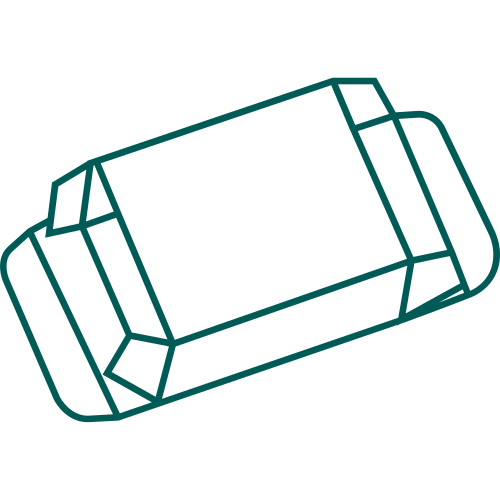





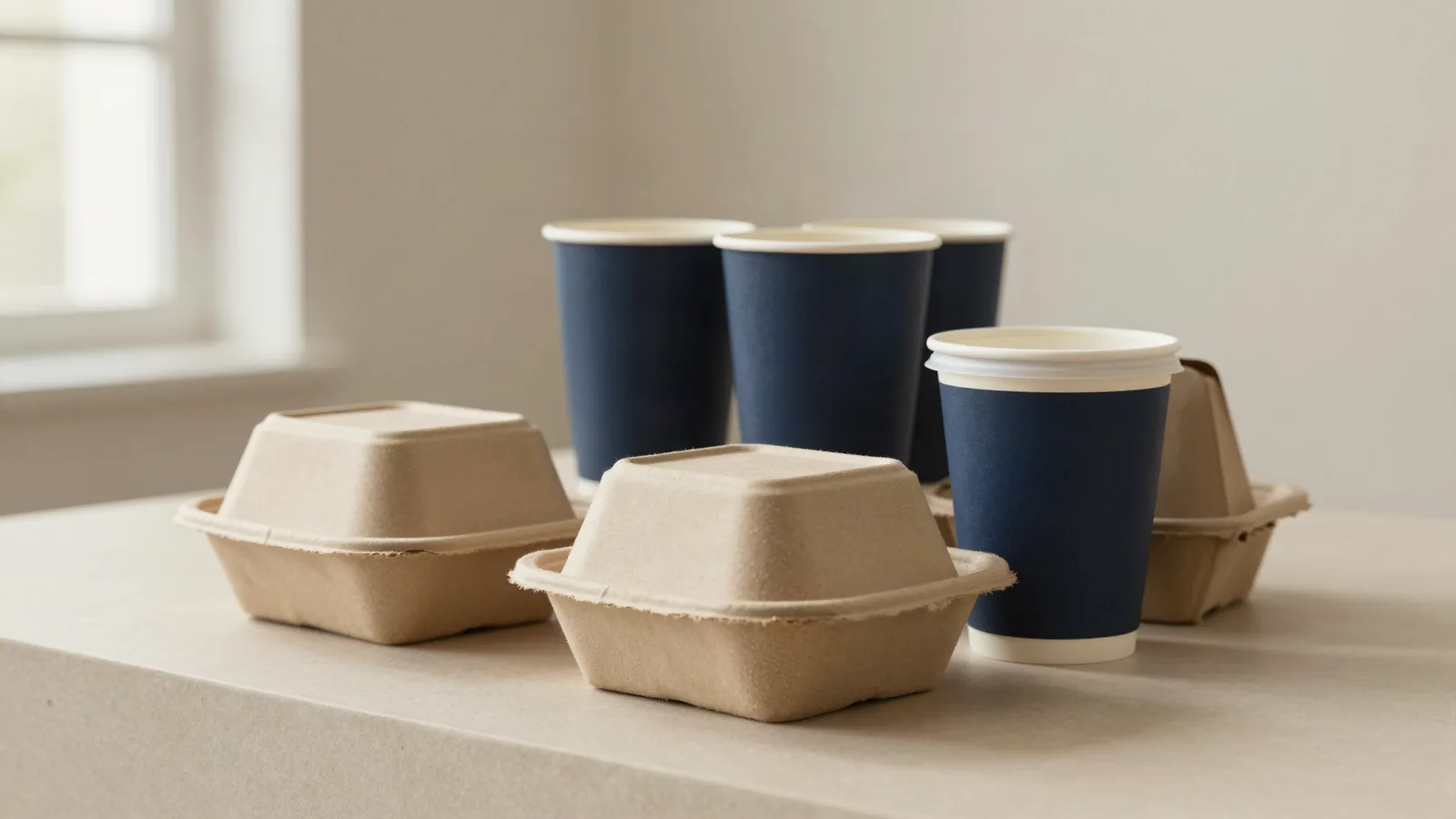



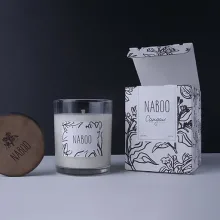








































A custom food box starts with the filled product, not the logo file. A dieline is the flat cutting template that shows panels, scores, cuts, glue tabs, and windows before the board is printed and cut. Send the product dimensions, packed orientation, opening style, and intended handling route. CPL's custom packaging solutions page is the hub for comparing box, paper, and flexible formats, but the quote should stay tied to the package in front of you.
Which custom food box structure fits the product?
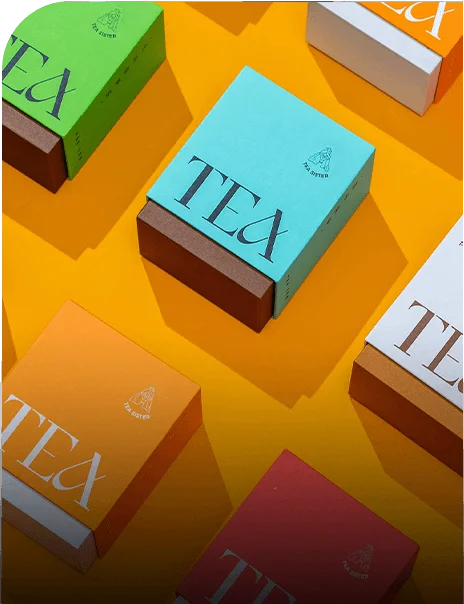
The closure and loading path usually narrow the choice faster than the artwork does. A straight tuck end keeps the top and bottom flaps familiar. A reverse tuck end changes the closure direction and panel order. An auto-lock bottom forms its base as the carton is set up, while a crash-lock base arrives pre-glued and opens into shape. A sleeve can wrap an inner tray, pouch, or carton when the outside print needs to change without changing the inner pack.
| Packaging job | Common structure | Material direction | Planning focus |
|---|---|---|---|
| Single item display | Straight tuck end or sleeve | SBS, C1S, or C2S paperboard | Front, side, and back panels |
| Assorted pieces | Auto-lock bottom or crash-lock | SBS or kraft board | Dividers, tray depth, and loading order |
| Take-home carrier | Gable or pillow format | Kraft board or paper | Carry point and top closure |
| Shipping outer | Mailer, roll end tuck top, or FEFCO 0427 | Corrugated E, B, or C flute, 32 ECT | Inside size and packed orientation |
Which materials are common for food boxes?
SBS gives a folding carton a smooth white print surface, while C1S and C2S describe paperboard with one or two coated sides. General carton references place SBS, C1S, and C2S paperboard in the 12 to 24 pt range. Kraft board in the 18 to 24 pt range has a different surface and visible fiber direction. The board choice changes fold behavior, color appearance, and stiffness.
Rigid presentation boxes use chipboard from 1.5 to 3 mm wrapped in 100 to 157 gsm art paper. That construction holds its shape without a fold, so it reads differently from a folding carton. Flexible formats use Mylar or foil laminates with PET, AL, and PE layers. PET can carry print or support the film, AL is the foil layer, and PE is commonly used on the seal-facing side. Ask us about food-contact options for your product before choosing a board, coating, adhesive, or film.
When does a window or insert make sense?
Use a PET window when sight of the product matters; use an insert when the product needs a controlled position. Window patches commonly use PET around 0.2 to 0.3 mm. Keep the patch clear of scores, seams, and glue areas, or the window can crease when the carton is folded. An insert can separate pieces or stop movement inside the box. Compare custom foam box inserts with a paperboard divider or formed tray after measuring the actual product.
What measurements should I send for a custom food box?
Write every box size as length x width x depth and label it as an inside or outside measurement. Include the product, tray, liner, closure direction, and loading clearance. About 1/16 in, or 1.5 mm, is a common tolerance reference for box planning, but board thickness, scores, folds, and the packed product still control the final fit. If the box ships inside another carton, send that outer size too.
How should I choose print and finish?
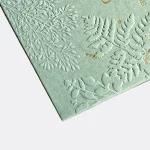
Offset CMYK is the common paperboard choice for detailed panels, digital printing fits short runs or artwork checks, and flexo is common on corrugated surfaces. Matte or gloss lamination changes sheen and surface feel. Soft-touch, spot UV, foil stamping, embossing, and debossing each need a marked location in the artwork. Low-resolution art can look soft, RGB art can shift when converted for press, and type set too close to a score can land on a fold. Leave bleed, glue flaps, window patches, and required copy clear in the digital proof.
Which catalog formats should I compare?
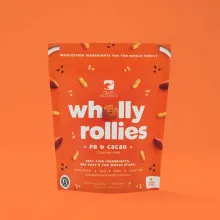
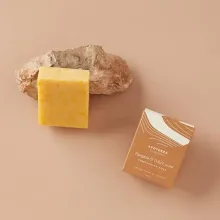
The right comparison follows the product job, not a generic food label. Custom food supplement boxes give a folding-carton reference. Custom food papers fit wrap and sheet applications. Custom Chinese food boxes show a carry-oriented structure, while custom Mylar food storage bags cover a flexible direction. State the product, structure, material, dimensions, artwork, finish, quantity, and destination in one quote brief.
For a project quoted to spec, use a 100-unit minimum. Pricing may be from $0.49 per unit at volume, quoted to spec. Production is typically 8 to 10 business days after proof approval, plus delivery. Free US shipping, free design support, and a free dieline are included. The $19.99 sample kit is credited to the first order. Send the filled product details to start the quote.
Frequently Asked Questions
Should box dimensions be inside or outside measurements?
Custom food box dimensions should be labeled as inside or outside measurements, written as length x width x depth. Inside measurements describe the space available to the product, while outside measurements include the board and folds. Send the packed product, tray, liner, and clearance with the dimensions so the dieline reflects the actual fit.
What does a PET window change on a food carton?
A PET window changes the front-panel cut, patch area, fold clearance, and glue layout on a food carton. PET around 0.2 to 0.3 mm is a common window reference. Keep the patch away from scores and seams, then show its position on the dieline so the assembled carton has the intended view.
What is the difference between auto-lock and crash-lock bottoms?
An auto-lock bottom forms its base as the carton is opened, while a crash-lock bottom is commonly pre-glued and folds into its final base shape. Both change the dieline, glue areas, packing sequence, and flat shipping footprint. Choose after the filled product and loading motion are known.
When should I use kraft instead of SBS paperboard?
Kraft board in the 18 to 24 pt range gives a visible fiber surface and a different fold and color direction from SBS. SBS, C1S, and C2S paperboard in the 12 to 24 pt range gives a smoother printed surface. Compare stiffness, print appearance, and fold behavior against the finished product.
What does Custom Packaging Lane need before drawing the dieline?
Custom Packaging Lane needs the product dimensions, packed orientation, closure direction, tray or insert details, desired material, artwork status, finish areas, quantity, and delivery destination before drawing the dieline. If the package may touch food, describe the contact surface and ask about food-contact options for the product.