






























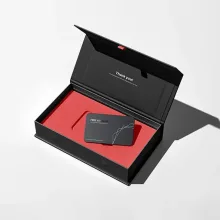

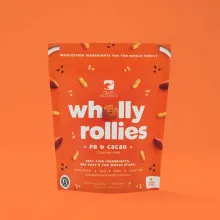


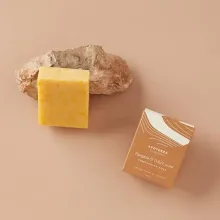


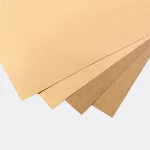

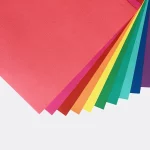



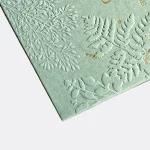































Wholesale food wrapping paper becomes easier to buy when the request names the finished format. A flat sheet, printed wrapper, sleeve, and paper bag each need a different cut, fold, seam, or glue step. Start with candy wrapping paper and custom food paper bags as catalog directions, then state what should arrive at the end of converting. For direct food-contact use, ask us about food-contact options for your product.
What arrives flat and what arrives converted?
The quote should name the point at which the paper is ready to pack. Converting is the cutting, folding, printing, laminating, or gluing that turns stock into a usable piece. Flat stock may be folded by a packing team. A converted wrapper has a seam and a defined wrap path. A paper bag adds an opening, side folds, and a bottom. A sleeve adds overlap around another container. The same artwork can need different preparation when the finished result changes.
Which paper format should I compare?
A flat sheet keeps the final fold in the packing operation, while a finished bag carries its own seams and base. Name the cut size, face, fold direction, repeat, and artwork area for a sheet. For a wrapper, show the wrap path, overlap, seam, and opening method. For a sleeve, give the panel order and closure. Paper bags wholesale is a useful comparison when the wrapping paper becomes a finished carry format.
| Format | Typical job | Specification to state |
|---|---|---|
| Flat sheet | Manual wrap, liner, or folded presentation | Cut size, face, fold direction, and artwork area |
| Printed wrapper | Close wrap around an individual item | Wrap path, overlap, seam, and opening method |
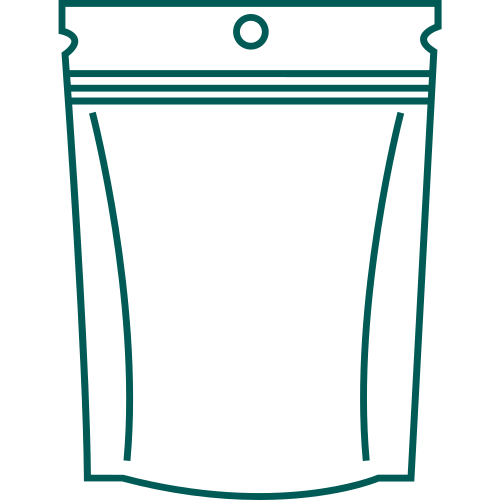
| Paper bag | Takeaway, counter sale, or gift carry | Opening, handle, bottom, and inside fit |
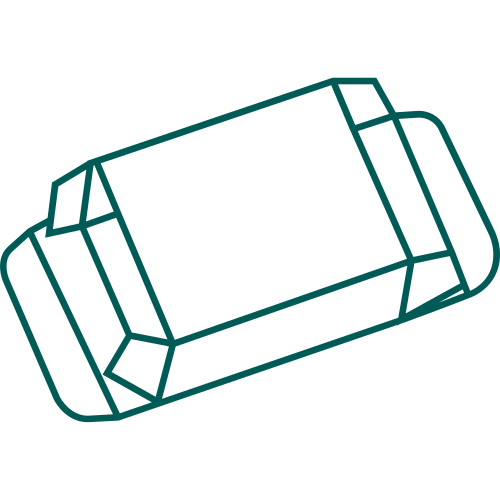
| Printed sleeve | Outer band around a container or bundle | Overlap, panel order, closure, and surface |
What is the difference between paper, board, and laminate?
Paper and paperboard are sheet materials; a laminate adds film layers to the construction. SBS means solid bleached sulfate. C1S has a coated face on one side, and C2S has coated faces on both sides. Those paperboards in the 12 to 24 pt range suit printed sleeves and cartons. Kraft board in the 18 to 24 pt range gives another surface direction. Mylar or foil laminate commonly uses PET, AL, and PE layers, which is different from a single paper stock. Non-woven polypropylene in the 80 to 120 gsm range belongs to a separate reusable bag direction. Name the substrate before deciding where the artwork should sit.
How do print and finish choices change the sheet?
Print coverage must follow the final fold, not the flat sheet alone. Offset CMYK is commonly used for detailed paperboard artwork. Digital printing can suit a short run or an artwork test. Flexo printing is commonly considered for corrugated surfaces when a wrapper is part of a larger shipper or bag system. Matte or gloss lamination changes the surface. Soft-touch changes the feel, while spot UV places a clear cured coating on selected areas. Foil stamping, embossing, and debossing need a defined panel and enough clearance from folds, seams, and glue areas. RGB art can shift when converted for press, and missing bleed can expose an unprinted edge after trimming. At a press check, inspect small type, solid ink coverage, and the seam against the approved proof.
What dimensions does a converter need?
For a finished bag, sleeve, or box, state length x width x depth and identify inside or outside measurements. About 1/16 in, or 1.5 mm, is a common packaging tolerance reference, but the contents, folds, seams, and closure still decide the working clearance. A flat sheet or roll request should state the cut direction, fold direction, repeat, and face that remains visible after conversion. If the finished package travels by US ground, a common dimensional-weight formula is L x W x H / 139. Keep the presentation dimensions separate from any outer carton dimensions.
Which catalog formats match a food wrapper?
Review printed paper bags when artwork coverage and bag construction need to be discussed together. Retail paper bags can frame a carry format, while paper cups give another printed food-service container reference. Candy wrapping paper and custom food paper bags above keep the discussion closer to flat or converted food formats. Treat each page as a structure reference. The actual quote should follow the intended paper, conversion method, contents, artwork, and delivery route.
What should a wholesale worksheet contain?
- Identify flat sheet, roll, wrapper, sleeve, bag, or another finished format.
- Provide the contents, wrap path, fold, seam, opening, and inside fit.
- State paperboard, kraft, laminate, or bag material preferences.
- Mark print face, repeat, coverage, logo panels, artwork status, and finish areas.
- Share the quantity, delivery destination, and any food-contact question before the proof.
We draw the dieline and send a digital proof before anything prints. CPL quotes food wrapping paper to spec from a 100-unit minimum. Pricing is from $0.49 per unit at volume, quoted to spec. Production is typically 8 to 10 business days after proof approval, plus delivery. Free US shipping, free design support, and a free dieline are included. The $19.99 sample kit is credited to the first order. For broader purchasing guidance, see wholesale custom packaging.
Frequently Asked Questions
How is a wrapper different from a flat sheet?
A flat sheet arrives ready for a packing team to fold or wrap, while a converted wrapper has a planned seam, overlap, and opening path. State the cut size, print face, fold or wrap direction, and finished use. The same artwork can need a different file when the sheet becomes a sleeve, bag, or wrapper.
What do PET, AL, and PE mean in a laminate?
PET, AL, and PE are separate layers in a laminate construction. PET is a polyester film, AL is aluminum, and PE is polyethylene. Together they create a film-based structure that behaves differently from paper stock during folding, sealing, and printing. State the intended finished format before choosing the layer construction.
Which print method fits paper wrapping?
Digital printing can suit a short run or an artwork test. Offset CMYK is commonly used for detailed paperboard artwork, while flexo printing is commonly considered for corrugated surfaces. The useful choice depends on the substrate, print coverage, repeat, artwork detail, and whether the paper remains flat or becomes a converted package.
How should I give dimensions for a finished bag?
Give the finished bag length, width, and depth, then identify which measurements are inside and which are outside. Include the opening, handle, bottom, side folds, seam, and contents. If the bag sits inside a shipping carton, provide the outer dimensions separately. The converter needs both the packed item and the final bag shape.
What should I ask about direct food contact?
Ask Custom Packaging Lane about food-contact options for your product when paper will touch a consumable. The useful brief names the item, contact point, paper or laminate, print, and finished format. Keep that product-specific question with the material and intended use so the packaging discussion stays tied to the actual application.