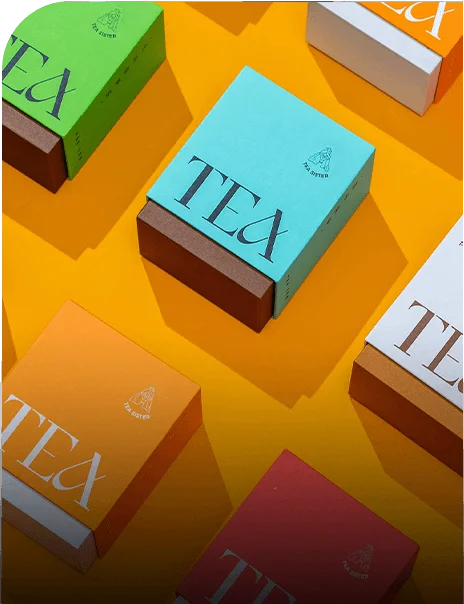






























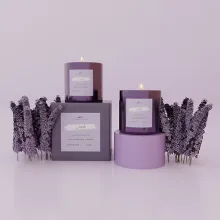




































Wholesale jewelry containers are specified as a system: container, insert, closure, artwork, and the way the customer receives the piece. A ring box does not have the same cavity as a necklace box, and a subscription mailer has a different opening and shipping job from a display box. Start with the jewelry type, piece count, interior arrangement, storage condition, and delivery path. Then compare formats against one consistent brief.
What should a wholesale jewelry container brief include?
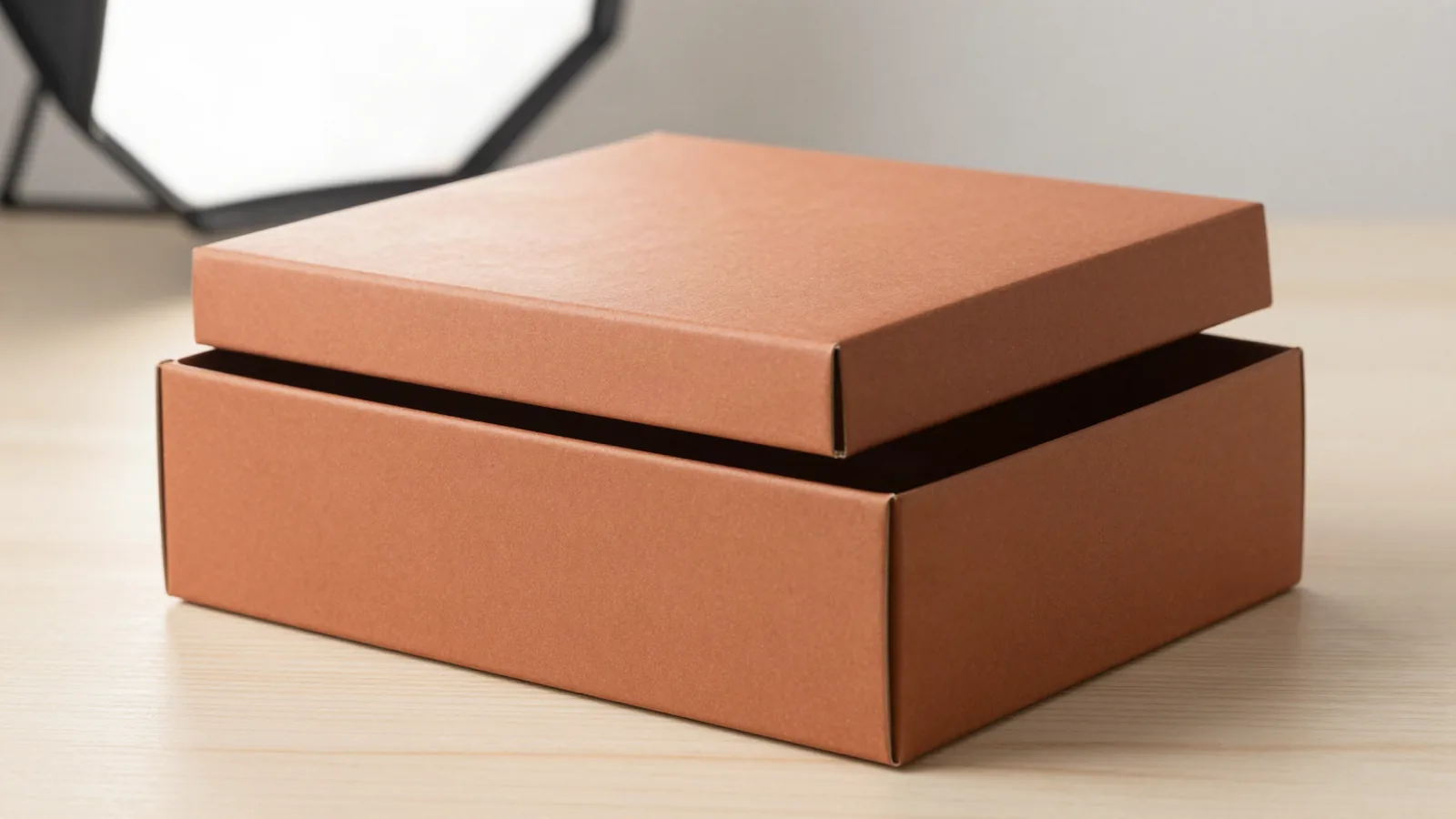
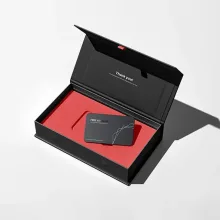
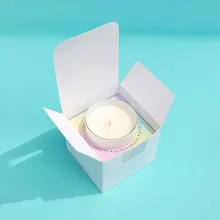
The open-box view is the first detail to record: state the jewelry type, piece count, insert layout, closure, and display angle. Add whether the package needs a sleeve, bag, or shipping outer. The jewelry display boxes page is a direct catalog reference. For a layered presentation, compare jewelry boxes with lid and tray with a folding format.
Which materials are common for jewelry containers?
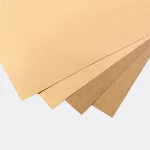
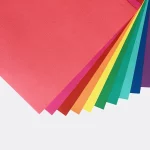
Chipboard is the dense board core used in rigid jewelry boxes, and printed paper wraps the outside. A typical rigid range is 1.5 to 3 mm chipboard with 100 to 157 gsm art paper. Folding cartons commonly use SBS, C1S, or C2S paperboard in the 12 to 24 pt range. Kraft board in the 18 to 24 pt range has a different surface. Treat these as general industry ranges, then check the closure, insert, display position, and shipping scope against the chosen material.
| Container direction | Common structure | What to settle |
|---|---|---|
| Presentation box | Two-piece rigid | How should the lid reveal the jewelry? |
| Hinged opening | Magnetic flap | Where should the closure and logo align? |
| Layered reveal | Drawer or slide | What should the customer see first? |
| Lightweight branded pack | Sleeve or folding carton | Does the inner holder supply the support? |
How should the insert and interior be planned?
The insert is the shaped internal part that holds jewelry in its display position. Ring slots, earring cards, necklace channels, and accessory cavities need different layouts. State the insert material, surface, color, cavity pattern, and contact points with the box wall. The jewelry boxes with inserts page gives a real catalog direction. Make the insert a named line in the quote and proof, so it is not an assumption hidden inside the container.
How should a wholesale jewelry box be printed?
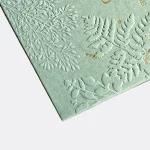
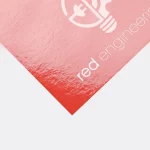
Offset CMYK suits detailed paperboard or wrapped art-paper graphics. Digital printing is often considered for short runs or an early artwork check. Matte and gloss lamination change the general surface sheen. Soft-touch changes the tactile feel. Spot UV isolates a selected graphic area, while foil stamping, embossing, and debossing create other surface effects. Decide whether the logo belongs on the lid, tray, sleeve, insert, or shipping piece. Keep the closure line, fold area, magnet location, and interior reveal clear in the artwork file. A digital proof should show the panel order before printing.
How should jewelry container dimensions be recorded?
Length x width x depth keeps the drawing readable, with inside measurements used for the jewelry and insert. Measure the piece, protective wrap, and card in their actual packing positions. About 1/16 in, or 1.5 mm, is a common planning tolerance. Record the closed size and open display position separately. This catches the case where the outside dimensions look right but the insert, lid, or tray changes how the product sits.
Should I compare rigid boxes with kraft jewelry packaging?
Rigid chipboard holds its shape, while a folding kraft carton bends at scored panels and presents a different paper surface. Compare custom kraft jewelry boxes when the board surface is part of the brand direction. For a thicker presentation format, compare custom jewelry rigid boxes. Keep the jewelry piece, insert, closure, artwork coverage, finish, quantity, and delivery assumptions unchanged so the format comparison stays useful.
What should I send for a wholesale quote?
A quote becomes usable when it names the jewelry, interior arrangement, structure, and delivery route.
- Identify the jewelry type, piece count, and interior arrangement.
- Provide the physical item, drawing, or dependable inside measurements.
- Name the box, sleeve, bag, insert, and closure direction.
- Mark the logo panels, print coverage, and finish treatments.
- Share the planned quantity and delivery location.
What ordering terms should I plan around?
Send the jewelry dimensions, structure, insert, artwork, and delivery location for a quote from a 100-unit minimum. Pricing is from $0.49 per unit at volume, quoted to spec. Production is typically 8 to 10 business days after proof approval, plus delivery. Free US shipping, free design support, and a free dieline support preparation. The $19.99 sample kit is credited to the first order. For wholesale planning across formats, see wholesale custom packaging.
Frequently Asked Questions
What is the difference between a jewelry display box and a jewelry container?
A jewelry display box is planned around presentation, lid reveal, and the visible position of the piece. A broader jewelry container brief can include sleeves, bags, inserts, subscription packaging, or a shipping outer. State the jewelry type, insert, closure, display angle, and delivery path first, then choose the format.
What rigid board range is common for jewelry boxes?
Rigid jewelry boxes commonly use 1.5 to 3 mm chipboard wrapped in 100 to 157 gsm art paper. Folding formats may use SBS, C1S, or C2S paperboard in the 12 to 24 pt range. Kraft board in the 18 to 24 pt range has a different surface. The insert, closure, dimensions, artwork, and finish complete the specification.
How do I plan an insert for rings or necklaces?
Start with the actual jewelry piece and decide how it should sit when the box opens. Ring slots, earring cards, and necklace channels need different cavity layouts. Provide the insert material, surface, color, and spacing as part of the brief. Check the insert against the closed lid, tray, sleeve, and customer-facing display position.
Which finishes suit a branded jewelry container?
Matte or gloss lamination sets the general surface, while soft-touch changes the tactile feel. Spot UV can isolate a small graphic area. Foil stamping, embossing, and debossing create other focal points. Select the finish after the logo location, closure, insert, and artwork coverage are set, because each treatment needs clear space on the structure.
What should a wholesale jewelry packaging quote contain?
A wholesale jewelry packaging quote should name the jewelry piece, quantity per container, insert, closure, material, dimensions, artwork coverage, finish, planned quantity, and delivery location. Include a physical sample or dependable drawing when possible. If several formats are compared, keep the jewelry arrangement and artwork scope consistent so the difference comes from the containers.