








































































Wholesale jewellery packaging starts with the pieces going inside the box. A ring, pendant, earring pair, bracelet, or gift set changes the insert, cavity, opening, and space needed for a card. Put those details into the brief before choosing a named structure. Custom Packaging Lane can quote the box, board, print, finish, insert, and packing method against the same item brief.
What should a jewellery box wholesale brief define first?
The packing sequence is the first useful line in the brief: state what goes into the box, how it is positioned, and what the customer sees when the lid opens. Record whether the package holds one piece, a pair, a set, or a piece with a card. Note whether boxes are stored flat, filled at a packing station, handed over in a shop, or shipped. Keep shared dimensions and artwork panels consistent across variations, then mark the changes.
Which structure fits a jewellery presentation?
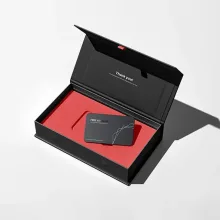
Opening motion decides where the insert, logo panel, and closure can go. A two-piece rigid box has a separate base and lid. A magnetic flap is hinged. A drawer or slide pulls an inner component through a sleeve. A folding carton stays as a lightweight paperboard format.
| Structure | What it changes | Question to settle |
|---|---|---|
| Two-piece rigid | Separate base and lid | How much lid lift does the jewellery need? |
| Magnetic flap | Hinged opening with a closing flap | Where do the flap, magnet area, and brand panel align? |
| Drawer or slide | Sleeve around a sliding inner part | What pull clearance does the insert need? |
| Folding carton | Lightweight paperboard construction | Which panel carries the item name and opening instruction? |
Which materials are common for wholesale jewellery boxes?
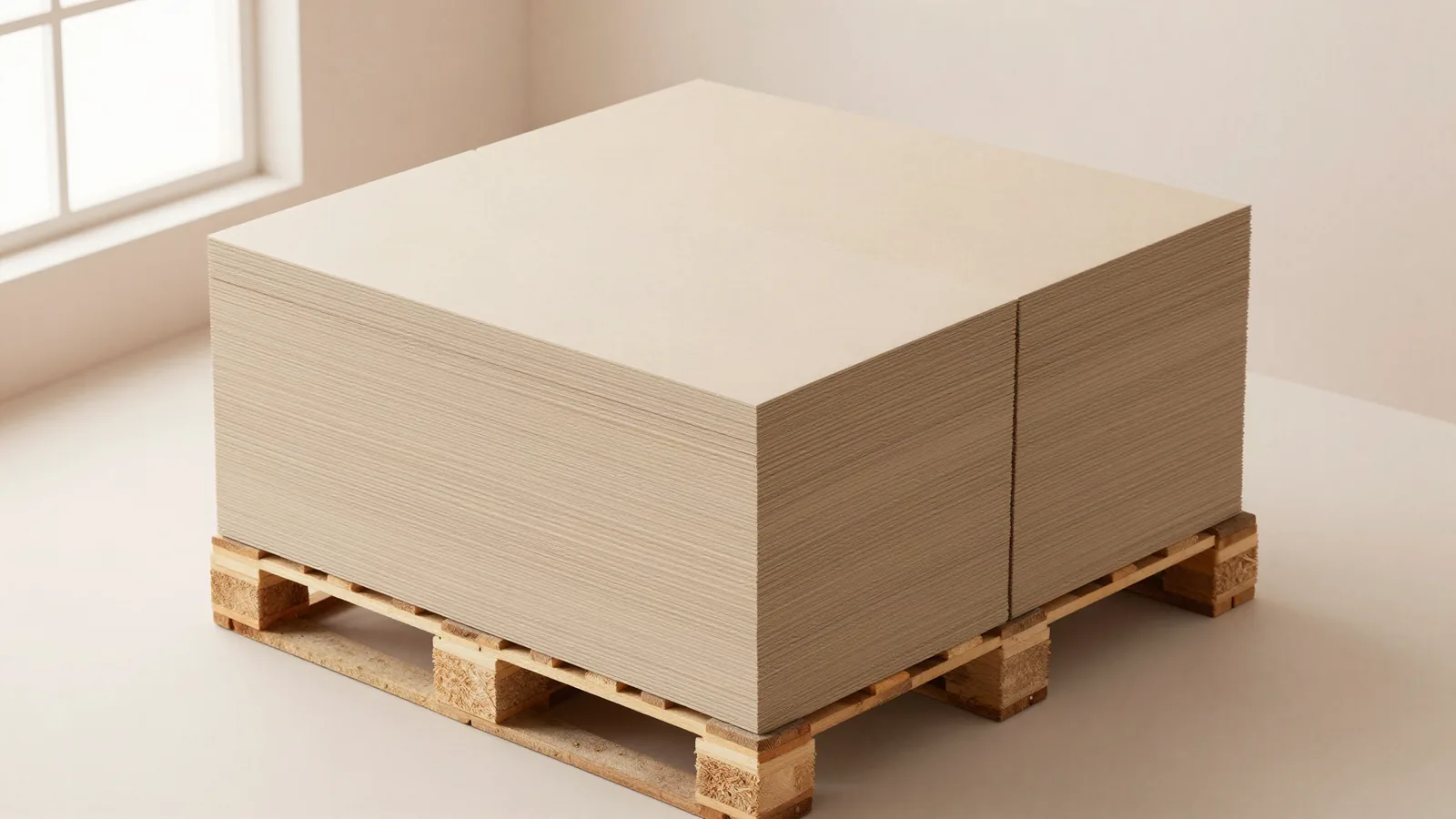
Chipboard is the dense board core used in rigid boxes, and printed paper wraps the outside. A typical chipboard range is 1.5 to 3 mm, with 100 to 157 gsm art paper as the wrap. Folding cartons commonly use SBS, C1S, or C2S paperboard in the 12 to 24 pt range. Kraft board in the 18 to 24 pt range has a different surface. These are general industry ranges, not a promise about a specific run.
How do inserts change the jewellery box specification?
An insert is the shaped internal part that holds jewellery in a defined position. Ring slots, earring cards, necklace channels, and accessory cavities each need a different cut pattern and removal method. Give the item dimensions, orientation, visible detail, insert material, and surface. Write box dimensions as length x width x depth, using inside measurements for the item and insert. About 1/16 in, or 1.5 mm, is a common planning tolerance. The actual piece and insert control the final clearance. See custom foam box inserts when internal positioning is central to the request.
Should I compare jewellery boxes with tins or larger cartons?
Switch formats when the storage or presentation job changes. An embossed metal box has a different closure and printable surface from a paperboard box, while a larger carton can group pieces or hold a presentation card. Compare embossed tin boxes, shoe box packaging, and wine box packaging as catalog references for decorated metal, structured openings, and larger cavities. Their dimensions are not a match for a jewellery piece by default.
Which print and finish choices suit a jewellery collection?
Offset CMYK is a common starting point for detailed paperboard artwork, while digital printing is often considered for a short run or a collection test. Matte and gloss lamination change surface sheen. Soft-touch changes the tactile feel. Spot UV isolates a mark or pattern. Foil stamping, embossing, and debossing need clear placement on flat panels. Keep the collection name, item identifier, care text, and opening panel away from scores, seams, glue areas, and the insert cut line. A digital proof should show the artwork and finish map before printing.
How should wholesale jewellery packaging handle shipping?
The presentation box and the outer shipper should be specified separately. Corrugated packaging uses flutes, which are the wave-shaped layers that add thickness and stacking strength. E, B, and C flutes are common choices, and 32 ECT is a common board reference for shipping applications. Carrier dimensional weight for US ground uses L x W x H / 139. Record whether the jewellery boxes ship flat, assembled, nested, or inside a master shipper, because that changes storage and the packing sequence.
What should I include in a wholesale quote request?
A useful quote ties the jewellery to its insert, structure, artwork, quantity, and delivery route.
- List the jewellery forms, item dimensions, orientation, and any card or accessory inside the package.
- Group variations by shared box size, insert pattern, closure, and artwork treatment.
- Choose a folding carton, rigid box, magnetic flap, drawer, slide, or tin direction.
- Mark branding panels, item identifiers, folds, seams, glue areas, insert boundaries, and finish zones.
- Share the quantity, delivery destination, artwork status, and whether an outer shipper is required.
How do I start a wholesale jewellery box project?
Send the item dimensions and structure together for a quote from a 100-unit minimum. Pricing is from $0.49 per unit at volume, quoted to spec. Production is typically 8 to 10 business days after proof approval, plus delivery. Free US shipping, free design support, and a free dieline support preparation. The $19.99 sample kit is credited to the first order. For quantity-led packaging planning, see wholesale custom packaging.
Frequently Asked Questions
What makes jewellery box wholesale different from a single custom box?
Jewellery box wholesale means the package must repeat across a defined item group or collection. The brief should separate shared dimensions, inserts, closures, and artwork panels from the variations. It should also state the packing sequence and delivery method, because a presentation box filled by hand has different requirements from a box shipped flat.
Which structure is best for a jewellery gift box?
A two-piece rigid jewellery box uses a separate base and lid, while a magnetic flap uses a hinged closing panel. A drawer or slide creates a pull-out opening, and a folding carton uses lightweight paperboard. Choose by the opening motion, insert, item size, storage condition, artwork space, and handover method.
What board range is common for jewellery packaging?
Jewellery folding cartons commonly use SBS, C1S, or C2S paperboard in the 12 to 24 pt range. Rigid jewellery boxes commonly use 1.5 to 3 mm chipboard wrapped in 100 to 157 gsm art paper. Kraft board in the 18 to 24 pt range is another general industry range with a different surface.
How should I measure jewellery box dimensions?
Measure the jewellery, insert, card, and pouch in the position used during packing. Record inside length, width, and depth, then state the lid or drawer clearance needed for removal. About 1/16 in, or 1.5 mm, is a common planning tolerance, but the piece, insert, and closure determine the final fit.
Can jewellery packaging include foil or embossing?
Jewellery packaging can include foil stamping, embossing, debossing, spot UV, matte lamination, gloss lamination, or soft-touch when the artwork area supports the effect. Mark each finish on the proof and keep it away from folds, seams, glue areas, and insert boundaries. The finish map should cover the lid, base, sleeve, or flap panels.