









































































A custom high barrier medical vacuum bag is a flexible package planned around the product, vacuum process, seal area, handling route, and any secondary carton or insert. High barrier describes a laminate that limits passage through the film. Vacuum packaging removes air before sealing. A dieline is the flat cutting template for the bag or outer carton. Start with the product shape, edges, equipment, and handling route, then ask about material and product-contact options.
What does high barrier mean in a medical vacuum bag?
High barrier describes film construction, not the whole package specification. The laminate must match the product surface, vacuum equipment, seal method, storage condition, and handling path. The bag needs open area for filling and seal area for closure. Describe edges, corners, weight, orientation, and puncture risks before the dieline is prepared.
Which laminate layers are common for a high barrier bag?
PET, AL, and PE each have a distinct place in a common layered-film reference. PET is often the outer print or support layer, AL is the foil layer, and PE is commonly the seal-facing layer. Mylar or foil laminates can use these layers in a defined order, but the order must follow the product surface, equipment, seal requirements, and handling conditions. A material label alone does not describe the finished bag.
Which bag format should I compare?
The product footprint and the way the open bag enters the vacuum equipment determine the first format comparison. A flat vacuum bag suits a compact footprint. A gusseted vacuum bag adds depth for a shaped product. A foam insert can separate the product from the film, and a bag inside a carton separates the flexible seal from the printed outside presentation.
| Format | Common packaging use | Planning question |
|---|---|---|
| Flat vacuum bag | Flexible package for a compact product footprint | Can the product lie flat without stressing the seal? |
| Gusseted vacuum bag | Bag with added depth for a shaped product | Does the product need room at the sides or base? |
| Bag with foam insert | Vacuum bag paired with internal positioning support | Will the product need separation from edges or accessories? |
| Bag inside a carton | Flexible inner package with a printed outer presentation | Which package carries the information and opening sequence? |
What must the vacuum process account for?
The open end, fill sequence, vacuum draw, seal position, and product stop line set the working area. Keep sharp edges, corners, ports, caps, labels, and accessories away from places that could puncture or distort the film. Leave a clean closure area, and describe how the operator or machine presents the open end before the bag is sized.
What measurements should go on the bag brief?
Record product length, width, height, orientation, vacuum space, open fill area, and seal area. State whether each measurement describes the product, filled bag, or outer carton. For a box, write length x width x depth using inside measurements. About 1/16 in, or 1.5 mm, is a common planning tolerance, but the handling method controls actual clearance.
Would a foam insert or carton help?
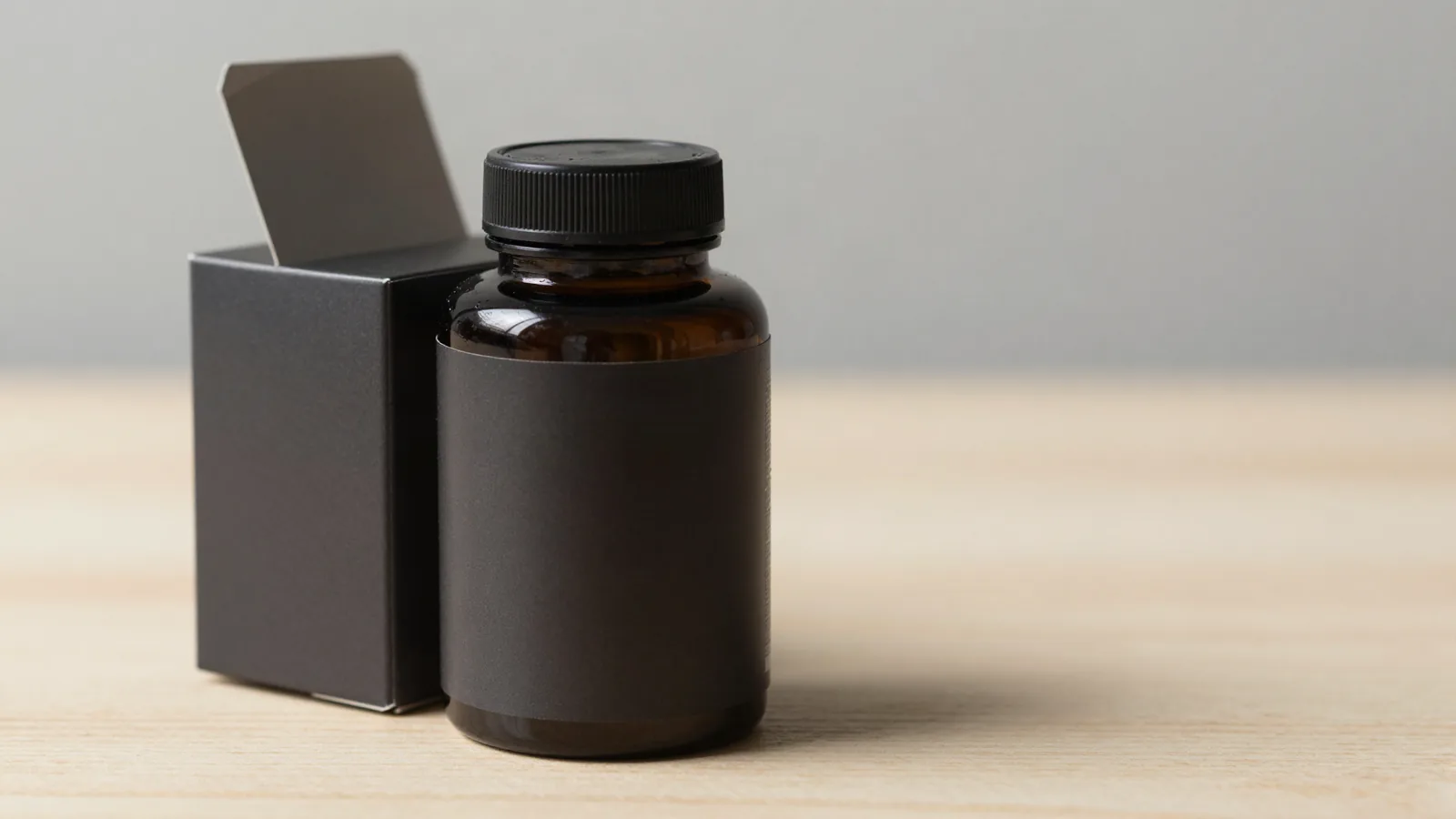
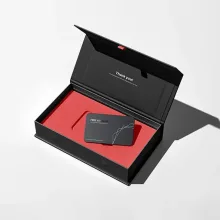
A secondary carton or insert can control presentation, separation, and movement after sealing. Draw the insert around the sealed bag and accessories, with room for removal. Compare custom Mylar vacuum seal bags for the flexible package, custom foam box inserts for cavity planning, and custom vial boxes for a contained presentation. Custom veterinary medicine boxes give another catalog reference for a medicine-related format. The product, process, insert, artwork, and handling route set the specification.
Where should print and finish areas go?
Digital printing can suit a short run or artwork test, while the final process should follow the laminate, print coverage, quantity, and color requirements. Matte or gloss treatments change sheen. Keep small text away from seals, folds, tear features, and areas covered by a box or insert. Mark usable panels, label fields, and seal exclusions on the dieline. Low-resolution art, RGB color shifts, missing bleed, and type too close to a fold are easier to catch in the digital proof than after printing.
What should the outer shipper account for?
Corrugated outer packaging commonly uses E, B, or C flutes, with 32 ECT as a common board reference for shipping applications. Separate the sealed bag fit from the shipper, then calculate US ground carrier dimensional weight as L x W x H / 139. The packed bag, carton, insert, and orientation should set the outer dimensions.
What belongs in a medical vacuum bag quote request?
The job brief should name the product surface, edges, orientation, accessories, handling route, vacuum equipment, seal method, open fill area, vacuum area, seal area, laminate direction, artwork panels, label fields, tear features, folds, seal exclusions, quantity, destination, and product-contact questions.
- Send product dimensions and a drawing or physical component.
- Mark the open end, vacuum zone, seal zone, folds, tears, and label areas.
- State whether the format is flat, gusseted, paired with an insert, or inside a carton.
- Separate flexible-bag artwork from carton artwork.
- Check the digital proof against the filled and sealed package.
For a high barrier vacuum bag quoted to spec, use a 100-unit minimum. Pricing may be from $0.49 per unit at volume, quoted to spec. Production is typically 8 to 10 business days after proof approval, plus delivery. Free US shipping, free design support, and a free dieline are included. The $19.99 sample kit is credited to the first order. For a broader format comparison, use custom packaging solutions. Send the product and process details to start the quote.
Frequently Asked Questions
Does high barrier describe the whole vacuum bag?
High barrier describes the selected film construction, not the whole vacuum bag. The finished specification also includes the product footprint, laminate order, open fill area, vacuum draw, seal area, equipment, storage condition, and handling route. PET, AL, and PE are common layered-film references, but the product brief controls the final arrangement.
How should sharp edges be handled in a vacuum bag brief?
Sharp edges, corners, ports, caps, labels, and accessories should be marked before a custom vacuum bag is sized because they can puncture or distort film near the vacuum and seal zones. Send the product orientation and handling motion, then keep the closure area clear. A physical component or accurate drawing is useful for this review.
What is the difference between a flat and gusseted vacuum bag?
A flat vacuum bag is planned around a compact product footprint, while a gusseted vacuum bag adds depth at the sides or base for a shaped product. The choice changes the cut pattern, open area, seal placement, vacuum draw, and outer carton fit. Decide from the filled product, not an empty bag silhouette.
Can a sealed vacuum bag use a foam insert?
A sealed vacuum bag can be paired with a foam insert when the package needs separation from edges, a cavity for the product, or space for accessories. Draw the insert around the sealed bag, not the unfilled film. State the removal direction and the outer carton dimensions so the fit works after sealing.
What should the outer carton carry for a vacuum bag?
The outer carton can carry the printed presentation and information while the vacuum bag carries the flexible sealed package. State which package carries labels, instructions, identifiers, and opening information. If the carton uses corrugated board, E, B, or C flute and a 32 ECT reference should be checked with the packed bag and insert.