

















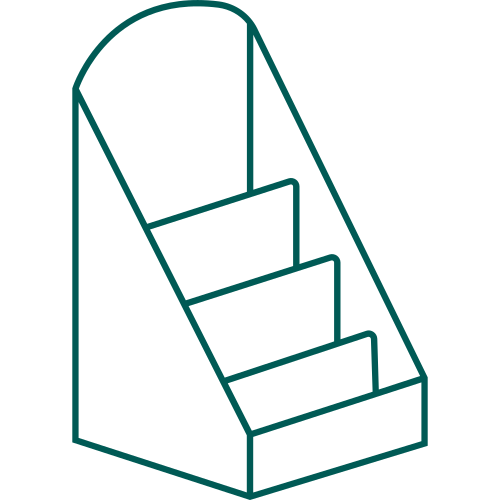

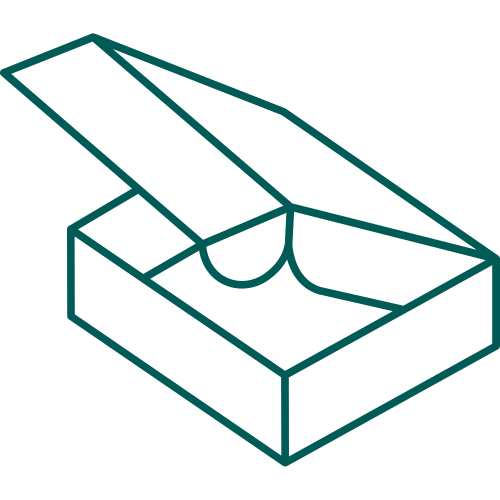
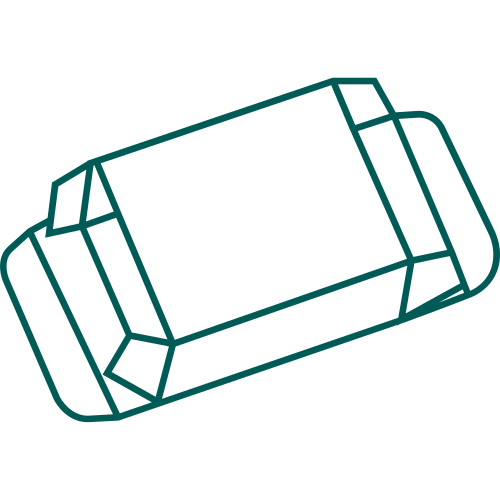





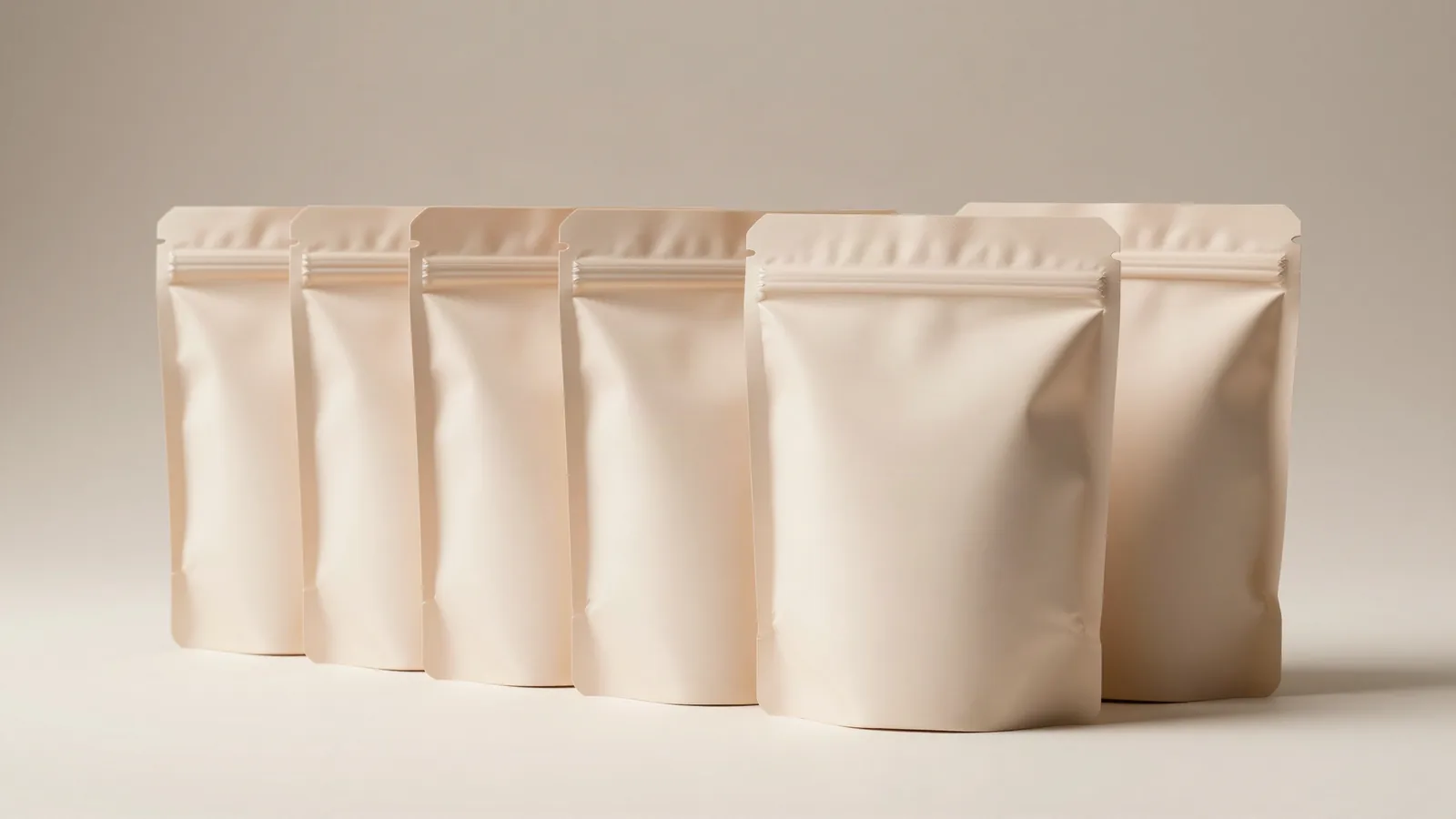



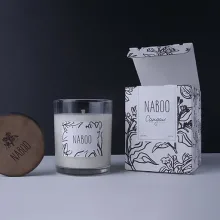
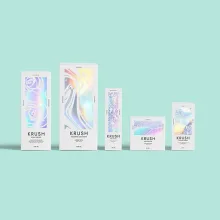
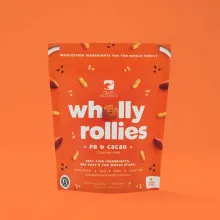
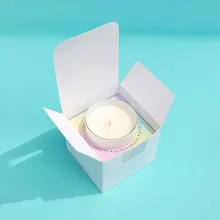


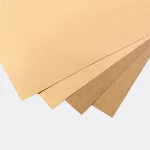


































A custom food pouch is a flexible package sealed around a defined fill. Its width, base, laminate, closure, and seal areas come from the filled product, not the empty silhouette. A stand-up pouch may face forward on a shelf, while a zipper pouch may need a repeatable opening path. Compare custom stand-up pouches, custom Mylar food storage bags, and zipper pouches against the actual fill. Custom food papers fit a wrap or sheet job when a sealed pouch is not the right format.
Which food pouch format fits the product?
A stand-up pouch needs a stable base, while a zipper pouch needs a repeatable opening path. A flat bag may fit a compact fill. A paper food bag changes the fold, print surface, and inner package. A box and pouch combination separates flexible product containment from a rigid outside presentation. Choose after recording the fill arrangement, headspace, display position, and opening frequency.
| Format | Common use | Planning focus |
|---|---|---|
| Stand-up pouch | Display-oriented flexible package | Width, base, fill, closure, and shelf position |
| Zipper pouch | Repeat access after opening | Zipper placement, seal area, and opening path |
| Mylar food storage bag | Flexible bag for a defined filled product | Layer direction, artwork, seal, and storage format |
| Paper food bag | Wrap or bag presentation | Bag shape, fold, print surface, and inner package |
| Box and pouch combination | Flexible inner pack with an outer presentation | Inside fit, display view, and separate artwork files |
How do laminate layers affect a pouch?
PET, AL, and PE do different jobs in a laminate, and the order controls print, opacity, fold behavior, and sealing. PET is commonly the outer support or print surface. AL is the foil layer. PE is commonly the seal-facing layer. A metallized Mylar construction uses a thin metal layer to limit light and gas passage, while a foil laminate uses aluminum foil as its barrier layer. The product, fill, closure, and intended storage format decide which layer direction belongs in the brief. Ask us about food-contact options for your product.
How wide is a typical stand-up pouch?
The usable starting range is 3 to 7.5 in for a typical stand-up pouch. Treat that range as a starting reference, not a finished size. The filled product, gusset, base, headspace, closure, seal area, and front display all change the cut width. Send the filled product or a reliable drawing, then state whether the pouch stands, lays flat, hangs, or sits inside a box.
What has to be marked on the seal?
The seal plan decides where the pouch can be filled, closed, torn, and printed. Mark the zipper or other closure, top seal, bottom seal, side seals, tear area, notch, and any window on the dieline. Keep important copy away from the seal and opening path. If the pouch goes inside a display tray or box, show both packages so the opening stays accessible and the front panel remains visible.
Which print and finish choices suit flexible film?
Digital printing fits a short run or artwork test, while offset CMYK is a common reference for detailed paperboard used around a pouch. Matte or gloss surface directions change sheen and glare. Spot UV and foil stamping need defined zones. Embossing and debossing are more dependent on the structure than they are on a flat carton panel. Mark print coverage, colors, white areas, transparent areas, closures, seams, and windows in separate artwork layers. Low-resolution art and RGB files can create problems when color is converted for press.
Should a pouch sit inside a box or paper bag?
A pouch belongs inside an outer package when the product needs flexible containment plus a separate display panel or added structure. A paper bag changes the fold and carry behavior. A folding carton gives rigid panels and a defined opening. Compare custom food paper bags with custom food supplement boxes when the package may be flexible, paper based, rigid, or a combination. Keep the inside fit tied to the filled pouch, including the zipper, seals, and any gusset.
What belongs in a pouch quote request?
The filled product and its opening path are the first fields in a useful quote brief. Name the arrangement, headspace, display position, opening frequency, pouch format, closure, seal areas, laminate layers, print coverage, artwork versions, finish areas, windows, quantity, and destination. State whether the package will stand, hang, lay flat, or sit inside another pack. If the pouch relates to food, ask about food-contact options for the product.
- Send the filled product or a drawing with length, width, and height.
- Mark the front panel, zipper, tear feature, seal exclusions, and clear areas.
- Separate the flexible pouch artwork from any box or paper-bag artwork.
- Check the digital proof against the opened and filled position, not only the flat file.
For a pouch project quoted to spec, use a 100-unit minimum. Pricing may be from $0.49 per unit at volume, quoted to spec. Production is typically 8 to 10 business days after proof approval, plus delivery. Free US shipping, free design support, and a free dieline are included. The $19.99 sample kit is credited to the first order. For a smaller business packaging route, see custom packaging for small business. Send the filled format to start the quote.
Frequently Asked Questions
Does a stand-up pouch need a gusset?
A stand-up pouch needs a formed base that gives the filled package a stable footprint; that base may use a bottom gusset or another shaped construction. Width alone does not set the result. Send the fill arrangement, headspace, closure, seal area, and intended shelf position so the base can be planned around the actual contents.
What does AL do in a pouch laminate?
AL is the aluminum layer in a foil laminate, and it adds an opaque barrier direction that differs from a clear film construction. PET commonly supports print or the outer film, while PE commonly faces the seal. The product, closure, storage format, and intended contact surfaces should decide the layer order.
Where should the zipper sit on a custom pouch?
The zipper should sit below the top seal and above the filled product's highest point, with enough film left for the opening and closure path. The exact position depends on the pouch width, fill height, headspace, tear feature, and front artwork. Mark the zipper, seal, and opening path separately on the dieline.
Can a custom food pouch have a clear window?
A custom food pouch can use a marked transparent area when the package needs product visibility, but the clear area changes the print file and layer plan. Show the window, white ink or opaque areas, seals, zipper, and tear feature separately. Ask about food-contact options for the product before selecting the film construction.
What artwork mistakes cause pouch problems?
Common pouch artwork problems include low-resolution images, RGB color shifts after press conversion, copy placed over a seal, missing white areas, and windows that cross a closure or seam. Separate printed, clear, and excluded areas in the file. A digital proof should be checked against the filled pouch and its opening path.