




























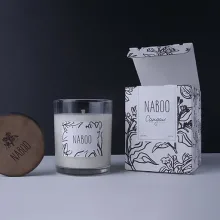

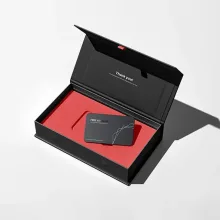





































A chocolate dipped strawberries box starts with the fruit arrangement, not the outside label. A cavity layout is the top and side view of each space where a strawberry sits. An insert is the separate piece that creates those spaces and keeps the fruit from sliding into one another. Draw the insert and outer box as one package.
What should the box show when it opens?
A separated cavity layout keeps each strawberry in a planned position, so the first view matches the gift arrangement. Decide whether the recipient sees the full assortment at once or finds it beneath a lid, flap, tray, or sleeve. Record stem direction, topping height, card location, inner wrap, and the order of the pieces. A shared tray creates one composition; separate wells give each piece its own position.
Which structure suits the fruit presentation?
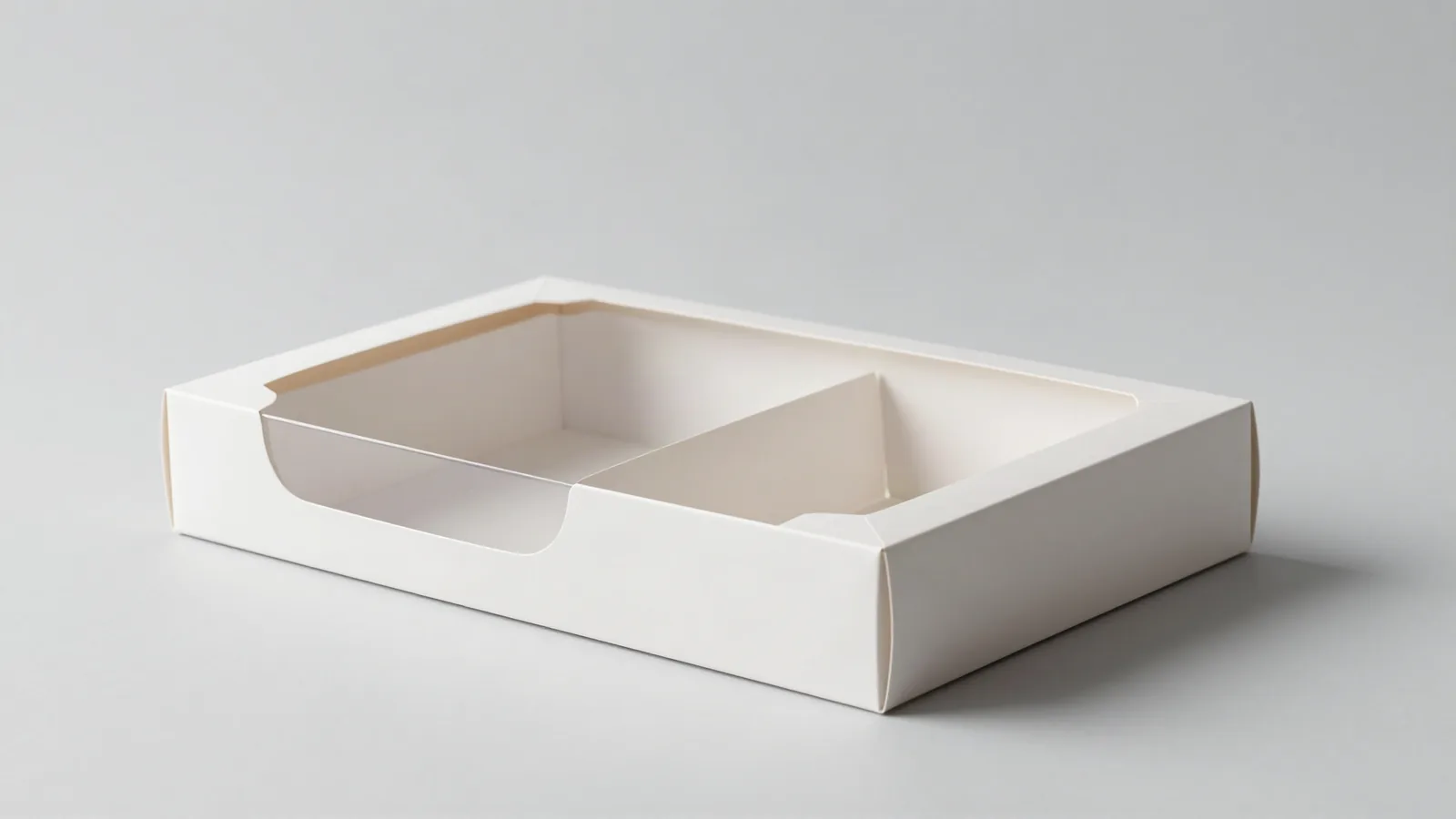
A window carton shows the assortment before opening; a rigid box separates lid and base for the reveal.
| Structure | Presentation direction | Fit question |
|---|---|---|
| Window folding carton | Visible assortment under a clear panel | Where should the window meet the fruit layout? |
| Two-piece rigid box | Separate lid and base for a reveal | How high can the insert sit below the lid? |
| Drawer or slide box | Tray movement through a sleeve | Which pull direction keeps the cavities aligned? |
| Tin presentation | Different container and reusable gift direction | How will the closure and insert work together? |
Compare chocolate tin boxes when the container is part of the gift direction. Custom foam box inserts give another cavity reference, and wine box packaging shows a gift-oriented opening. These are format references. Fruit arrangement, topping clearance, and opening path set the package.
How should I draw the insert around the fruit?
The insert should follow the widest fruit point, topping height, stem direction, and space between pieces. Draw the actual strawberries from above and from the side. Mark the card and inner wrap, then check how the insert meets the base and how the lid or window sits above it. If the assortment changes, show the largest and smallest packouts for checking. Do not add the insert after the outer structure is chosen.
Which materials fit a strawberry gift box?
Folding carton stock and rigid chipboard solve different structural jobs. SBS, C1S, or C2S paperboard commonly falls in the 12 to 24 pt range. Kraft board commonly falls in the 18 to 24 pt range. Rigid chipboard, a dense board core, commonly falls in the 1.5 to 3 mm range and can be wrapped in 100 to 157 gsm art paper. Mylar, a polyester film reference, and foil laminates can use PET, AL, and PE layers. For direct product contact, ask us about food-contact options.
Does a clear window change the package plan?
A PET window shows the fruit before opening, but reduces printed panel area. PET is polyethylene terephthalate, a clear film commonly used for package windows. PET windows commonly fall in the 0.2 to 0.3 mm range. Show the fruit arrangement beneath the clear panel on the dieline. Then check the artwork frame, patching edge, fold lines, lid clearance, and topping visibility. A closed face gives the artwork more control. A window makes the assortment part of the exterior presentation.
Which print and finish choices fit a chocolate gift?
Matte lamination reduces sheen; gloss reflects more light. Offset CMYK suits detailed artwork; digital printing can suit a short-run check. Soft-touch changes feel. Spot UV, foil stamping, embossing, and debossing can focus attention on a logo, message, or gift panel. Keep the cavity map, window, lid, seam, fold, and information areas separate in the artwork. Check ink coverage and type near scores before the proof is approved.
How should I document the finished fit?
Inside length x width x depth is the usable measurement for the fruit, insert, card, and inner wrap. About 1/16 in, or 1.5 mm, is a common packaging tolerance reference, but clearance depends on the arrangement, topping, insert height, lid, and closure. Document the outer shipping package separately when the box travels. Test the closed box with the actual fruit arrangement before approval.
Which CPL products can I compare?
Start with chocolate covered strawberries boxes, then compare chocolate tin boxes, custom foam box inserts, and wine box packaging. Supply the fruit, cavity map, topping height, insert, artwork, and opening test for the quote.
What belongs in the strawberry box brief?
The first line should name the fruit arrangement and the customer-facing opening. Add the cavity plan, topping clearance, insert, card, inner wrap, delivery route, and a digital proof check.
- Choose folding carton, rigid, drawer, tin, window, or insert-led construction.
- State board, chipboard, laminate, window, insert, and closure preferences.
- Mark logo panels, print coverage, finish zones, clear areas, folds, and seams.
- Provide inside dimensions and the largest and smallest intended packouts.
- Share quantity, delivery destination, artwork status, and any food-contact question.
Custom Packaging Lane quotes chocolate dipped strawberries boxes to spec from a 100-unit minimum. Pricing is from $0.49 per unit at volume, quoted to spec. The quote follows structure, board caliper, print coverage, finishing, quantity breaks, tooling, and shipping zone. Production is typically 8 to 10 business days after proof approval, plus delivery. Free US shipping, free design support, and a free dieline are available during preparation. Order the $19.99 sample kit, credited to the first order. For a broader packaging route, see custom packaging solutions.
Frequently Asked Questions
How should strawberries sit inside a gift box?
Map the actual arrangement before choosing the outer structure. State the cavity or tray layout, piece spacing, topping height, stem direction, card, and inner wrap. Check the insert, lid, window, or sleeve around that packout so the pieces stay separated and the recipient can remove them without fighting the opening.
What does a PET window change on a strawberry box?
A PET window shows the arranged fruit before opening, but it also takes space from the printed panel and adds a patching edge. PET windows commonly fall in the 0.2 to 0.3 mm range. Mark the clear panel, fold lines, lid clearance, topping height, artwork frame, and cavity layout together.
Which material references fit a strawberry presentation box?
Folding cartons commonly use SBS, C1S, or C2S paperboard in the 12 to 24 pt range. Rigid presentation boxes commonly use chipboard in the 1.5 to 3 mm range wrapped in 100 to 157 gsm art paper. Kraft board in the 18 to 24 pt range gives another surface direction. Ask us about food-contact options for direct product contact.
How do I choose between a carton, rigid box, and tin?
Choose by the opening, insert, surface, closure, and handling route. A folding carton gives integrated printed panels, a rigid box separates the lid and base, and a tin changes the container and print surface. Compare the fruit arrangement, cavity layout, artwork coverage, finish, and delivery plan before selecting the format.
What should the box proof show?
The proof should show the cavity map, insert edge, fruit view, topping clearance, card position, inner wrap, folds, seams, window, closure, and finish zones. Check the closed box with the actual arrangement. If the product touches an interior surface, ask us about food-contact options before the proof is approved.