


























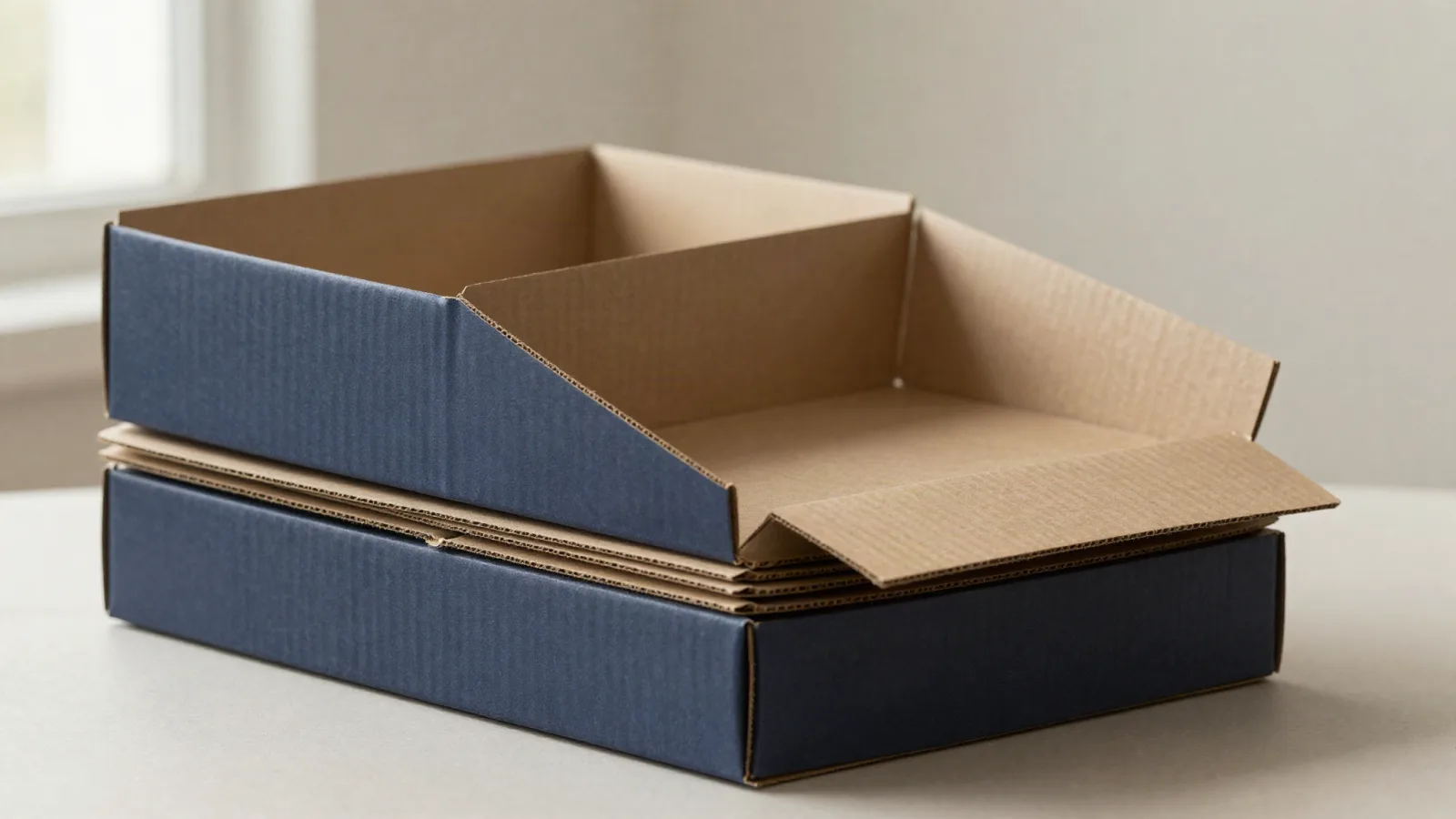





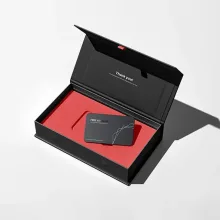
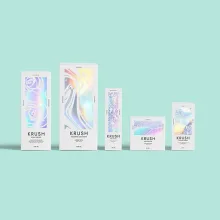










































An apparel shipping box is a box planned for the handoff between a fulfillment station, a carrier, and a customer. DTC means direct-to-consumer, where the packed order moves from the brand's operation to the customer's address. The box has to accept the folded garment, order extras, closure, and shipping label without forcing the packer to improvise.
What should an apparel shipping box do at the pack station?
An apparel shipping box should make picking, loading, closing, labeling, and opening repeatable. Start with the real folded garment and the extras that stay in the order, then check the box at the station where the order is packed.
| Fulfillment stage | Box responsibility | Buyer checkpoint |
|---|---|---|
| Picking | Identifies the order family or SKU | Can staff distinguish the package quickly? |
| Packing | Receives the garment and order extras | Does the same packout work each time? |
| Closing | Creates a repeatable tuck, seal, or tape routine | Can the station close it without awkward handling? |
| Labeling | Leaves a usable shipping-label zone | Will the label cover the main artwork? |
| Opening | Shows the garment in the intended order | Is the opening direction obvious? |
Should an apparel brand use a mailer or folding shipping box?
A mailer box has an attached lid and locking tabs, while a folding shipping box is planned around flat storage, assembly, and a separate closure routine. The better choice follows the pack station, garment bundle, label zone, and customer opening rather than the name of the clothing product.
Use custom apparel mailer boxes for the clothing-specific format. Custom folding shipping boxes help frame a flat-storage and assembly discussion. Custom shipping boxes give a broader delivery format for comparison.
How should a folded clothing order fit inside?
Fit the box around the complete order configuration, including the folded garment, tissue, card, sticker, or accessory that the packer actually adds. Map the smallest approved order and the largest approved bundle, then check the garment position, lid closure, and movement inside the box.
A box that is too tight can catch the garment or distort the closing panels. A box with excess room can let the order shift before the carrier handoff. The proof should use the packed order, not an empty carton.
Where should the shipping label sit?
Reserve the label zone before the artwork is finalized. The label needs a flat area that does not cover the primary logo, product copy, barcode, opening instruction, or interior message after the box is folded.
Mark the label position on the proof and show the closed box with the intended carrier-facing panel. If the brand uses warehouse marks or a second barcode, add those surfaces to the same review. The label area is part of the structure, not a last-minute sticker decision.
What should an apparel box proof show?
The proof should show the closed exterior, open box, folded garment position, order extras, closure sequence, label zone, interior artwork, and any score or glue-tab relationship. Check the file for low-resolution art, RGB color shifts after press conversion, missing bleed, and type set too close to a fold. Those errors are cheap to fix before approval and awkward to fix after a run.
Free design support can organize the panel map, and CPL sends a digital proof before anything prints. The $19.99 sample kit can help compare box structure, print surface, and opening direction before the custom box is released.
How should the box be checked for receiving and storage?
Ask how the boxes nest in a master carton, how the receiving team identifies each package, and how the packed boxes will sit at the fulfillment station. Board grade and caliper belong in the quote because caliper is the board thickness and board construction affects folds, stacking, and closure behavior.
Use custom packaging for small business after the apparel packout is defined. Keep the garment profile, extras, label zone, artwork, closure, and receiving request in one brief.
What order terms apply to apparel shipping boxes?
Custom apparel shipping boxes use a 100-unit MOQ. Pricing is from $0.49 per unit at volume, quoted to spec. Production is typically 8 to 10 business days after proof approval, plus delivery. Free US shipping and free design support are available. The quote should name the box style, packed order, material direction, artwork, quantity, and destination.
What should you send for a box quote?
- The folded garment profile and approved order configurations.
- The tissue, cards, stickers, or accessories that stay inside.
- The preferred mailer or folding shipping-box direction.
- The label zone, closure, artwork, and interior print request.
- The quantity, destination, receiving setup, and delivery requirements.
That information gives the proof a real packout to show.
Frequently Asked Questions
What is an apparel shipping box?
An apparel shipping box is a package planned around folded garments, order extras, closure, shipping-label placement, carrier handling, and customer opening. A DTC apparel box moves from a fulfillment station to a customer's address, so the proof should show the complete packed order rather than an empty carton.
How do I choose a box for folded clothing?
Choose a box by checking the smallest and largest approved garment orders, plus tissue, cards, stickers, or accessories that stay inside. The box should close without catching the garment or leaving excessive movement. Custom Packaging Lane can compare apparel mailers and folding shipping boxes from that packout brief.
Where should the shipping label go on an apparel box?
The shipping label should sit in a planned flat zone that does not cover the primary logo, product copy, barcode, opening instruction, or important interior message. Mark the label position on the digital proof and review the closed box before approving artwork.
Can one apparel shipping box fit different order sizes?
One apparel shipping box can fit different approved order sizes when the folded garments and order extras stay within the same packout range. Check the smallest and largest configurations with the closed box, label zone, and closure. Do not approve one size from the clothing category alone.
What are the MOQ and production terms for apparel boxes?
The MOQ is 100 units, and pricing is from $0.49 per unit at volume, quoted to spec. Production is typically 8 to 10 business days after proof approval, plus delivery. Free US shipping and free design support are available. The $19.99 sample kit can help compare shipping structures before proof approval.