
































































What does shipping box printing include?
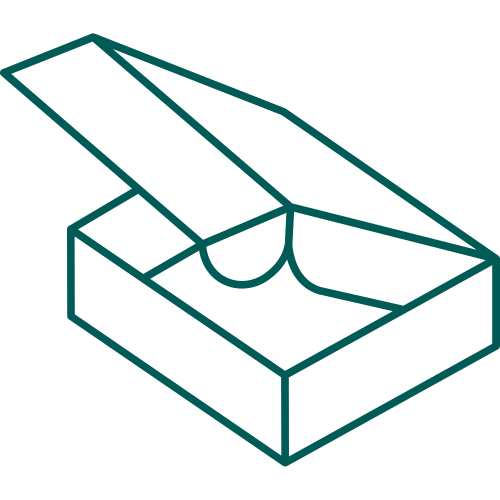
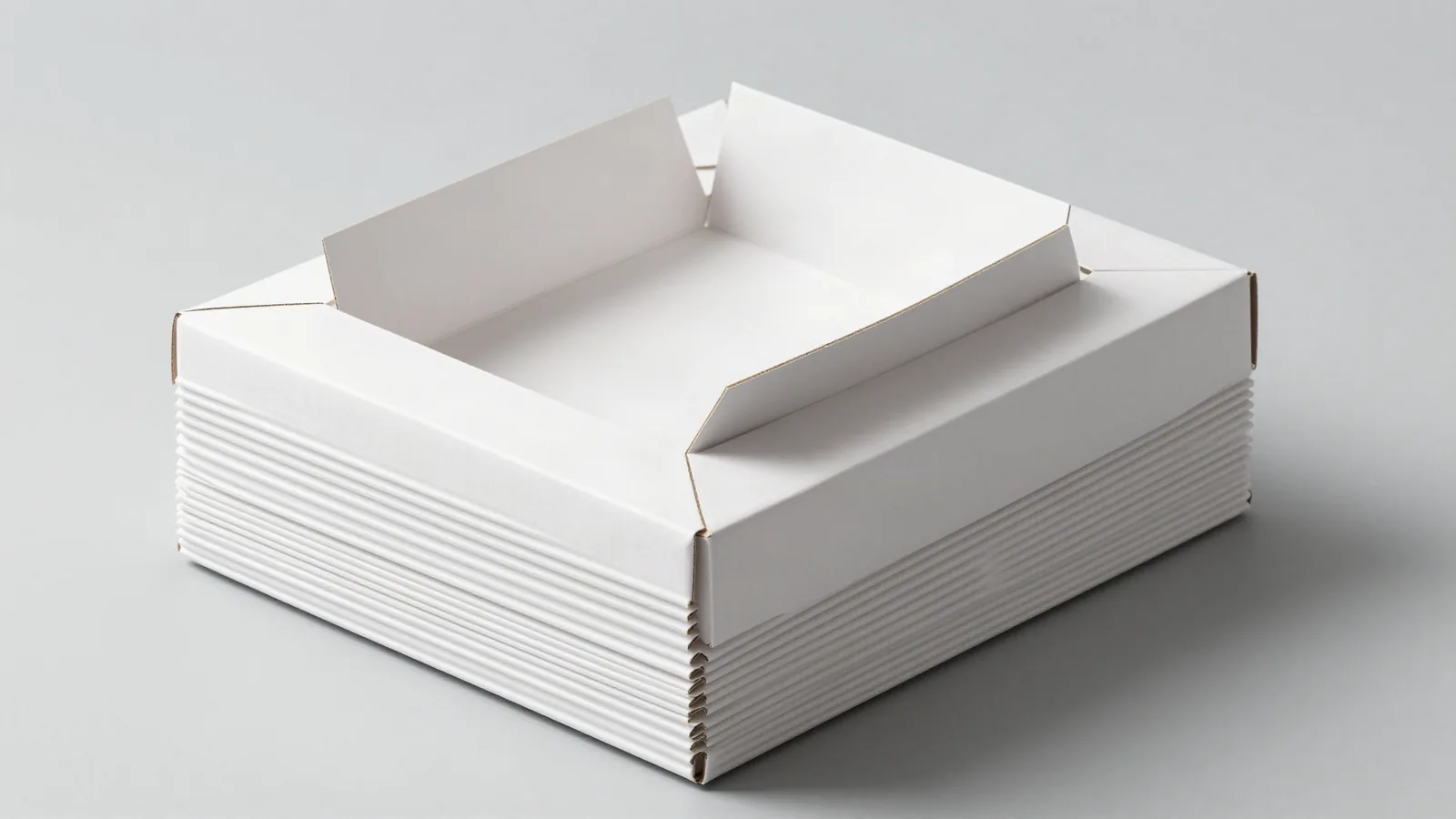
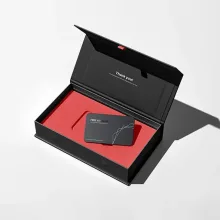
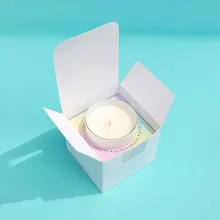
Shipping box printing is the process of placing artwork on the panels of a mailer or shipping box, with the dieline controlling folds, seams, flaps, and closure order. A dieline is the flat cutting and scoring template for the box. Full-color artwork only works as intended when the print plan follows the actual structure.
Start with the packed product and loading direction. Then mark the outside panels, inside panels, opening area, shipping-label area, and any surface that must stay clear. A blank rectangle is not enough. A tuck, fold, seam, or flap can move the logo away from the panel the recipient sees first.
Which box structure should carry the artwork?
The box structure should follow the pack-out, opening action, and amount of interior protection required. Custom shipping boxes give the direct outer-box reference. Custom folding shipping boxes fit projects where the flat layout and assembly sequence need close attention.
| Format direction | Print planning focus | Buyer question |
|---|---|---|
| Custom shipping box | Exterior identity, closure, and label-facing panels | What should the recipient see before opening? |
| Folding shipping box | Flat artwork, scores, folds, and assembly order | How will the team fold and pack it? |
| Mailer-style box | Top panel, side panels, interior message, and seal area | Which panel carries the opening message? |
| Box with an insert | Product position, cavity, and visible interior print | Will the insert hide or change the artwork? |
If the product needs an organized interior, custom foam box inserts can be considered with the outer box. For a product-specific carton reference, wine box packaging shows how print planning follows a distinct product format.
How do kraft, white board, and flute change print?
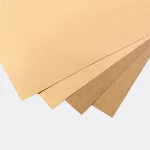
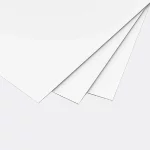
Kraft and white corrugated board do not give printed ink the same starting surface. Kraft has a brown base, so colors read warmer and large color fields can lose contrast. White board gives the artwork a lighter base, so colors usually stay closer to the supplied proof.
E-flute and B-flute also change the physical box. E-flute is typically 1.2 to 1.8 mm thick and gives a finer print face. B-flute is typically 2.8 to 3.5 mm thick and gives more board depth and stacking cushion. These are typical industry ranges, and the selected mill and construction set the final value.
| Material or flute | Typical industry reference | Printed result or handling effect |
|---|---|---|
| Kraft corrugated board | Brown liner surface | Warmer color and lower contrast |
| White corrugated board | White liner surface | Colors closer to the supplied proof |
| E-flute corrugated board | 1.2 to 1.8 mm typical | Finer print face and less board depth |
| B-flute corrugated board | 2.8 to 3.5 mm typical | More board depth and stacking cushion |
How should full-color box artwork be prepared?
Full-color box artwork should be prepared on the actual dieline, with the logo, product name, copy, panel order, print coverage, and finish direction identified. RGB art can shift when it is converted for press. Low-resolution images can look soft on a large panel. Send vector logos when available and keep important copy away from scores, seams, cut edges, and glue tabs.
A 3 mm bleed is a common prepress starting point for printed cartons, but CPL should confirm the required bleed on the selected dieline. Keep the cut line, score line, and artwork on separate reference layers. Review the assembled view as well. A panel that looks correct flat can read upside down or disappear under a flap after assembly.
Where should the printed message sit on a mailer?
The main printed message should sit on the panel the recipient sees before opening the mailer. Put the brand and product name on that panel, then reserve the inside lid or interior base for a second message if the opening sequence calls for it.
Shipping labels, seals, seams, and inserts can cover the artwork after packing. Mark those areas before the file is locked. If the box travels through a shipping operation, inspect the label-facing side separately from the recipient-facing side. The print plan has to work in both views.
What should a printed shipping box quote include?
- The packed product dimensions, loading direction, and closure.
- The selected box structure, board or flute direction, and insert plan.
- Outside and inside print coverage, panel priorities, and label clearance.
- Artwork status, finish direction, bleed, and any required proof changes.
- Quantity, delivery destination, and shipping terms.
CPL's MOQ is 100 units. Pricing is from $0.49 per unit at volume, quoted to spec. Production is typically 8 to 10 business days after proof approval, plus delivery. Free US shipping and free design support are available.
The $19.99 sample kit can help compare general material, surface, and opening direction before the final proof, and the cost can be credited toward the first order. For a logo-led brief, use custom boxes with logo. Check the assembled proof from the packer's side, the recipient's side, and the label-facing side before approval.
Frequently Asked Questions
Does printing change when the box is Kraft?
Kraft shipping box printing starts on a brown liner, so colors usually read warmer and large color fields can have lower contrast than they do on white board. White board gives ink a lighter base and keeps colors closer to the supplied proof. The selected board should appear in the digital proof before production.
Can full color be printed inside a shipping box?
Full-color printing can be planned for the inside, outside, or both sides of a shipping box, subject to the selected structure and material. Name each panel in the artwork brief. Keep the logo, copy, seams, flaps, label area, and insert position visible in the proof before approval.
Should I add a foam insert to a printed shipping box?
A custom foam insert can be considered when the product needs a defined cavity or interior organization. The insert changes the product position and the interior artwork view, so send the cavity plan with the outer box brief. CPL lists <a href='/product/custom-foam-box-inserts/'>custom foam box inserts</a> as a related product option.
What are the MOQ and price for printed shipping boxes?
The MOQ for custom printed shipping boxes is 100 units. Pricing is from $0.49 per unit at volume, quoted to spec, with the final amount tied to the box, board, print coverage, finish, quantity, and delivery details. Free US shipping and free design support are available.
How long does printed shipping box production take?
Printed shipping box production is typically 8 to 10 business days after proof approval, plus delivery. The timing starts after the box structure, artwork, material, and finish are settled in the approved digital proof. A $19.99 sample kit can help with early material and surface comparisons.