


























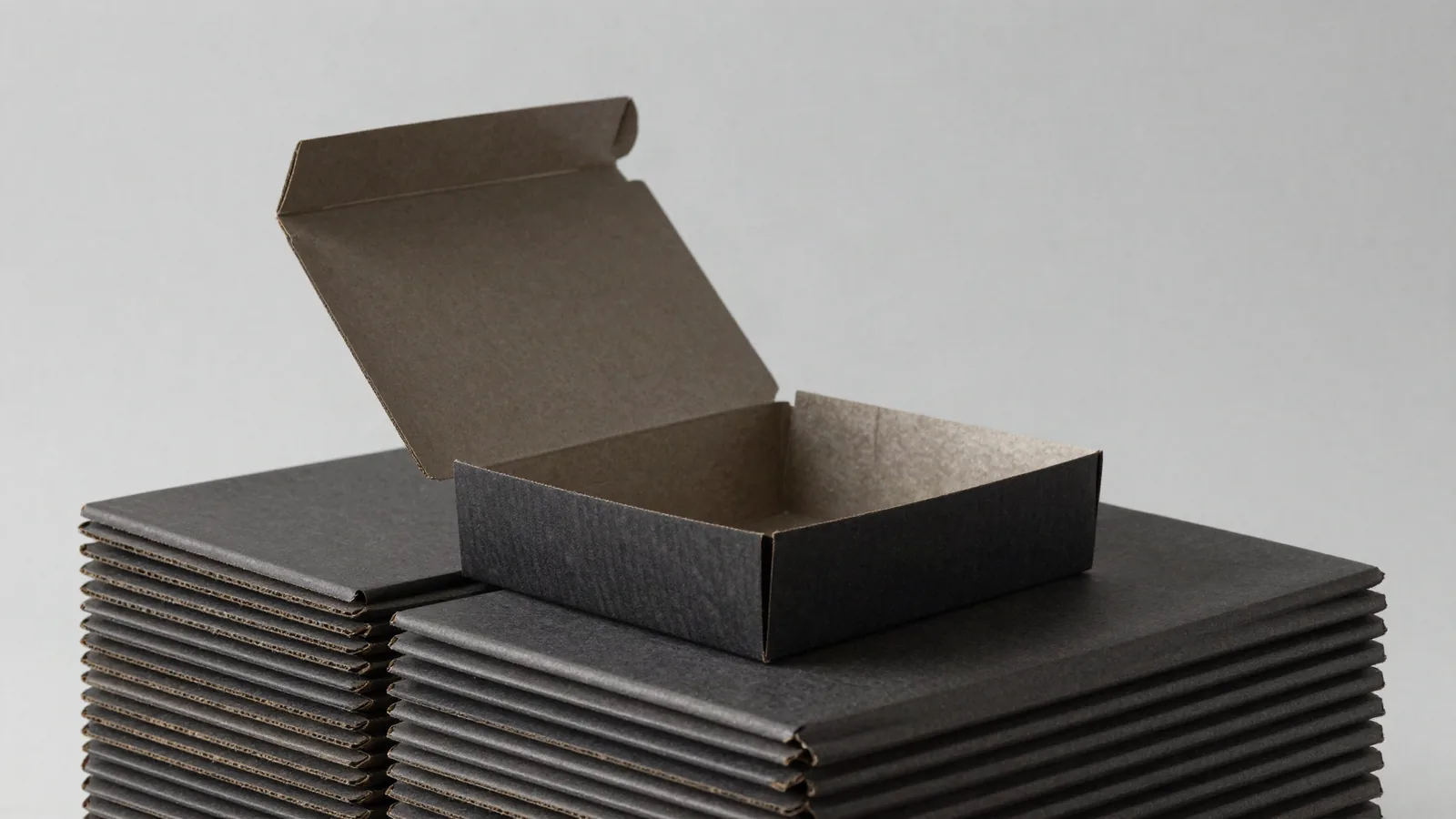




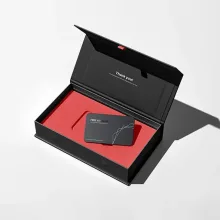

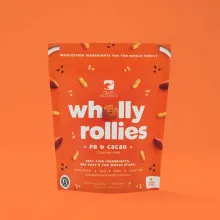
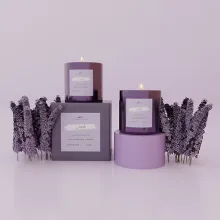




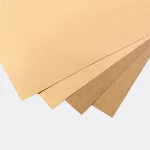




































Types of shipping boxes should be compared by the work the package must do before, during, and after dispatch. A general custom shipping box gives you the broad construction route. A folding shipping box adds an assembly question. Custom Packaging Lane's custom packaging solutions page is the wider starting point, and the product links below keep this comparison tied to the shipping-box catalog.
What are the main types of shipping boxes?
Start with the route that matches the shipment, then confirm the box construction, product fit, artwork, and handling plan.
| Catalog route | What changes in the brief | Custom Packaging Lane reference |
|---|---|---|
| General shipping | Start with the product, opening, board, and shipping workflow. | custom shipping boxes |
| Folding shipping | Include how the box folds, assembles, and reaches the packing station. | custom folding shipping boxes |
| Keep the product category visible while the fit and structure are checked. | ||
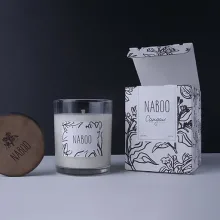
| Candle category | Start from the candle product and its package dimensions. | custom candle shipping boxes |
| Window format | Decide whether the product should show through the package. | window boxes |
A catalog route is a starting point, not a transit specification. The product dimensions, board grade, opening, closure, and artwork still need their own check. A corrugated shipping box uses a fluted paper layer between outer liners. The flute is the wavy inner layer, and its profile changes the board thickness and stacking behavior. Put that choice in the brief when the shipment will be stacked or handled repeatedly.
Artwork preparation affects the shipping job too. Low-resolution files soften small type, RGB artwork can shift when converted for press, and missing bleed leaves a white edge after cutting. Check the barcode at its final size and keep it away from scores or window cuts. Those checks belong in the digital proof, before the approved file starts the production clock.
How does a folding shipping box change the packing workflow?
A folding shipping box adds assembly to the packing workflow, so the brief must show how the flat or folded piece becomes a usable box. Scores, glue tabs, locking flaps, and the order of folds all matter. Keep type away from scores and leave bleed beyond the cut line. We draw the dieline with free design support and send a digital proof before anything prints, which is where a wrong fold direction should be caught.
What board details matter for a shipping box?
Board choice should follow the product weight, stacking exposure, and handling route. A thinner paperboard structure may suit a light presentation pack, while corrugated board adds a fluted layer for shipping work. The correct grade is not determined by the word shipping alone. Send the product dimensions, packed weight, and intended use so the quote and proof address the real box rather than a generic label.
When does a window make sense on a shipping box?
A window makes sense when the product needs to be seen before opening, but it trades some uninterrupted printed area for visibility. Custom Packaging Lane's window display boxes, window soap boxes, and window boxes give three catalog references for that decision. Confirm the window location, product position, opening, and shipping handling together. A window should not be added after the dieline is already settled.
Should the product category lead the shipping-box brief?
The product category should lead when it changes the fit, opening, or presentation question. A candle can start with custom candle shipping boxesIf the category does not change the construction, use the general or folding route and keep the brief focused on the box itself.
What should a custom shipping-box brief include?
List the product, packed dimensions, board direction, opening, artwork, visibility, order quantity, and delivery destination. Custom shipping box projects use a MOQ of 100 units. Pricing is from $0.49 per unit at volume, quoted to spec. Production is typically 8 to 10 business days after proof approval, plus delivery. Free US shipping and free design support are available. The $19.99 sample kit is a practical next step when you need a physical reference before approval.
Frequently Asked Questions
What are the main types of shipping boxes?
The best starting route depends on construction, assembly, product fit, visibility, and handling. The selected route still needs a product-specific brief and digital proof before production.
What is the MOQ for custom shipping boxes?
Custom shipping boxes use a MOQ of 100 units. Pricing is from $0.49 per unit at volume, quoted to spec, so the selected construction, product dimensions, artwork, board direction, and order details belong in the quote. Free US shipping and free design support are available.
How are folding shipping boxes different?
Folding shipping boxes add an assembly step, so the brief must account for scores, glue tabs, locking flaps, fold order, and the packing workflow. Custom Packaging Lane draws the dieline with free design support and sends a digital proof before anything prints. The proof should show the correct fold direction.
Can a shipping box have a window?
A shipping box can use a window as a visibility choice, and Custom Packaging Lane lists window boxes, window display boxes, and window soap boxes. The window uses part of the printed panel and changes product positioning. Confirm the product fit, window location, opening, artwork, and handling plan together.
How long does shipping-box production take?
Shipping-box production is typically 8 to 10 business days after proof approval, plus delivery. Custom projects use a MOQ of 100 units, pricing from $0.49 per unit at volume, quoted to spec, free US shipping, and free design support. The sample kit costs $19.99 for physical check.