
























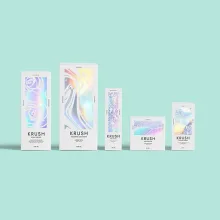
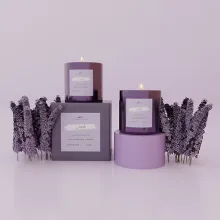
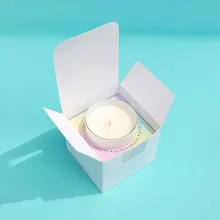




































What is a slipcase box?
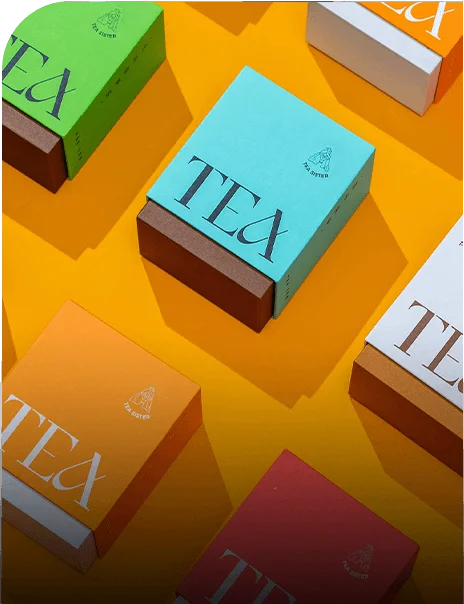
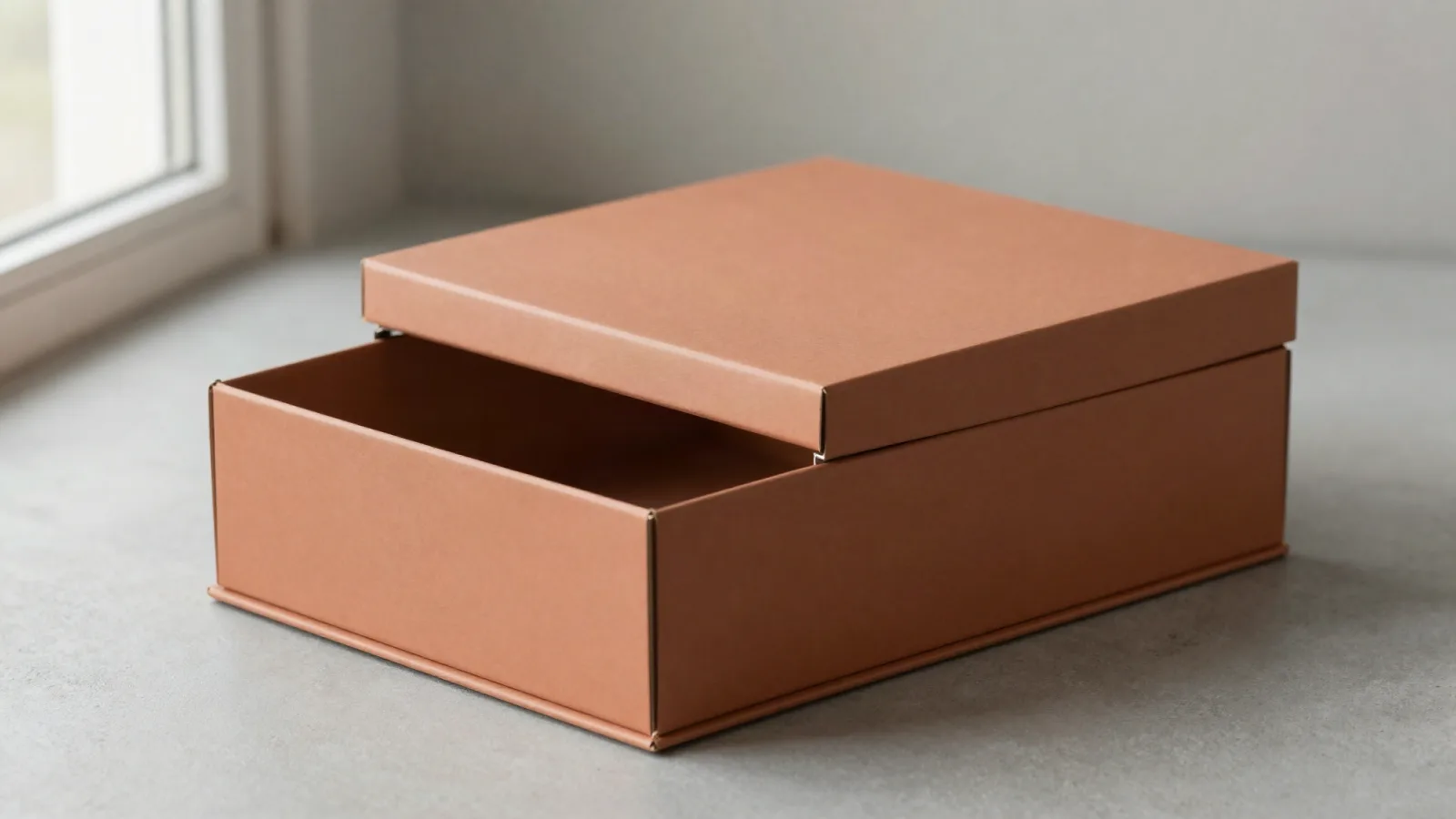
A slipcase box is a package with an outer sleeve and an inner component that slides inside it. The inner component can be a box, tray, book-style package, or product holder. The sleeve creates the outer layer, while the insert controls placement and access. This sleeve-and-insert construction is the defining feature, even when the outside uses different materials or finishes.
A slipcase suits a project where the closed package and the opening sequence need separate decisions. The sleeve may carry the main artwork, while the insert frames the product or inner package. Begin with the product dimensions and the way the hand reaches the contents. Artwork comes after the movement is clear.
How does sleeve-and-insert packaging work?
The sleeve, insert, and opening feature need one structural proof. The sleeve sets the outer alignment. The insert controls height, spacing, and access. A ribbon, pull tab, handle, or other opening detail changes how the inner component leaves the sleeve, so it belongs in the first brief rather than as a late decoration.
| Component | Physical job | Proof check |
|---|---|---|
| Outer sleeve | Sets the outside alignment and carries print | How should it slide and display the artwork? |
| Inner insert | Holds the product or inner package in position | What controls height, spacing, and access? |
| Opening feature | Creates the pull or access point | Should it use a ribbon, tab, handle, or closure? |
| Wrapped exterior | Creates the visible surface and finish direction | Do edges, seams, and artwork align? |
A loose sleeve weakens the handoff to the insert. A tight sleeve can catch on a wrap edge or make the pull detail hard to use. Show the closed position, the partly opened position, and the fully accessible position in the proof.
Which material direction fits a slipcase box?
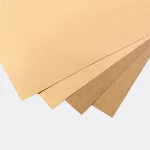
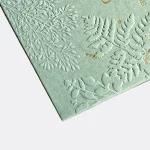
Rigid board gives the sleeve a firm, structured feel. Paperboard gives a lighter printed direction. Cloth and leatherette change the surface texture and how the package feels in the hand. The material should be chosen with the insert, wrap method, edge treatment, and opening frequency in mind.
A wrap can cross an edge cleanly only when the board, corner, and artwork are planned together. Keep fine type away from scores, seams, and corners. A textured surface can soften small copy visually, while a high-contrast printed panel can make alignment errors easier to see.
Which features belong on the sleeve or insert?
CMYK and Pantone are print planning systems for controlling artwork color. A window cutout reveals a selected part of the contents. Die cuts change the outline or access point. Embossing and debossing change the surface relief. Ribbons, magnetic closures, handles, and collapsible elements change access or storage. Place each feature on the sleeve or insert according to the job it has to do.
A window in the sleeve can reveal the product before the insert moves. A ribbon on the insert can pull the inner component forward. Keep the feature, its clearance, and the artwork in the same proof. If the contents raise a food-contact question, ask us about food-contact options for your product.
Which CPL products clarify a slipcase brief?
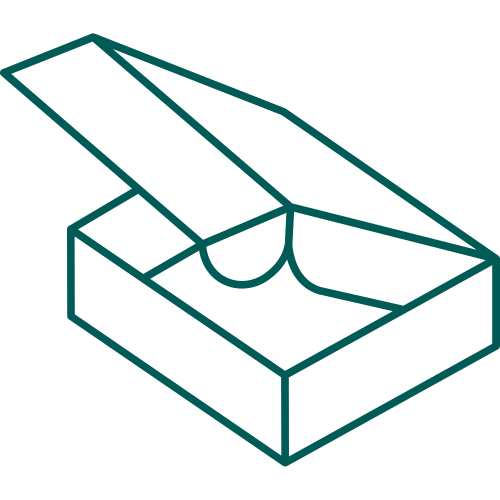
Begin with custom slipcase boxes for the sleeve-and-insert format. If the contents need shaped support, compare custom foam box inserts for interior organization. wine box packaging offers another layered presentation reference. shoe box packaging helps compare how the outer panels and opening work together.
For the artwork planning route, use custom packaging design. Keep the actual contents, sleeve clearance, insert position, and opening feature in the slipcase brief. Product-page examples can set a direction, but the proof has to fit the package being ordered.
What should you send before a slipcase proof?
Send the product or inner package dimensions, sleeve movement, insert approach, artwork, material preference, finish direction, and any pull or closure feature. Also state whether the package will be opened often, stored, gifted, or displayed. These details determine how the sleeve, insert, and access feature are drawn.
Check bleed, score lines, glue tabs, edge wraps, and the distance between type and folds. RGB artwork can shift during press conversion. Low-resolution art can blur. The production clock begins after proof approval, so settle structure and artwork before approval.
What are the order terms for slipcase packaging?
The MOQ is 100 units. Pricing is from $0.49 per unit at volume, quoted to spec. Production is typically 8 to 10 business days after proof approval, plus delivery. The quote follows the sleeve, insert, board, wrap, print, finish, quantity, and selected features.
Free design support and free US shipping are available. The $19.99 sample kit gives you a physical way to compare board, wrap, surface, and opening direction. The sample kit is credited toward the first order. Use the sample before proof approval, then send the filled dimensions and artwork for the next step.
Frequently Asked Questions
What is the difference between a slipcase and a sleeve-and-tray box?
A slipcase is named for its outer sleeve and the inner component that slides inside it. That inner component may be a tray, box, book-style package, or product holder. A sleeve-and-tray box is one specific slipcase arrangement, while slipcase packaging can use several inner structures.
Can slipcase packaging have a window?
Slipcase packaging can include a window cutout when the sleeve, insert position, and artwork leave room for the opening. The window can reveal a selected area of the contents before the insert moves. Confirm the cut line, sleeve movement, edge wrap, and product position in the proof.
Which materials can a slipcase use?
Custom slipcase boxes can use rigid board, paperboard, cloth, or leatherette as material directions. Rigid board keeps the sleeve firm, paperboard gives a lighter printed direction, and cloth or leatherette change the surface texture. Choose the material with the insert, wrap, edge treatment, and opening pattern in mind.
Can a slipcase use a ribbon or magnetic closure?
A slipcase can use a ribbon, magnetic closure, handle, pull tab, or another catalog feature when the sleeve and insert have the required clearance. The opening detail changes access and storage, so it belongs in the structural brief. Check the feature, artwork, and movement together before proof approval.
How many slipcase boxes must I order?
Custom Packaging Lane uses a 100-unit MOQ for slipcase boxes. Pricing is from $0.49 per unit at volume, quoted to spec. Production is typically 8 to 10 business days after proof approval, plus delivery. Free design support and free US shipping are available, and the sample kit is $19.99.