











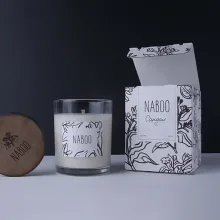
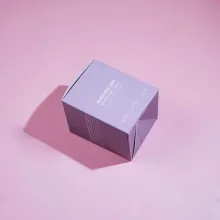
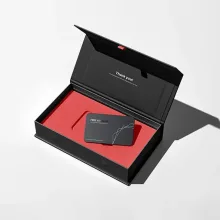
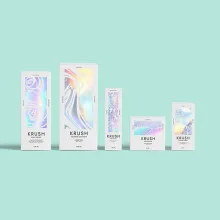





































Bandana packaging ideas start with the folded bandana and the way it reaches the buyer. A mailer is an outside shipping package. A sleeve is a printed wrap that slides over a folded product. A Mylar bag is a flexible film pouch. A box gives the package a defined shape. Compare those formats after recording the folded size, sales channel, artwork, and opening plan.
What makes bandana packaging useful for a small brand?
Useful bandana packaging keeps the textile folded while making the product and brand easy to identify. The right format depends on how the bandana is packed, where it is sold, how it ships, and whether the buyer should see the pattern before opening.
Start with the folded product instead of a fixed box shape. Record the packed length, width, thickness, artwork that must stay visible, information for a label or insert, and the direction the package should open. That brief lets you compare a mailer, sleeve, label-led wrap, flexible bag, folding box, or gift format without guessing.
Should bandana packaging use a box, sleeve, or bag?
Use a box when structure, stacking, retail presentation, or a defined opening matters. Use a sleeve or label-led wrap when the folded bandana should stay easy to identify and the package should remain compact. Use a bag when flexibility and a printed surface matter more than a rigid presentation.
| Format direction | Bandana brand use | Question to answer |
|---|---|---|
| Mailer | Direct-to-customer shipping and branded arrival | Should the outside package carry the main brand message? |
| Label or sleeve | Compact presentation with the textile visible | Which product and collection details must stay readable? |
| Mylar bag | Flexible pouch for a folded textile | Does the pouch surface fit the opening and storage plan? |
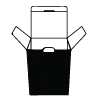
| Folding box | Retail presentation or a structured opening | Does the folded product need a defined enclosure? |
| Rigid gift format | Collection release or gifting | Should the package be kept after the bandana is opened? |
Custom bandana packaging is the direct catalog starting point. Sock packaging gives you an adjacent folded-textile reference, while towel packaging helps frame a larger textile presentation.
How can labels improve a bandana package?
A label can identify the brand, product, collection, variant, size, or care direction supplied by your team. It can also tell the buyer where to open the package. Keep the hierarchy short so the essential information remains readable before the textile is unfolded.
Labels let a brand test a packaging direction without changing every surface of a box or mailer. The label still needs to fit the folded product and sit where handling will not peel, cover the pattern, or hide the product name. Check the placement on the actual folded presentation.
What bandana packaging works for ecommerce?
For ecommerce, start with a package that keeps the folded bandana organized and gives the arrival a clear branded surface. A mailer can carry the outside shipping message, while an inner sleeve, label, or pouch identifies the product. A folding box fits a stronger opening sequence.
Shoe box packaging is a useful printed-box reference when the bandana needs a defined enclosure. Private label packaging can frame a system across several branded products. Do not add layers unless each layer holds the fold, carries information, supports the opening, or protects the presentation.
How should color and finish work with the bandana pattern?
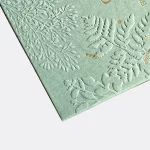
Let the package support the bandana pattern rather than compete with it. Full-color printing can carry artwork and product information. A quieter surface can leave the textile as the first visual point. Matte, gloss, soft-touch, foil, embossing, and debossing each change the surface and the way a logo is seen.
Choose finish after the structure and artwork hierarchy are clear. Mark the panels for the brand, product information, collection cue, and first view. Free design support can help organize the file, but the final proof should be checked beside the folded bandana.
What should be measured before a bandana packaging quote?
Send the folded length, width, thickness, package direction, sales channel, quantity, artwork status, opening preference, information panels, finish, and delivery destination. If several patterns use one structure, list the artwork changes separately.
A dieline is the flat cutting template for the package. It should show panels, scores, cut lines, glue tabs, and artwork placement. Keep type away from scores and cut edges, and include bleed beyond the cut line. If the folded presentation is hard to describe, add a photo or sketch beside the measurements.
Which CPL products can anchor bandana packaging ideas?
Start with custom bandana packaging when the package is built around the textile. Compare sock packaging for a compact folded-product format and towel packaging for a larger textile presentation. Shoe box packaging gives you a structured printed-box reference, while private label packaging helps organize several branded product formats.
What are the order and sample references?
CPL uses a 100-unit MOQ. Pricing is from $0.49 per unit at volume, quoted to spec. Production is typically 8 to 10 business days after proof approval, plus delivery. Free US shipping and free design support are available.
The $19.99 sample kit can help compare surface feel and package direction before approval. For a planning path built around small-brand needs, visit custom packaging for small business and carry the folded product measurements into the request.
Frequently Asked Questions
What is a simple bandana packaging format for a new brand?
A label-led wrap, sleeve, or flexible pouch can give a new bandana line a clear branded presentation while keeping the folded textile easy to identify. Start with the packed product and sales channel. Then decide whether the package needs shipping presentation, retail visibility, a stronger opening, or a clean enclosure.
Does a folded bandana need a box?
A folded bandana needs a box when structure, stacking, gifting, or a defined opening matters. A bag or sleeve fits a flexible presentation, while a label can identify the product without covering the pattern. Compare the folded size, artwork, opening, shipping route, and packing routine first.
Can a bandana label carry care details?
A bandana label can carry product information supplied by the brand, including a name, collection, variant, size, or care direction. Keep the hierarchy readable and place the label where it does not hide the textile pattern. Check the proof on the actual folded presentation before approval.
How can several bandana patterns share one package system?
Several bandana patterns can share one package system when the logo, product name, collection cue, typography, and color relationships stay consistent. Let the textile pattern change within that framework. List the artwork changes separately so each variant matches the same approved structure.
What are CPL's minimum, price, and timing terms?
CPL uses a 100-unit MOQ. Pricing is from $0.49 per unit at volume, quoted to spec. Production is typically 8 to 10 business days after proof approval, plus delivery. Free US shipping and free design support are available, and the sample kit is $19.99.