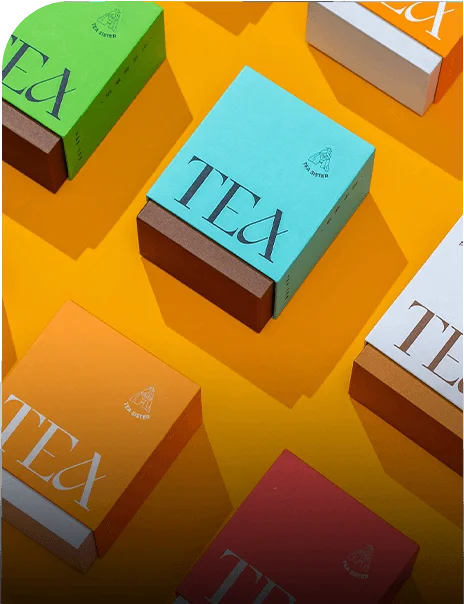












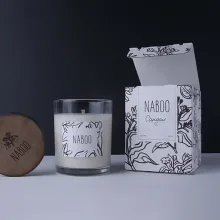
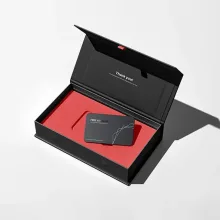































Pastry box ideas start with the pastry's shape, the way it is handed over, and the amount of display the package should provide. A pastry box is a carton or container built around that product job. Paperboard is sheet stock that can be printed, cut, scored, and folded; a rigid box uses wrapped board over a fixed structure. CPL's food packaging catalog covers pastry box styles and finishes that bakeries can customize, quoted to spec.
Which pastry box style fits the product?
The suitable pastry box style follows how the pastry is sold: counter service, gifting, delivery, or a multi-piece assortment. A counter carton needs a clear opening and simple loading path. A gift box gives more room to plan the lid, printed panels, and reveal. Delivery adds movement and stacking to the brief.
| Style direction | Useful when | Check before approval |
|---|---|---|
| Folding paperboard box | One pastry or a small set needs a printed carton | Scores, closure, and loading path |
| Window box | The product should be visible before opening | Window position and product face |
| Box with an insert | Several pieces need separation | Cavity layout and hand access |
| Tin format | The package direction calls for a formed container | Lid fit, interior space, and surface artwork |
Should a pastry box have a window?
Use a window when seeing the pastry is part of the sale. A window can show decoration or an assortment without opening the box, but it takes up part of a printed panel and creates a cut edge that must be placed in the dieline. Keep the window away from scores and make sure the product sits where the opening shows the intended face.
An enclosed box gives uninterrupted print and more control over the reveal. Neither format is universally right. Decide whether product visibility or printed surface has the stronger job, then draw the layout around that choice.
What material should a pastry box use?
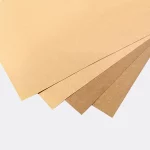
Paperboard folds along scores and gives the artwork a continuous printed surface. Kraft has a brown fiber appearance and changes the base color under ink. Corrugated board has a fluted layer between liner sheets, which changes thickness and stacking behavior; it is a different construction from folding paperboard. Tin is formed metal with a separate lid or closure, so it does not use scores and glue tabs like a carton.
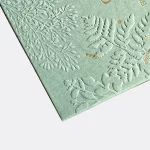
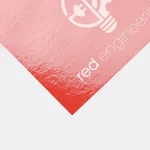
Finish choices change light and touch. Matte reduces reflection, gloss increases it, foil creates a metallic accent, and embossing raises part of a surface. A finish should sit in the artwork brief with board, window, and opening, not be added after the structure is set.
Ask us about food-contact options for your product before choosing an interior surface or insert. The product, liner, interior material, and intended handling belong in that question.
How do inserts protect a pastry assortment?
An insert is an interior piece that holds or separates the contents. For a pastry assortment, it can set each item in a planned position and stop pieces from touching. The insert must leave a practical loading path; cavities that are too tight slow packing, while loose cavities allow movement.
Describe the number of pieces, their orientation, and which faces need protection. CPL's custom foam box inserts page is a reference for interior planning, not a promise that foam is right for direct product contact. Ask us about food-contact options for your product before choosing an interior material.
Which CPL products can you compare for pastry packaging?
Start with custom pastry boxes when the carton itself is the main pastry presentation. A window boxes reference fits a package where product visibility needs to be planned with the artwork. For a formed container, compare the chocolate tin box route. These pages describe different format directions, so bring the pastry dimensions and opening path to the quote.
What should a pastry box quote include?
A pastry box quote needs product dimensions, quantity, opening direction, material, print coverage, finish, window, insert, and delivery destination. If a pastry is sold as an assortment, include the arrangement, not just the outside dimensions of one piece.
CPL's free design support can draw a dieline and provide a digital proof before anything prints. The MOQ is 100 units. Pricing is from $0.49 per unit at volume, quoted to spec. Production is typically 8 to 10 business days after proof approval, plus delivery. Free US shipping is available. Order the $19.99 sample kit for a physical reference, then use custom packaging for small business to frame a broader bakery request.
Frequently Asked Questions
What should a bakery consider before choosing a pastry box?
Before choosing a pastry box, define the pastry shape, quantity, handoff method, opening direction, and display requirement. Then compare paperboard, window, insert, or tin formats against those facts. The box should load without forcing the product, close without pressure, and present the intended face when it reaches the customer.
Does a pastry box need a window?
A pastry box needs a window when product visibility is part of the presentation. The window uses part of the printed panel, so its position must be placed with the dieline, product face, scores, and artwork. An enclosed pastry box gives more uninterrupted surface for print and keeps the product hidden until opening.
How do pastry box materials differ?
Paperboard is foldable sheet stock for printed cartons, kraft changes the base color under ink, corrugated board adds a fluted layer between liner sheets, and tin is formed metal with a separate lid. Each material changes the box structure, surface, closure, and artwork setup. Ask us about food-contact options for your product.
Can inserts separate pastries?
Inserts can separate pastries by placing individual pieces in planned cavities. The insert should match the number, orientation, and size of the assortment while leaving room for loading and removal. A cavity that is too tight slows packing, while a loose cavity allows movement. Discuss the box and insert together.
What are the MOQ and production timing for custom pastry boxes?
The MOQ for custom pastry boxes is 100 units. Pricing is from $0.49 per unit at volume, quoted to spec. Production is typically 8 to 10 business days after proof approval, plus delivery. Free US shipping and free design support are available, and the sample kit is $19.99.