








































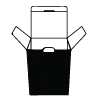

The practical starting point for cake pop packaging is a fitted insert that keeps each finished cake pop upright, followed by a window when visibility matters. An insert is an inner support with openings or slots that hold the treat in position. Custom Packaging Lane's catalog includes custom cake pop boxes with upright inserts, window options, and shape options. It does not publish a frequency ranking for bakery orders, so choose the configuration that matches the treat and the way the bakery hands it over or ships it.
What keeps cake pops upright in a box?
A fitted insert keeps each cake pop in a planned position and leaves space around the coating, stick, and decoration. The cavity should hold the cake pop without squeezing it, while the outer box should close without touching the tallest part of the treat.
| Packaging direction | What it does | When to consider it |
|---|---|---|
| Insert | Holds each cake pop in a defined position | Use when movement is the main concern |
| Window | Shows the decoration through the outer package | Use when visibility matters at handoff |
| Insert and window | Pairs product support with a product view | Use when upright placement and display both matter |
| Tall format | Creates more vertical room around the treat | Use when a topper or decoration needs extra clearance |
Should cake pop packaging have a window?
A window is useful when customers need to see the decoration before opening the package, but it does not replace an insert. Choose the support layout first, then place the window where it shows the product without cutting into the structure or leaving the tallest decoration exposed.
Check the window against the coating, topper, stick, and branding panel. A clear view of the wrong side of the cake pop does not help the handoff, and a window placed across a fold can distort when the box closes. Review the window and insert in the same proof.
How do you measure a cake pop for packaging?
Measure the finished cake pop with the stick and decoration attached. Record the widest part of the coating, the tallest point, the stick length, and the position the treat will occupy inside the box.
If an insert will hold several pieces, describe the spacing and support method instead of guessing an outer box size. Measure the largest decoration style when several versions share one package. Include any tray, sleeve, divider, or other support that sits inside the outer box.
Which materials and finishes suit cake pop packaging?
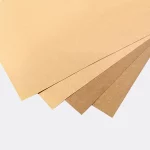
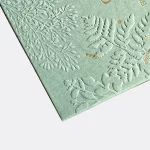
Cardboard and cardstock suit printed bakery presentation, kraft gives a natural paper look, corrugated board can handle rougher handling, and rigid board fits a gift-oriented package. These are material directions described on CPL's cake pop product page, not a promise that one material fits every treat.
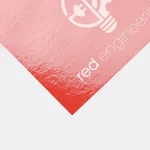
Matte and gloss change surface reflection, while foil and other finish details draw attention to selected artwork. Check the coating, topper, and window against the printed panel before approval. For food-contact use, ask us about food-contact options for your product.
Which cake pop packaging formats should a bakery compare?
Custom cake pop boxes are the direct starting point because the catalog describes upright inserts and adjustable placement. Tall cake boxes give a reference when the topper needs more vertical clearance. Wax packaging offers adjacent ideas for windows, shapes, inserts, and surface choices that can inform a bakery package.
Compare the finished treat, not the product name alone. A short cake pop with a wide topper can need a different cavity from a taller cake pop with a narrow decoration, even when the stick length is similar.
What are the order terms for custom cake pop packaging?
Custom cake pop orders start at 100 units. Pricing is from $0.49 per unit at volume, quoted to spec. Production is typically 8 to 10 business days after proof approval, plus delivery. Free US shipping and free design support are available.
A $19.99 sample kit is credited toward the first order and gives you physical material and finish references. For a bakery launch or smaller operation, review custom packaging for small businesses with the finished cake pop measurements, insert direction, window preference, artwork, quantity, and destination.
Frequently Asked Questions
How can a bakery stop cake pops from shifting in the box?
A fitted insert is the practical starting direction when cake pops must remain upright and separated. Share the finished cake pop, stick length, widest coating, and decoration height so the support can be planned around the real treat. Add a window after the insert layout is clear if customers need to see the decoration.
Should cake pop boxes have a window?
A cake pop box should have a window when customers need to see the decoration before opening, but the window should work with an insert rather than replace it. Check the product height, topper, coating, fold lines, and branding panel together in the digital proof before approval.
Which material should a bakery choose for cake pop packaging?
Cake pop packaging can use cardboard, cardstock, kraft, corrugated board, or rigid board, depending on presentation and handling. Cardboard and cardstock suit printed bakery presentation, kraft gives a natural paper look, corrugated board handles rougher handling, and rigid board fits gift-oriented presentation. For food-contact use, ask Custom Packaging Lane about food-contact options for your product.
How do I measure a cake pop box?
Measure the finished cake pop with the stick and decoration included. Record the widest coating point, tallest decoration, stick length, and orientation inside the package. If an insert holds several pieces, describe the spacing and support method. Size the outer box after the internal arrangement is clear.
What does a custom cake pop order cost and how long does it take?
A custom cake pop order starts at 100 units, with pricing from $0.49 per unit at volume, quoted to spec. Production is typically 8 to 10 business days after proof approval, plus delivery. Free US shipping and free design support are available, and the $19.99 sample kit is credited toward the first order.