










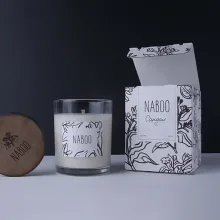
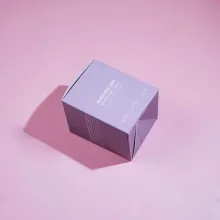
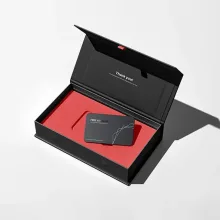
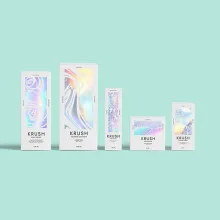



























Packaging ideas for bakery products work better when the line has rules a printer can carry across several formats. A packaging system is a repeatable set of brand mark, product naming, color, typography, material, finish, and panel priorities. Start there, then choose whether private-label packaging, a wax-style surface, or a perforated format fits the product. CPL quotes material, finish, and print choices to spec.
How do you build a bakery packaging idea that can extend across products?
Build the idea around the product family and the way each item reaches the buyer. Cookies, pastries, and boxed assortments may share a logo and color logic, but their panel sizes and opening paths can differ. Keep the brand system steady while letting the package structure do its job.
Write a short rule set before artwork is spread across panels. Put the brand name in a fixed position, define the product-name treatment, assign colors to product groups, and decide where instructions or product details will sit. A repeated rule is easier to check than a promise to make every package feel similar.
| Design element | Keep consistent | Change by product |
|---|---|---|
| Brand mark | Position and treatment | Panel size around the mark |
| Product name | Type hierarchy | Flavor or assortment name |
| Color | Base palette | Product group cue |
| Illustration | Line or image style | Flavor, shape, or seasonal subject |
| Panel order | Reading sequence | Copy length and detail |
Which artwork rules should stay fixed on bakery packaging?
The brand mark, product-name hierarchy, base colors, and panel order should stay fixed when the goal is a recognizable bakery line. The illustration or flavor cue can change without forcing a new visual language for every item.
Give each package a clear first panel. Decide what a person should read before opening the box, then place supporting information on the side or back panel. This matters when one family uses different structures, because a familiar logo position may move when a score or glue tab changes.
How do material and finish change the same bakery design?
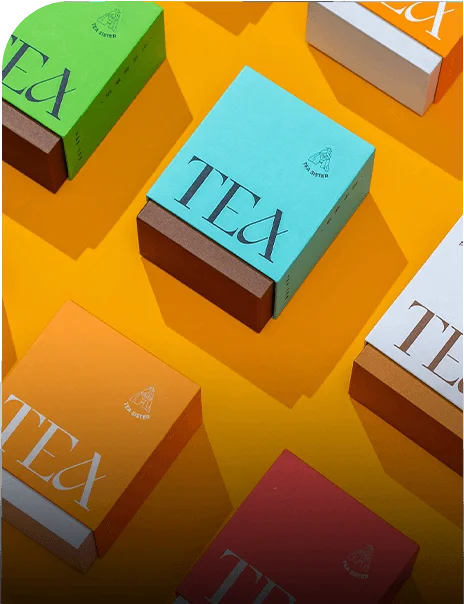
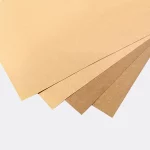
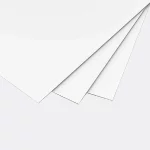
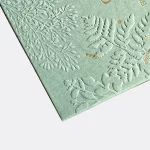
Material and finish change how the same artwork reads. Paperboard is sheet stock that can be printed, cut, scored, and folded into a carton. Kraft paper has a brown fiber appearance; white board gives a lighter base for color. Matte laminate lowers surface reflection, while gloss laminate increases reflection and can make solid color look more pronounced. Foil and spot UV add separate surface effects and need to be placed in the art file.
Do not choose a finish from a screen alone. A digital proof shows artwork placement, not the exact feel of the board or coating. The $19.99 sample kit gives you a physical reference for surface and finish direction. Ask us about food-contact options for your product.
What should you check before printing bakery packaging?
Before printing, check the dieline and the file together. A dieline is the flat cutting template that shows trim, scores, folds, glue tabs, and panel order. Keep type away from scores, extend background art past trim by the printer's standard bleed allowance, and make sure a barcode is large enough to scan at the chosen size. RGB art can shift when converted for press, so check color after conversion.
The digital proof is the last screen file before production. Check the logo, product name, panel sequence, finish callouts, and any window or perforation. A low-resolution image can look fine on a laptop and print soft, so replace it before proof approval.
How can one design direction extend across bakery products?
Use a small set of repeatable layout templates instead of rebuilding every package. Keep the logo treatment, type hierarchy, and base colors fixed, then change the flavor cue, illustration, or product name. If two package structures have different panels, preserve the reading order rather than forcing one artwork file onto both.
This is where custom packaging design support can help organize the brief. Free design support includes drawing the dieline, and a digital proof comes before anything prints. Send the actual product names, sizes, material direction, finish, print coverage, and quantity.
Which CPL packaging pages can help shape a bakery concept?
The private-label packaging page is a useful place to start when several bakery products need one branded direction. Wax packaging gives a paper-led surface reference. Perforated packaging fits a planned tear or opening feature. Read each reference with a specific question: which panel carries the name, which surface gets finish, and where must the product remain visible?
What should go into a bakery packaging quote?
A bakery quote should name the product, package format, dimensions, quantity, material, finish, print coverage, artwork status, and any food-contact question. Those details keep the specification tied to the item instead of a generic box idea.
The MOQ is 100 units. Pricing is from $0.49 per unit at volume, quoted to spec. Production is typically 8 to 10 business days after proof approval, plus delivery. Free US shipping and free design support are available. Send the visual rules with the package specifications, then use the $19.99 sample kit to compare surface direction before approval.
Frequently Asked Questions
How do I turn bakery packaging ideas into a system?
To turn bakery packaging ideas into a system, fix the brand mark, product-name treatment, base colors, typography, and panel order first. Change the flavor cue, illustration, or product name by item. Then adapt those rules to each dieline so the package structure changes without making the product family look unrelated.
What should stay the same across bakery packages?
The brand mark, type hierarchy, base color rules, and reading order should stay the same across bakery packages when recognition is the goal. Product names, flavor colors, illustrations, and copy length can change. The fixed rules give the line a shared structure while the variable cues identify each item.
Does finish change how bakery packaging looks?
Finish changes how bakery packaging reflects light and feels on the surface. Matte reduces reflection, gloss increases it, foil creates a metallic accent, and spot UV adds a localized surface effect. Compare the finish with the board and artwork. A $19.99 sample kit gives a physical reference before approval.
What should I ask before a bakery package touches product?
Ask us about food-contact options for your product before choosing the package interior or material direction. Include the product, package structure, liner or insert plan, and intended handling in the request. The appearance of paperboard, kraft, or a coating does not answer the food-contact question by itself.
What are the starting terms for bakery packaging from CPL?
Custom Packaging Lane starts bakery packaging projects at 100 units. Pricing is from $0.49 per unit at volume, quoted to spec. Production is typically 8 to 10 business days after proof approval, plus delivery. Free US shipping and free design support are available, and the sample kit is $19.99.