


























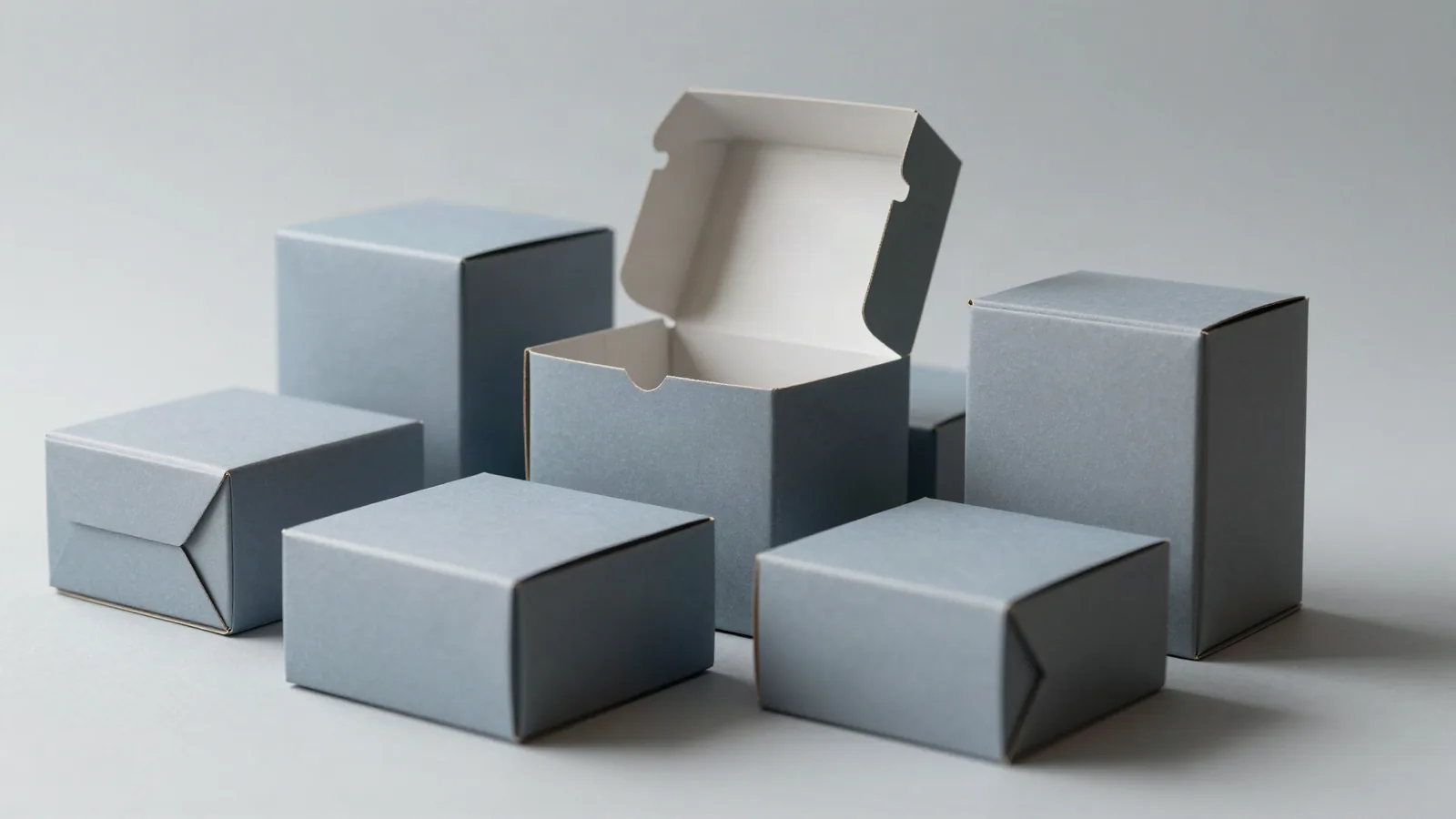




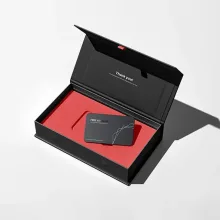

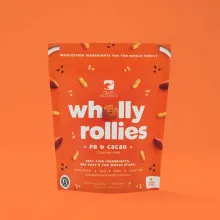

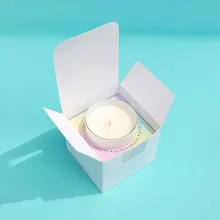



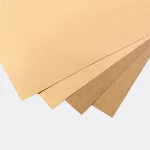

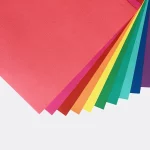


































Bespoke B2B box packaging is a repeatable physical specification for a product family, not only a printed artwork file. The specification needs inside dimensions, board or substrate, structure, print coverage, finish, inserts, pack-out, and shipping scope. When those inputs stay fixed, procurement can compare like with like across replenishment orders.
What should a B2B buyer define before asking for a box quote?
A repeatable quote starts with the product family, packed quantity, inside dimensions, opening sequence, shipping channel, storage conditions, and assembly method. If several SKUs share one structure, mark the panels that change and those that stay fixed. Add the pack-out method, product orientation, and any insert that prevents movement.
SBS and C1S paperboard commonly fall in the 12 to 24 pt range for printed cartons. C1S means coated on one side. Kraft board commonly falls in the 18 to 24 pt range. Corrugated E, B, and C flutes are common shipping references, with 32 ECT used as a board-strength reference. Rigid chipboard commonly measures 1.5 to 3 mm and can be wrapped in 100 to 157 gsm art paper.
Which structures support repeatable B2B pack-out?
Straight tuck end and reverse tuck end cartons use familiar folding sequences, while auto-lock bottom and crash-lock bases change how the carton is erected and packed.
| Structure | Typical use | Check before approval |
|---|---|---|
| Straight tuck end | Folding retail carton | Variable panel and tuck clearance |
| Reverse tuck end | Folding retail carton | Opening direction and closure panel |
| Auto-lock bottom | Carton pack-out | Base support and erection sequence |
| Crash-lock | Locking carton base | Fold sequence and storage before filling |
| Mailer | Parcel shipment | Product restraint and closure panel |
| Sleeve | Outer cover | Inner pack clearance and slide direction |
| Drawer or slide | Reveal or product kit | Tray travel and pull feature |
| Magnetic flap | Rigid presentation | Flap return and closure alignment |
| Two-piece rigid | Lid and base presentation | Interior fit and lid clearance |
| Roll end tuck top mailer | Shipping mailer reference | FEFCO 0427, insert, and closure |
These structures are not interchangeable. Compare pack-out speed, shelf presentation, product restraint, storage, and the need to support several product versions before the dieline is fixed.
How do board and print choices change procurement?
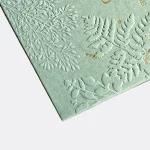
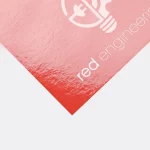
SBS and C1S paperboard carry detailed offset CMYK artwork. Digital printing can suit short runs or version testing, and flexo is common for corrugated shipping packaging. Matte or gloss lamination changes sheen. Soft-touch changes hand feel. Spot UV, foil stamping, embossing, and debossing add separate visual or tactile treatments that need to be marked in the artwork file.
A PET window is a clear plastic film panel, commonly around 0.2 to 0.3 mm. Mylar or foil laminates may combine PET, AL, and PE layers in flexible formats. Select those combinations for the product and use case. Where food contact is relevant, ask us about food-contact options.
How should I compare bespoke box quotes?
Two unit figures are comparable only when the board, inside size, print coverage, finish, tooling, insert, and shipping scope match. State dimensions as length x width x depth and identify them as inside measurements. A common tolerance convention is about 1/16 inch, or 1.5 mm.
For parcel planning, a common US ground dimensional-weight convention is L x W x H divided by 139. This is a planning standard, not a shipping quote. Record carton nesting, storage footprint, quantity breaks, tooling assumptions, and the proof version attached to the approved specification.
Can one structure cover several SKUs?
A shared structure works when the products have compatible footprints, clearances, and opening requirements. Identify variable artwork panels separately from fixed structural panels. Check every packed configuration in proof form, because one outer box does not automatically give every product the same fit or restraint.
What should a B2B packaging specification contain?
The specification should attach product dimensions, a sample or reference package, SKU list, artwork files, approval owner, quantity, pack-out notes, and shipping destination to one quote. The wholesale custom packaging hub is a useful route for that purchasing workflow. Catalog references include private label packaging, , wine box packaging, and seed packaging.
Commercial planning starts at a 100-unit minimum. Pricing is from $0.49 per unit at volume, quoted to spec. Production typically takes 8 to 10 business days after proof approval, plus delivery. Free US shipping, free design support, and a free dieline are available. Request the $19.99 sample kit, credited to the first order, when the team needs a physical check of construction, fit, or finish.
Frequently Asked Questions
What should a B2B packaging quote identify?
A comparable B2B packaging quote should state board family and caliper, structure, inside dimensions, print coverage, finish, inserts, tooling, quantity break, and shipping destination. It should also identify the artwork version and proof status. For several SKUs, separate fixed structural elements from variable graphics so procurement reviews equivalent constructions.
What is C1S paperboard?
C1S paperboard means coated on one side. A common printed-carton reference is 12 to 24 pt, while kraft board commonly falls in the 18 to 24 pt range. The coated face carries artwork, and the uncoated side changes the inside surface. Choose the board with the fold pattern, product weight, and required print surface in view.
What does FEFCO 0427 describe?
FEFCO 0427 is a reference for a roll end tuck top mailer structure. The format uses a formed corrugated body with a tuck top, so the quote should still identify inside dimensions, flute, closure, insert, and pack-out method. A code names the structure family, but it does not replace the product-specific dieline.
Why use inside dimensions on a box quote?
Inside dimensions show the space available to the product and insert. State length x width x depth, then identify the measurements as inside values. About 1/16 inch, or 1.5 mm, is a common planning tolerance, but board caliper, folds, wrapped edges, and the actual packed product still need a physical fit check.
Can digital printing work for a B2B box program?
Digital printing can suit short runs, version testing, or a program with several artwork files. Offset CMYK is commonly used for detailed paperboard graphics, while flexo is common for corrugated shipping packaging. Compare print coverage, board, finish, quantity, and proof requirements together because the printing route is only one part of the specification.