






























































Noodle box suppliers should receive a structure brief, not only a picture of a gable carton. Describe the filled serving, the way it enters the box, the closure, the carryout path, and whether the box will travel through parcel handling. A dieline is the flat cutting template that shows cuts, scores, panels, glue areas, windows, and fold direction before printing.
What should I compare when sourcing noodle boxes?
The filled serving and its carryout path decide whether a gable, tuck, tray, or mailer deserves the first sample. Note the product dimensions, arrangement, liner or insert, filling motion, pickup method, and storage position. A gable top changes the hand position. A tuck closure changes the fold sequence. A sleeve puts an inner container inside an outer wrap.
Put the same brief in front of each supplier. A shape that looks right on screen can still bulge when filled, pinch the lid, or leave too much movement around the serving.
Which materials are common references for this format?
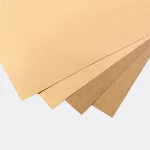
Kraft and coated paperboard change the surface before any finish is added. Kraft board commonly falls in the 18 to 24 pt range. SBS means solid bleached sulfate paperboard. C1S and C2S mean coated one side and coated two sides, and these paperboards commonly fall in the 12 to 24 pt range.
| Material or feature | Typical industry reference | What to inspect |
|---|---|---|
| Kraft board | 18 to 24 pt | Surface tone, ink contrast, folds, and base stiffness |
| SBS, C1S, or C2S paperboard | 12 to 24 pt | Printed surface, panel rigidity, and coating plan |
| Corrugated board | E, B, or C flutes, with 32 ECT as a common reference | Parcel handling, footprint, and flute direction |
| PET window | 0.2 to 0.3 mm | Window position, patch area, folds, and visibility |
| Flexible laminate | PET, AL, and PE layers | Layer order when a pouch or liner is part of the brief |
These are typical industry references. Kraft prints differently from coated white paperboard. A PET window changes the cut line and patch area, so include it before the dieline is prepared.
Which closure works for packing and carryout?
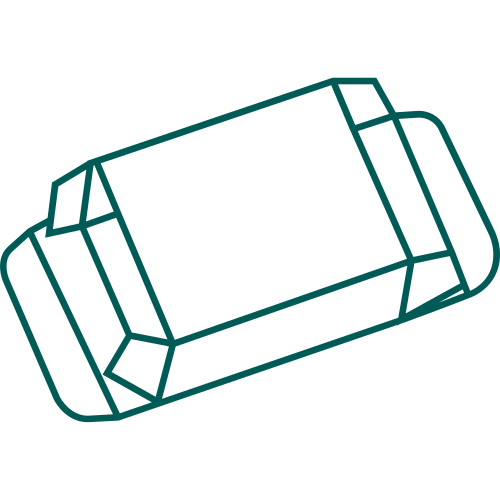
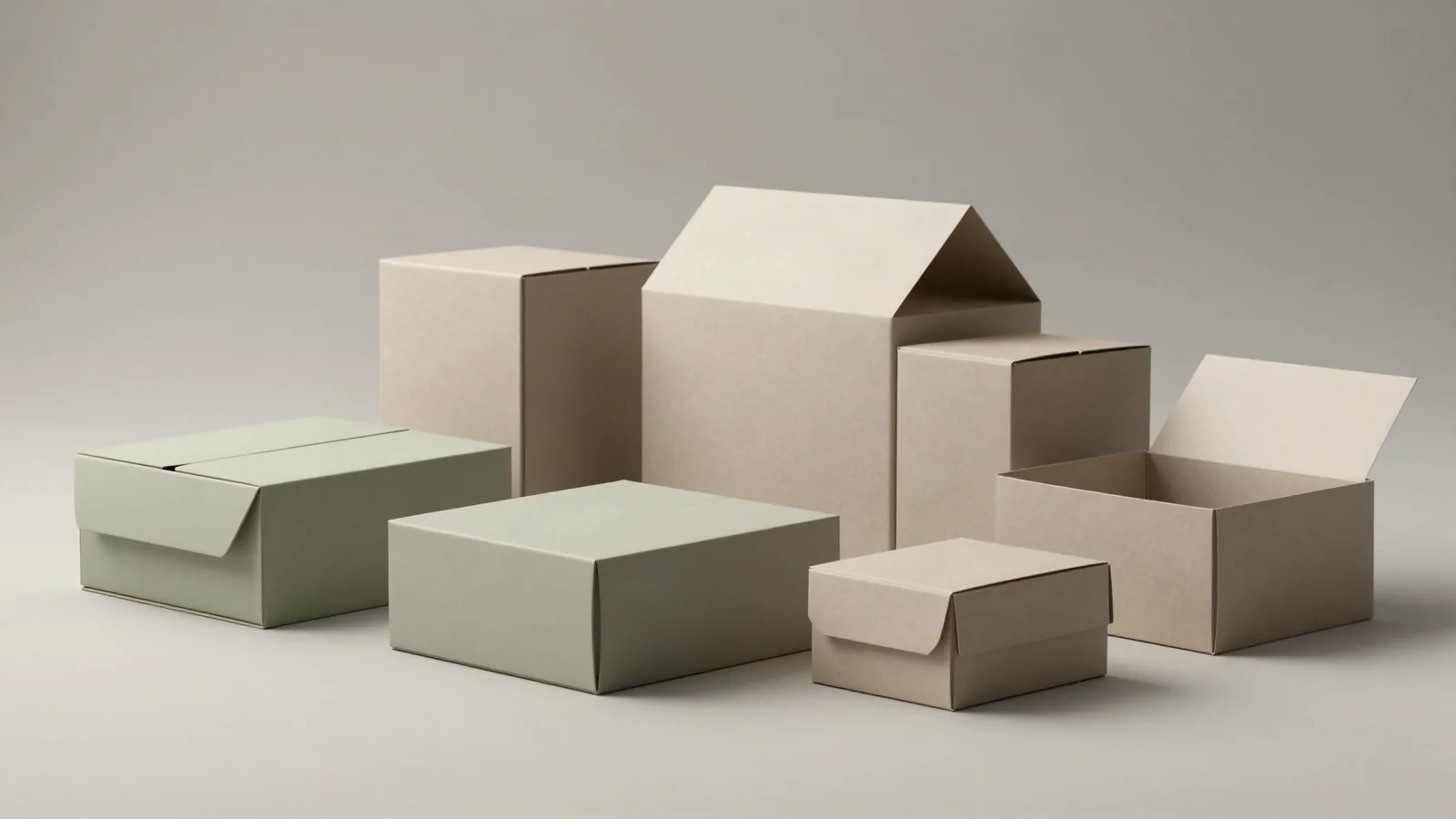
A gable top changes how the filled box is lifted; a tuck closure keeps the top profile lower. Straight tuck end and reverse tuck end cartons use a familiar fold sequence. Auto-lock and crash-lock bottoms change base setup and support.
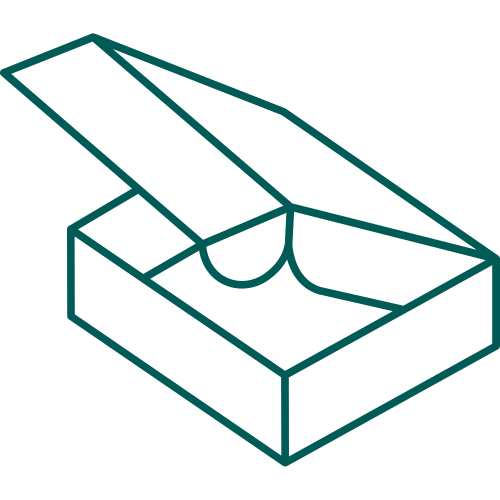
A roll end tuck top mailer is a parcel-oriented reference, and FEFCO 0427 is a standard code commonly used for that structure. A sleeve can sit over an inner tray or container. Compare the closure with the actual packing motion, not an empty flat sheet.
- Compare a gable opening when the top shape and carryout handle are part of the brief.
- Compare a tuck closure when staff need a clear fold sequence.
- Check an auto-lock or crash-lock base when bottom setup affects packing.
How should I think about dimensions?
Inside cavity dimensions must account for the filled serving and every item that stays in the box. State the assembled box as length x width x depth and use inside measurements for the serving cavity. About 1/16 in (1.5 mm) is a common tolerance reference, subject to the material and structure.
Test the filled package with the liner, tray, sauce container, chopsticks, or insert. Look for bulging, lid interference, shifting, and a handle or panel that is awkward to carry. If the box will ship, record packed exterior dimensions too. A common US ground planning reference uses L x W x H / 139 for dimensional weight.
Which print and finish choices suit a noodle box?
A broad ink area behaves differently on kraft than on coated white board. Offset CMYK is common for detailed paperboard artwork, digital printing can suit short runs, and flexo is common for corrugated packaging. Matte or gloss lamination changes glare and the way printed color reads under lights.
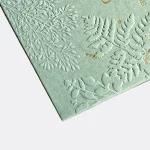
Soft-touch changes hand feel. Spot UV, foil stamping, embossing, and debossing can emphasize a logo or panel, but opening instructions and product information need clear space. If the package touches the product directly, ask about food-contact options before the board, coating, laminate, window, liner, or finish is fixed.
Which CPL product pages can help me compare formats?
The direct format reference is the custom noodle boxes page, while nearby product pages show other structures. Wine box packaging gives a comparison for vertical clearance and printed panels. Shoe box packaging offers a larger carton reference for closure and footprint. Chocolate tin boxes show a metal-container direction.
What should I ask before choosing a supplier?
Give every candidate the same filled dimensions, closure brief, artwork direction, and shipping destination. Ask which structure fits the serving, which board or liner belongs in the material brief, and how the closure behaves during filling, stacking, pickup, or parcel handling.
- Which inside dimensions fit the filled serving or container?
- Which board, liner, laminate, or window details belong in the brief?
- How will the closure behave during filling, stacking, pickup, or shipping?
- Which print process and finish preserve readable panels and useful contrast?
- What sample or dieline check will show fit before proof approval?
Compare candidates against the same physical questions. The filled sample should show clearance, product movement, base support, handle comfort, and panel placement.
The project starts at a 100-unit minimum and is quoted to spec. Pricing is from $0.49 per unit at volume, quoted to spec. Production is typically 8 to 10 business days after proof approval, plus delivery. Free US shipping, free design support, and a free dieline are part of the brief. The $19.99 sample kit is credited toward the first order. Compare custom packaging for small business and request the sample kit after documenting the filled dimensions.
Frequently Asked Questions
What dimensions should a noodle box supplier receive?
A noodle box supplier needs the filled serving's inside length, width, and depth, plus the liner, tray, sauce container, chopsticks, or insert that stays in the package. Also record the assembled outer length, width, and depth when the box will ship. Those two measurement sets expose clearance, closure, bulging, and packed footprint issues.
Is a gable carton the only noodle box shape?
A gable carton is one option, not a universal answer. Its raised top changes carryout and hand clearance, while a straight tuck, reverse tuck, auto-lock, crash-lock, sleeve, or mailer changes filling and closure. Choose the structure after testing the filled product, the staff packing motion, and the way the box will be carried or shipped.
When should I ask about food-contact options?
Ask about food-contact options before the board, coating, laminate, window, liner, or adhesive is fixed when the package touches the product directly. Describe the food format and every separator in the construction. A familiar noodle-box shape does not prove that every material choice suits every use.
Which board gives a noodle box more body?
Kraft board in the 18 to 24 pt range gives a different surface and fold response from SBS, C1S, or C2S paperboard in the 12 to 24 pt range. Corrugated E, B, or C flutes and 32 ECT are shipping references, not interchangeable folding-carton grades. Compare the packed load, folds, base, and handling path together.
Does parcel shipping change the structure?
Parcel shipping adds an outer-dimension and contact question. Record the packed length, width, and height, then use L x W x H / 139 as a common US ground dimensional-weight planning reference. Compare the result with void space, stacking, closure strength, and surface contact, then confirm the shipment-specific carrier treatment.