




























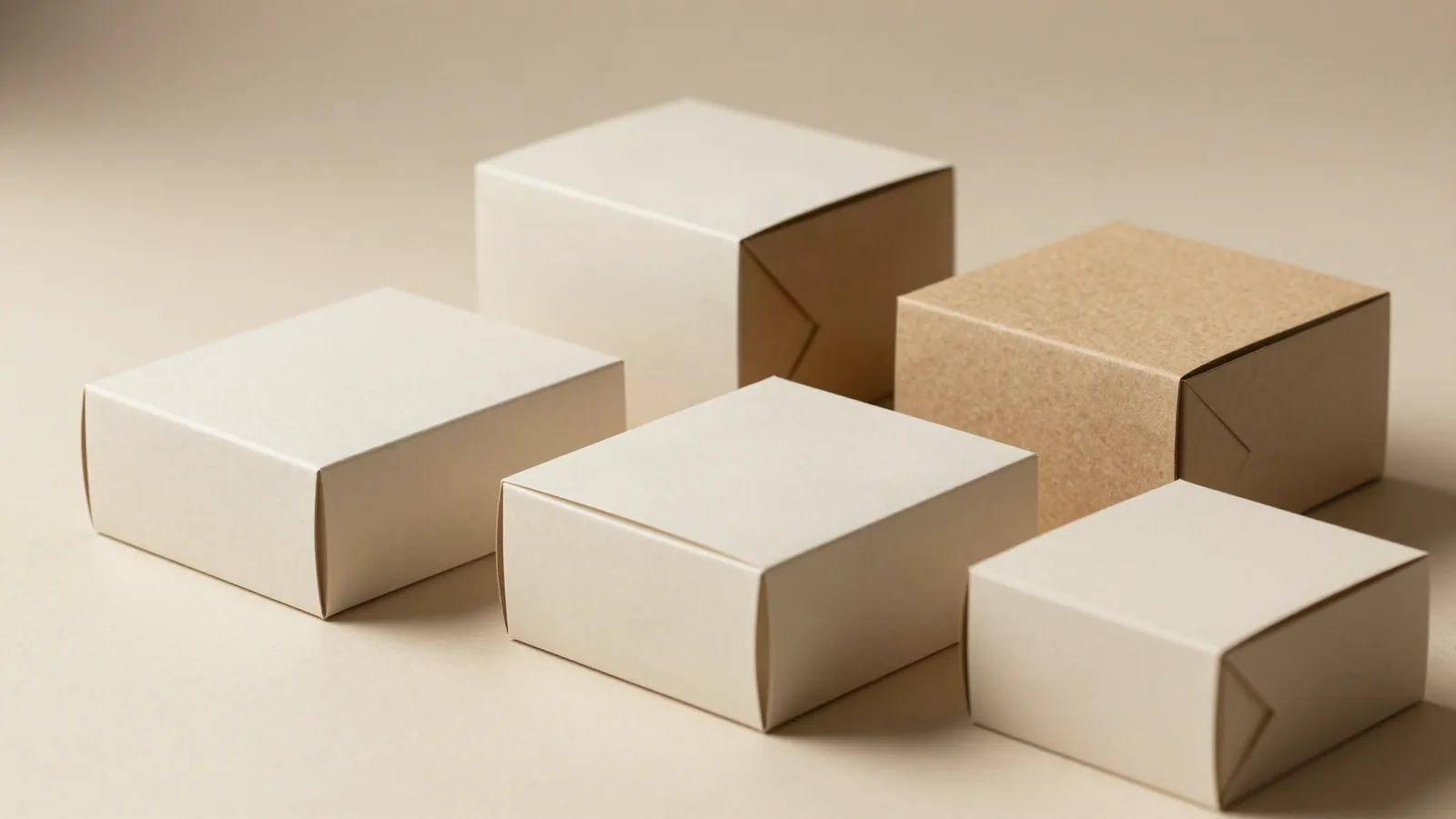




















































Zen packaging is a design direction, not one box style. It uses calm panel hierarchy, limited visual noise, deliberate touchpoints, and an opening sequence that is easy to read. A dieline is the flat cutting template used to print and cut the package. Products such as wine box packaging, wax packaging, towel packaging, and seed packaging can use different structures while sharing the same visual rules. For planning the artwork and structure, see custom packaging design.
What does zen packaging mean in practical terms?
Start with one focal face, a defined reading order, and an opening motion that does not need explanation. Decide which panels carry the product name, instructions, secondary copy, and handling information. Empty space is useful only when the remaining information still reads at the counter and after delivery. A quiet layout still needs a clear loading path and a closure that is easy to find.
| Design element | Common zen direction | Specification to define |
|---|---|---|
| Panel hierarchy | One focal face with supporting side information | Logo position, reading order, and safe areas |
| Material surface | Natural board, wrapped rigid stock, or quiet laminate | Board, caliper, paper wrap, and sheen |
| Opening motion | Slow reveal, simple tuck, or guided tray lift | Closure, hinge, tray, and removal direction |
| Touchpoint | Subtle contrast rather than many effects | Soft-touch, foil, emboss, deboss, or spot UV area |
Which materials create a calm visual base?
SBS, C1S, and C2S paperboard are commonly discussed in the 12 to 24 pt range for folding cartons. C1S has one coated printable side, while C2S has coated surfaces on both sides. Kraft board is commonly around 18 to 24 pt and keeps a natural surface direction. Rigid packaging uses chipboard commonly around 1.5 to 3 mm, wrapped in 100 to 157 gsm art paper. Cotton canvas commonly falls in the 8 to 12 oz range, and non-woven polypropylene commonly falls in the 80 to 120 gsm range. Surface, caliper, and product handling should agree.
Which structure supports a measured reveal?
A sleeve over a tray reveals the product in stages, while a straight tuck end or reverse tuck end carton gives a direct opening. An auto-lock bottom or crash-lock base can support setup without adding visual noise. Two-piece rigid, magnetic flap, drawer or slide, pillow, and gable structures each change the lid, tray, fold, or removal path. Use a rigid box when the presentation needs a defined lid, tray, or drawer relationship.
How can print and finishes stay restrained?
Offset CMYK suits detailed paperboard graphics, while digital printing is commonly considered for short-run concepts or artwork that is still being refined. Matte or gloss lamination changes sheen, and soft-touch changes the hand feel. Spot UV can isolate one symbol or line of copy. Foil stamping, embossing, and debossing can create a single focal detail. A PET window is commonly around 0.2 to 0.3 mm where product visibility is part of the concept, so map its patch, folds, seams, and safe zones on the dieline.
How should zen packaging work beyond appearance?
The opening should be obvious without a search for the seam. Product removal should leave the remaining presentation in place. Put instructions where the buyer can find them, and keep stickers or inserts from covering the focal panel. Test the assembled package with the actual product and accessories, then check the loading path, inside fit, and closure as one sequence. The package should be calm to look at and clear to use.
What should I include in a zen packaging brief?
The brief should show the product, the set composition, and the opening sequence before the visual treatment is finalized.
- Product, set composition, orientation, and opening experience.
- Primary material, surface direction, and any wrapped or soft component.
- Focal panel, quiet panels, information areas, seams, and safe zones.
- Finish areas, with each effect marked functional or decorative.
- Tray, sleeve, insert, lid, or drawer relationship at full scale.
- Delivery destination and intended handling route.
Keep the design language consistent, but let each product keep its own fit. Review private-label packaging when related products need one brand system, and keep the actual product dimensions at the center of the brief.
Custom Packaging Lane quotes zen packaging from a 100-unit minimum, from $0.49 per unit at volume, quoted to spec. Production is typically 8 to 10 business days after proof approval, plus delivery. Free US shipping and free design support are available, including a free dieline. The $19.99 sample kit is credited toward the first order. Compare materials and opening directions before requesting a quote.
Frequently Asked Questions
Is zen packaging a specific box style?
Zen packaging is a visual and tactile direction, not a specific box style. A folding carton, sleeve and tray, rigid box, pouch, or soft package can follow it when the hierarchy, copy, opening motion, and finish plan stay restrained. Define the product and handling first, then choose the structure that supports the intended opening.
Which colors and finishes suit a restrained package?
A restrained package starts with the brand palette and the material surface, then assigns one focal detail. Matte or gloss lamination changes sheen, soft-touch changes feel, and spot UV, foil stamping, embossing, or debossing can isolate a mark or create relief. Keep the finish map away from folds, glue zones, and information that must remain easy to read.
Can zen packaging include a product window?
Zen packaging can include a PET product window when seeing the product is part of the opening plan. PET windows are commonly around 0.2 to 0.3 mm where suitable. Place the window with the product position, patching area, folds, seams, and safe zones visible on the dieline. Keep the clear panel purposeful.
How do I make a zen package easy to use?
A zen package is easier to use when the opening direction is obvious, the product comes out without disturbing the remaining presentation, and instructions sit where they can be found. Review the actual product, insert, lid, sleeve, tray, and closure together. Calm graphics do not compensate for a confusing loading or removal path.
What products can use a zen packaging direction?
Zen packaging can suit products such as wine, wax, textiles, seeds, accessories, and private-label sets because the direction comes from hierarchy, material, touch, and opening logic. Share the item dimensions, required information, intended handling, and preferred structure so the design can be translated into a practical dieline.












