

























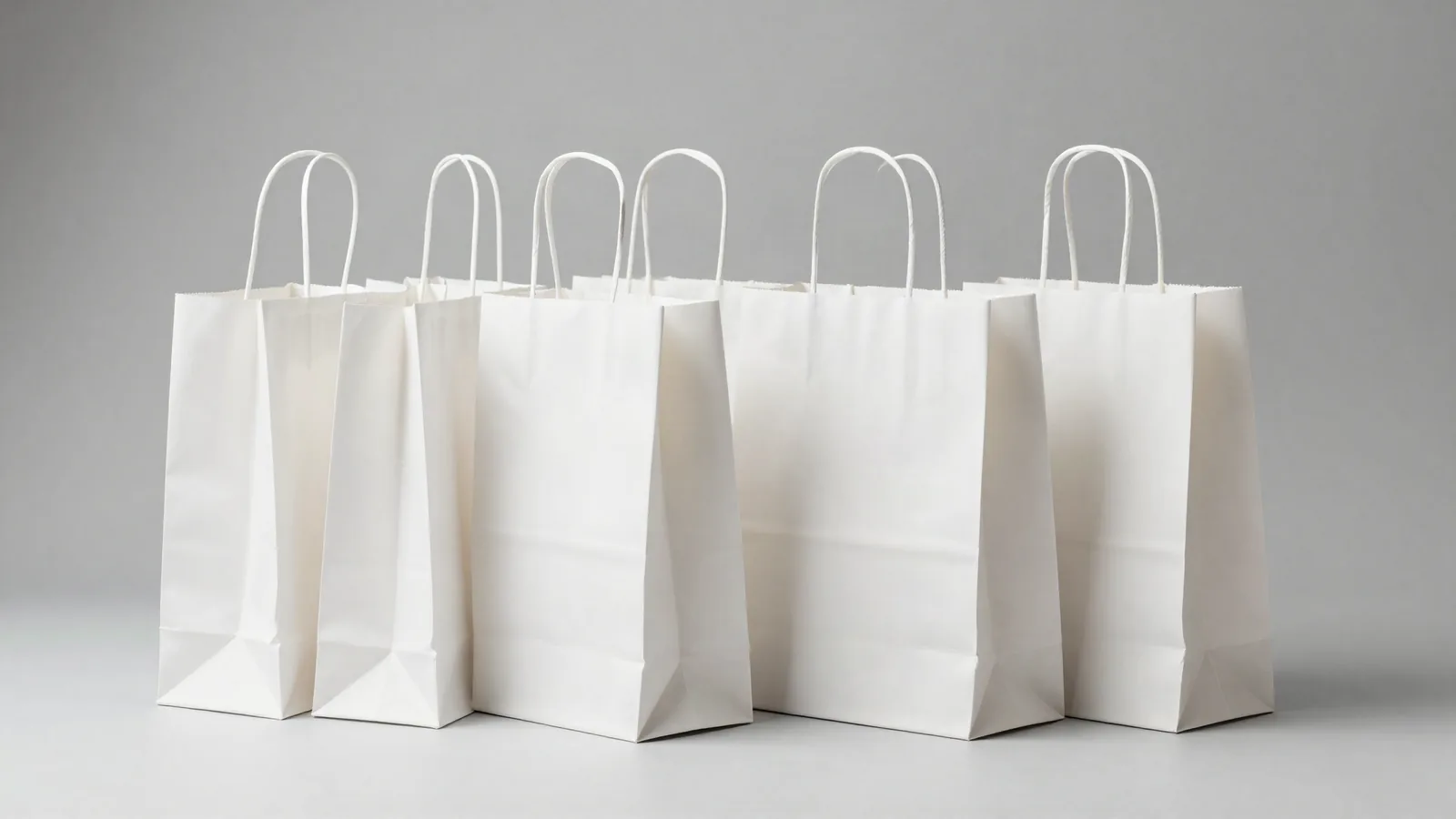



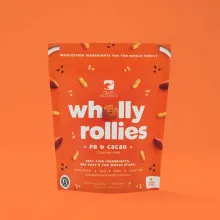



































A custom vacuum bag is flexible packaging made from a laminate, a bonded stack of film layers that gives the bag its print surface, barrier, seal surface, and handling properties. The finished width, length, opening, seal, closure, and filled shape all belong in the same brief. A blank bag can look right on a screen and still leave too little fill space or seal area once the product is inside.
What should a custom vacuum bag specification define?
Finished width and length set the outline, but the usable fill area starts inside the seal. State the seal location, opening edge, flat or gusseted format, and whether the bag needs a zipper or another closure. Mark the surfaces that carry print and the areas that must remain clear for sealing.
The custom Mylar vacuum-seal bags page is the closest product reference for this format. If the filled product changes shape inside the bag, send a drawing or physical reference. The package should be sized around the filled shape, not the empty film.
Which laminate construction should I compare?
PET, aluminum, and PE perform different jobs inside a flexible laminate. A metallized film layer can block light, moisture, and odor transfer. PET commonly supplies a printable film surface and stiffness, while PE commonly supplies the heat-seal surface. The actual layer order still needs to match the bag format, seal method, and intended barrier.
| Construction question | Common industry reference | What to confirm |
|---|---|---|
| Flexible barrier laminate | PET / AL / PE layers | Layer direction, seal method, print surface, and required barrier |
| Stand-up pouch width | Commonly 3 to 7.5 in wide | Fill volume, gusset, closure, and display footprint |
| Window material | PET windows, commonly 0.2 to 0.3 mm | Window placement, seal clearance, and artwork boundary |
| Surface treatment | Matte or gloss lamination | Visual finish and how the printed surface should read |
These are general industry references, not a universal bag construction. A film stack that works for one format can fail on another if the seal layer, gusset, opening, or closure changes.
How do bag dimensions affect the seal plan?
A flat width and length do not describe usable fill space until the seal, opening, and gusset are marked. State whether each measurement is flat, inside the seal, or across the outside edge. A bag needs room for the filled product and a defined seal area.
For a stand-up format, identify the base gusset and how the pouch should sit. For a flat vacuum bag, focus on the fill area, opening, seal position, and the way the finished pack will be handled. If the product has corners or changes shape under vacuum, the drawing should show those points.
How should custom printed vacuum bags handle artwork?
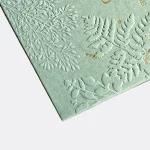
The print map should show every panel and every area that must remain clear. Flexographic printing, a plate-based process used for flexible films, is common for flexible packaging artwork, while digital printing can suit short runs or an artwork test. Matte or gloss lamination changes the surface direction. Spot UV, foil stamping, embossing, and debossing belong in the brief only when the converting plan supports them.
Keep critical artwork away from the seal, opening, gusset, and closure area. RGB art can shift when converted for press, low-resolution files can soften small type, and missing bleed can leave a hard edge after trimming. Define the front, back, side, and bottom panels before preparing the print file.
Should the bag sit inside a secondary package?
A carton or sleeve changes the fit problem because the filled bag, not the empty film, must fit the outer package. Compare custom Woozy bottle boxes when the outer pack needs to hold a shaped filled item. custom vial boxes give another compact outer-format reference, while show a flexible package direction. These references do not replace the bag's laminate and seal specification.
What should I check before approving a bag proof?
Seal width, opening edge, gusset, closure, clear areas, and filled dimensions deserve a line-by-line check before approval.
- Check finished dimensions, fill area, seal location, opening edge, and closure.
- Confirm laminate layers, surface direction, and window placement.
- Review artwork orientation on every printable panel and around the gusset.
- Mark clear areas for seals, zippers, folds, notches, and handling features.
- Check product fit with a real component or dependable product drawing.
- State quantity, delivery destination, and whether secondary packaging is included.
How do I request a custom vacuum bag quote?
A quote starts with a specification that names the laminate and finished format, not a product nickname. Send the filled dimensions, seal plan, opening, closure, print panels, artwork status, finish, quantity, destination, tooling needs, and shipping scope. Ask us about food-contact options for your product when that use case applies.
Custom Packaging Lane quotes custom vacuum bags to spec from a 100-unit minimum. Pricing is from $0.49 per unit at volume, subject to laminate, dimensions, print coverage, closure, quantity, tooling, and shipping scope. Production is typically 8 to 10 business days after proof approval, plus delivery. The order includes free US shipping, free design support, and a free dieline. The $19.99 sample kit is credited to the first order. Start with custom packaging solutions when the bag needs to fit a wider package system.
Frequently Asked Questions
What layers are common in flexible vacuum packaging?
A common flexible reference is a laminate with PET, AL, and PE layers. PET can provide a printable film surface, aluminum can add barrier against light and moisture, and PE commonly supplies the heat-seal surface. Select the layer combination around the required barrier, seal method, converting process, print surface, and finished format.
How should I measure a custom vacuum bag?
State the finished width and length, then explain whether the measurements are flat, inside the seal, or outside the edge. Mark the fill area, opening, seal location, gusset, and closure. If the product changes shape inside the bag, provide a dependable drawing or physical reference for the fit discussion.
Can a vacuum bag have a clear window?
A vacuum bag can use a clear window when the format and laminate plan allow it. PET windows commonly use a 0.2 to 0.3 mm reference range. Define the window location, seal clearance, artwork boundary, and viewing area in the dieline so the clear section does not conflict with the closure or fill.
Should I choose a flat bag or stand-up pouch?
Choose a flat bag when the priority is a defined fill area and seal plan. Choose a stand-up pouch when a base gusset and display footprint belong in the format. Stand-up pouches commonly fall in the 3 to 7.5 in width range, but the filled product determines the useful dimensions.
What artwork details matter for printed vacuum bags?
Printed vacuum bag artwork should show the front, back, side, and bottom panels, plus the seal, opening, gusset, closure, and any clear window. Keep important artwork outside functional areas. State the print method and surface finish, then check orientation, bleed, and panel boundaries on the proof.