
































































A custom airtight bag is a flexible package whose film layers, seals, opening, and filled shape must be specified together. Buyers searching for airtight bag custom options should start with the contents and the way the bag will be filled, opened, stored, and handled. The word airtight describes the intended function, not a result that can be assumed from the name alone. If the contents contact the film, ask us about food-contact options for your product.
What makes a custom airtight bag specification useful?
The filled product gives the specification its starting point. State the fill condition, opening frequency, storage path, and handling. Then choose a flat, gusseted, pillow, or stand-up structure and mark the opening edge, heat-seal area, tear feature, zipper, notch, and clear zones. A flexible laminate is a bonded stack of film layers, so layer order affects the print surface, seal behavior, and barrier discussion. Provide a physical product reference or dependable drawing when the fill has a fixed shape.
| Specification area | Typical industry reference | Buyer check |
|---|---|---|
| Flexible laminate | PET / AL / PE layers | Layer order, print surface, seal direction, and barrier need |
| Stand-up pouch width | 3 to 7.5 in | Filled footprint, base gusset, face width, and opening position |
| Clear window | PET, 0.2 to 0.3 mm | Window location, patch area, seal clearance, and artwork boundary |
| Surface treatment | Matte or gloss lamination | Sheen, scuff visibility, print contrast, and finish location |
Which closure and structure should I compare?
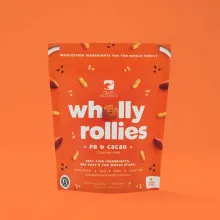
A flat bag suits a low-profile fill, while a stand-up pouch adds a bottom gusset for an upright format. A pillow bag has a different seal map from a side-gusseted bag. A zipper can sit above the fill line, below a header, or inside a folded top. Compare the opening motion and heat-seal map with the filled item before the front panel is designed. are a real catalog reference for a flexible pouch direction, but the closure still needs to match the product.
How should I size the filled bag?
Give finished width and length, then state whether each measurement is flat, taken at the outside edge, or the usable interior. Mark the fill area, headspace, seal width, gusset depth, and opening clearance. A flexible bag changes shape after filling, so outside dimensions alone may not describe the cavity. Show the front and back when the product has a fixed orientation, and compare any rigid component with the usable bag area rather than assuming the bag will settle evenly.
How should artwork work around the seal and laminate?
Map the front, back, side folds, bottom, zipper track, heat seals, tear feature, and clear areas before placing type or graphics. Digital printing can suit short runs or artwork tests. Flexographic printing uses plates for the ink colors and is a separate process comparison for flexible-film production. The process choice needs the quantity, artwork, and film details, so request the relevant options when the run is near the process crossover.
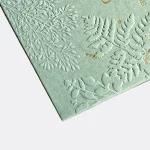
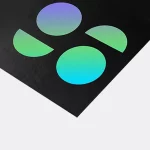
Matte or gloss lamination changes the surface, while foil stamping, spot UV, embossing, or debossing may require a converting plan that fits the selected film. Keep instructions away from folds and functional seals. A clear window belongs on the artwork map from the start, with its viewing area and seal clearance marked. At a press check, compare the front panel, window edge, seal position, and color areas against the approved proof.
Can a flexible bag be paired with an outer package?
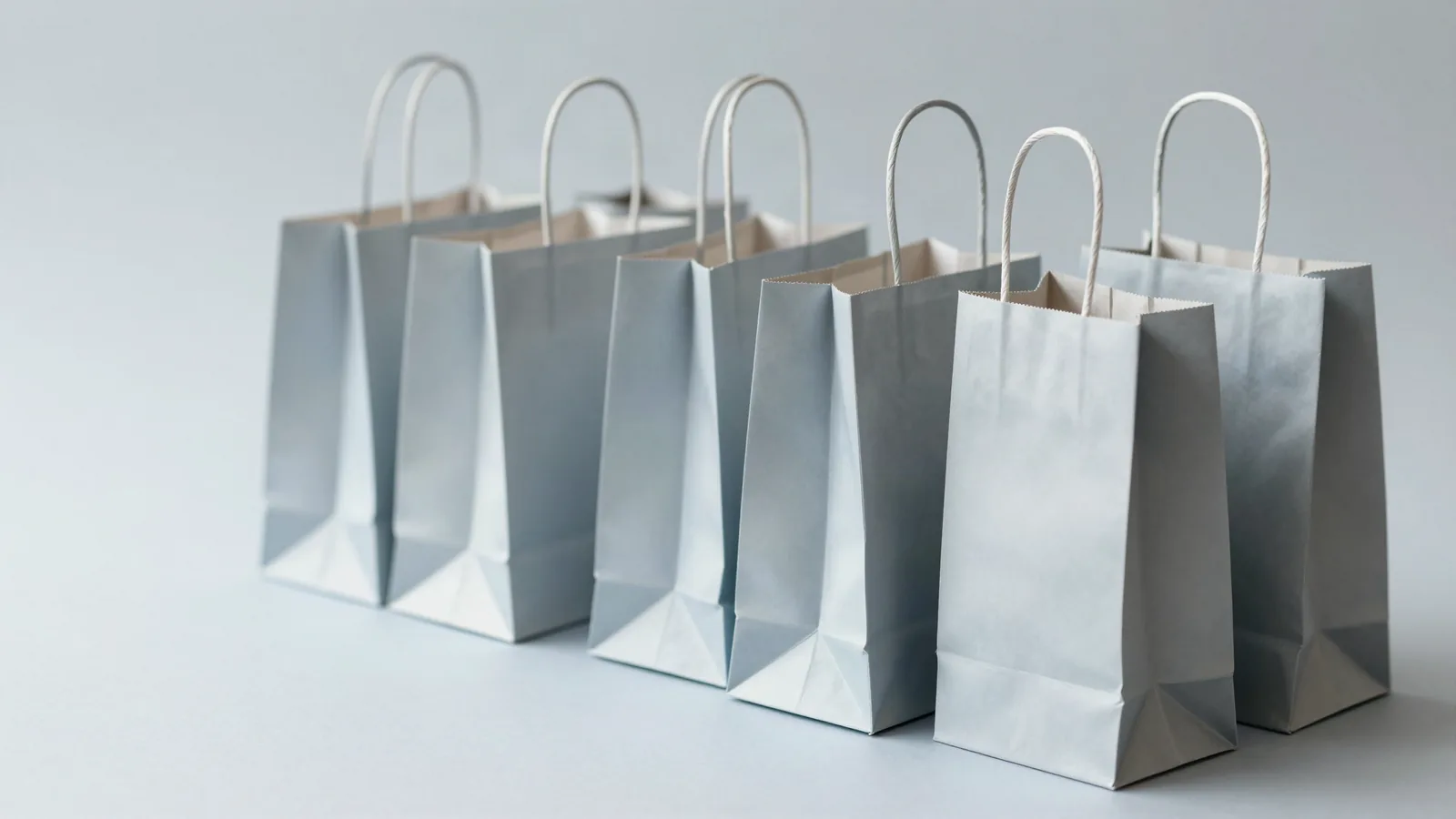
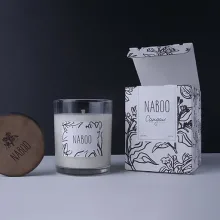
A filled bag can sit inside a carton, sleeve, or display structure, but the outer package must allow the flexible shape to settle without distorting its panels. Custom vial boxes give a reference for an organized carton direction. Custom woozy bottle boxes show a rigid package planned around a defined footprint. A custom white paper bag is a separate carrying-format comparison when a sealed film cavity is not the main requirement.
What should I check before approving the bag proof?
Check the filled bag alongside the flat artwork. Confirm these points:
- Filled width, length, usable cavity, headspace, opening edge, and seal position.
- PET, AL, PE, or foil layer questions and the intended print surface.
- Zipper, notch, tear feature, gusset, window, folds, and clear zones.
- Artwork orientation on each panel, including the area affected by the gusset.
- Finish locations and their distance from functional seals and folds.
- Fit against a real component, product drawing, or filled package mockup.
Custom Packaging Lane quotes custom airtight bags from a 100-unit minimum, with pricing from $0.49 per unit at volume, quoted to spec. Production is typically 8 to 10 business days after proof approval, plus delivery. Free US shipping and free design support are available, and a free dieline is drawn for the bag. The $19.99 sample kit is credited toward the first order. Start with custom packaging solutions when the bag needs to coordinate with an outer package.
Frequently Asked Questions
What laminate layers are common for flexible bags?
A common flexible packaging reference is a laminate with PET, AL, and PE layers. PET can act as the print-facing layer, AL is the metallized barrier layer, and PE is commonly used as a sealant layer, but the actual layer order must be specified for the bag. The word Mylar alone does not specify the complete laminate construction.
How should I measure a custom airtight bag?
State finished width and length, then label each measurement as flat, outside edge, or usable interior. Mark the fill area, opening, seal location, gusset, headspace, and closure. A flexible bag changes shape after filling, so provide a dependable product drawing or physical reference when the item has a fixed profile.
Can a custom bag use a stand-up format?
A stand-up pouch adds a bottom gusset so the filled bag can sit upright. Typical stand-up pouch widths are 3 to 7.5 in, but width does not determine capacity by itself. Confirm the filled footprint, base depth, opening height, zipper position, and usable front panel before selecting the bag size.
How should a clear window be planned?
Map the clear window with the laminate, patch area, seals, and artwork before the bag file is finished. PET windows commonly use a typical 0.2 to 0.3 mm reference. Define the viewing area, window location, seal clearance, and graphic boundary in the dieline so the window does not conflict with the zipper or critical package information.
What artwork details matter most on a flexible bag?
Flexible-bag artwork should show the front, back, side folds, bottom, opening, heat seals, zipper, tear feature, and window. Keep important type and instructions outside functional areas, then check panel orientation on the proof. State whether the intended process is digital, flexographic, or another suitable method, and confirm how matte, gloss, foil, or raised effects interact with the selected film.