




































































How should a doughnut box fit the pickup routine?
The handoff path decides the box opening, label face, and clearance around the assortment. Decide whether staff load it at a counter, carry it to an event, place it in a delivery bag, or prepare it as a gift. Each path changes the useful exterior surface and the way filled boxes are staged.
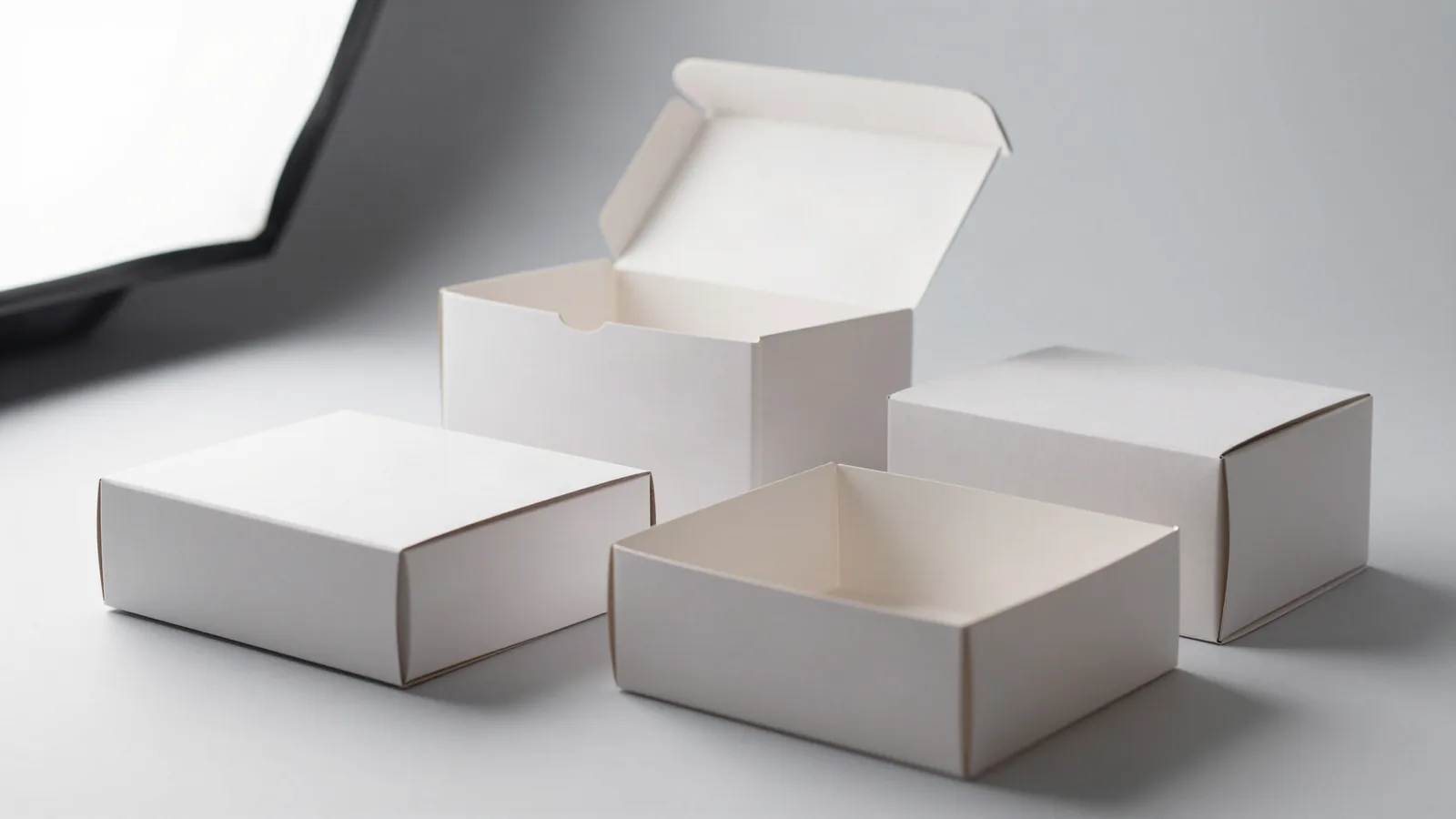
Write the product arrangement before artwork starts. A single row, mixed assortment, or separated flavors may need different cavities and clearances. If a liner sits between the doughnuts and the carton, include the liner in the inside measurements. A dieline is the flat cutting template used to print, crease, cut, and fold the box. We draw it from the product dimensions and send a digital proof before anything prints.
| Service point | Package decision | Physical check |
|---|---|---|
| Order assembly | Open access and product orientation | Can staff load the assortment without turning the box? |
| Pickup staging | Visible identifier area | Can the order code stay readable when boxes are stacked? |
| Customer handoff | Secure closure and clear top face | Can the filled package be carried with one hand? |
| Delivery transfer | Compatibility with a carrier bag or shipper | Does the filled package remain stable during movement? |
What should go on the staff-facing panel?
A visible identifier panel needs the brand name, flavor or assortment, quantity, order code, and a short handling note. Keep it on a face staff can see before opening the box. Labeling duties still depend on the product and sales channel, so treat the layout as an information plan, not a substitute for checking them.
Mark the label zone, folds, glue areas, and closure panels on the dieline. If staff add a sticker or handwritten note, test it on the assembled box. A field that looks clear on a flat artwork file can become hard to find after folding, stacking, or placement inside a carrier.
How can a bakery test a doughnut box before approving artwork?
A filled trial run exposes problems that a flat file hides. Use the intended assortment and run one box through the actual handoff. One person loads and closes it. Another identifies the order, moves it to staging, carries it, and opens it. Watch the corners, closure, top face, and identifier.
Check the art file before the sample. Low-resolution images soften at print size. RGB art can shift when it is converted for press. Type set too close to a score can become hard to read, and missing bleed leaves an exposed edge after cutting. The digital proof is the place to catch those faults.
Which board and finish references suit a doughnut box?
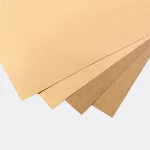
SBS or C1S paperboard in the 12 to 24 pt range is a common industry reference for a folding carton. C1S means coated on one side. Kraft board in the 18 to 24 pt range gives the carton a different surface and print direction. Rigid chipboard is a separate construction, commonly 1.5 to 3 mm, wrapped in 100 to 157 gsm art paper.
Offset CMYK suits detailed paperboard graphics, while digital print can suit short-run concept checks. Matte or gloss lamination changes sheen and surface feel. Soft-touch, spot UV, foil stamping, embossing, and debossing each need a location on the proof, especially near folds and small staff-facing fields. If the package or liner may touch the doughnuts, ask us about food-contact options for your product.
How should doughnut box dimensions be recorded?
Write length x width x depth, then label every figure as an inside or outside measurement. Measure the filled assortment, liner, tray, or insert instead of the empty box. About 1/16 in, or 1.5 mm, is a common tolerance reference, but the final clearance depends on the product arrangement, folds, and closure.
Check the secondary carrier at the same time. If several boxes travel in a delivery carton, test their orientation and empty space together. E-flute, B-flute, and C-flute are corrugated profiles with different thickness and stacking behavior. 32 ECT, an edge crush test reference, belongs to the outer shipping layer, not automatically to the retail box.
Which catalog references help with the handoff?
Chocolate tin box packaging gives a gift-oriented reference. Custom bags for business covers the carrier layer after the box is closed. Shoe box packaging gives a larger folding-carton proportion to compare. For broader planning, see custom packaging for small business.
Commercial quotes start at a 100-unit minimum. Pricing is from $0.49 per unit at volume, quoted to spec. Production typically takes 8 to 10 business days after proof approval, plus delivery. Free US shipping and free design support are available, and the $19.99 sample kit is credited toward the first order. Send the product arrangement, inside dimensions, label plan, artwork status, and destination.
Frequently Asked Questions
How should I describe the doughnut assortment?
A doughnut box brief should state the count, row or grid arrangement, mixed flavors, liner, and filled inside dimensions. The box needs clearance around the actual assortment rather than an empty outline. Include the opening direction and carrier bag or shipper if the filled box will move after pickup.
What should staff inspect on an assembled doughnut box?
Staff should inspect loading, closure, label visibility, stacked orientation, carrying, and reopening with the intended assortment inside. Look for crushed corners, a hidden identifier, or a closure that needs a second adjustment. The assembled sample exposes handling problems that a flat artwork file cannot show.
Can the box include flavor and order information?
A doughnut box can reserve a visible panel for the brand, flavor or assortment, quantity, order code, and a handling note. Keep those fields visible after closure and in the pickup stack. The layout does not replace checking labeling duties for the product and sales channel.
What paperboard range is common for a folding doughnut carton?
SBS or C1S paperboard in the 12 to 24 pt range is a common industry reference for folding cartons. Kraft board commonly falls in the 18 to 24 pt range. The final board depends on the footprint, folds, load, liner, and finish, so check the assembled box with the real assortment.
What should I send for a doughnut box quote?
Send the product arrangement, filled inside dimensions, liner details, opening and closure preference, label plan, artwork status, and destination. State whether the box is handed over at a counter, carried to an event, or placed in a delivery bag. Ask us about food-contact options for your product when relevant.