











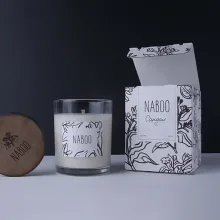
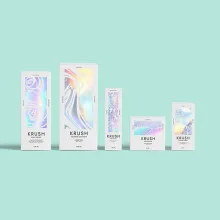





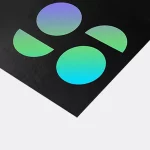
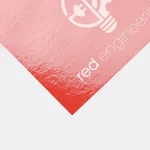





























Waterproof cardboard is usually a shorthand for paperboard or corrugated board with a surface treatment that resists water better than untreated paper. It is not a promise that the whole box can sit in water. A box has faces, cut edges, scores, glue joints, and a closure. Water can reach those parts even when a printed face has a coating.
Can you waterproof cardboard?
You can make cardboard more moisture resistant with an AQ finish, poly-coat, or wax-lamination, but no single coating makes every box waterproof in every exposure. The quote should name the board, coated faces, exposed edges, closure, and intended handling.
Exposure is the first practical split. Humidity affects a stored box differently from condensation, a splash, or direct contact with water. A carton that only needs a protected printed face may need AQ. A package facing repeated moisture needs a deliberate board and coating review.
What is an AQ coating on cardboard?
AQ, short for aqueous coating, is a water-based finish applied over a printed surface. It dries on the face, changes the sheen, and gives the printed panel more resistance to light scuffing and light moisture. AQ does not wrap raw edges or close a glue joint, so it is a face treatment rather than a waterproof shell.
Is poly coated cardboard waterproof?
Poly-coated cardboard has a polymer layer on one or more board faces. That layer reduces direct contact between water and the treated paper surface. A poly-coated cardboard box can still admit moisture through an uncoated edge, fold, cutout, or seam, so ask which surfaces are treated and how the closure is built.
Is a wax coated box moisture resistant?
A wax-coated box can be moisture resistant because wax reduces wetting of the treated paper fibers. Wax-lamination bonds a wax layer to the board, and the result depends on coverage and construction. Wax on a glue flap can change adhesive contact, while heavy wax coverage can change how ink sits. Test the fold and closure in the actual box format.
Which cardboard coating fits the exposure?
Match the coating to the surface and exposure you described, then review the entire box rather than one coated panel.
| Option | Material action | Practical check |
|---|---|---|
| AQ finish | Water-based coating over a printed face | Printed faces, sheen, and raw edges |
| Poly-coat | Polymer layer on selected board faces | Coated faces, folds, seams, and closure |
| Wax-lamination | Wax layer bonded to the board | Printing, glue flaps, scores, and coverage |
| Uncoated board | Paper fibers remain exposed | Dry storage, handling, and closure |
Why do seams and edges matter on a water-resistant box?
Edges and seams are where a coating may stop. A cut edge exposes paper fibers, a score breaks the surface, and a glue flap depends on contact between materials. If condensation or splashing is expected, ask about seam coverage, closure direction, and whether the package has a liner or insert that keeps the product away from damp board.
Keep the moisture statement narrow. A coated face describes a surface. Moisture resistant describes a selected construction. Waterproof should be reserved for a specification that addresses the full package and its actual exposure.
Which CPL products should I compare?
Kraft cardboard boxes are a useful reference when the project starts with paper-based board and a natural visual direction. For a printed retail format, compare custom cardboard cereal boxes and ask how the selected surface treatment will affect artwork and handling. If the package uses a tubular structure, cardboard tube packaging gives you another construction to discuss with the coating choice.
What are the order terms for coated cardboard?
The MOQ is 100 units. Pricing is from $0.49 per unit at volume, quoted to spec. Production is typically 8 to 10 business days after proof approval, plus delivery. Free US shipping and free design support are available. The $19.99 sample kit is credited toward the first order and can give your team a physical surface to inspect before proof approval.
What should I send for a coated cardboard quote?
Send the product, packed dimensions, box style, board preference, printed faces, expected exposure, closure, quantity, artwork status, and delivery destination. Say whether the concern is humidity, condensation, splash contact, or a wet surface. CPL's custom packaging solutions page is the planning route when the box structure and coating need to be reviewed together.
Ask for the chosen board and coating to appear in the quote and digital proof. That gives the approved job a concrete construction to follow and gives your team a clear package to approve.
Will waterproof shipping boxes survive rain in a parcel network?
Rain performance has to be established on a closed, loaded shipping box because abrasion, drops, stacking, and panel flex can open moisture paths that a coated flat sheet does not reveal. Map the route by exposure event: wet loading dock, damp trailer floor, uncovered doorstep, or repeated contact with other parcels. Then test the longest credible exposure rather than calling the package waterproof from its face coating alone.
Record whether the carton travels by itself, inside a bag, or within another shipper. Compare custom shipping boxes with custom folding shipping boxes using the same loaded product, closure, label, and route. Inspect bottom seams and leading corners first because those areas meet wet surfaces and handling impacts.
How can you test water resistance on a finished cardboard box?
A converted, printed sample gives the most useful package check because scores, adhesive, ink coverage, and closure are present together. The Cobb test in TAPPI T 441 is an industry method for measuring water absorbed by a paper or board specimen over a defined area and interval. Its result describes the tested material, not the assembled box.
| Check | Subject | Observation to record |
|---|---|---|
| Cobb test | Board surface | Mass change per tested area |
| Packed spray trial | Closed package | Staining, softening, edge lift, and panel distortion |
| Drop after exposure | Wet handled pack | Corner damage and closure retention |
| Compression after conditioning | Stacked package | Panel bow and loss of top-load performance |
Photograph the same panels before and after each trial, follow the named standard where one is used, and inspect the packed item as well as the outer surface. Approval samples should carry the intended board, print coverage, coating, adhesive, and converting pattern.
Which corrugated wall works for a moisture-exposed shipping box?
B or C flute is commonly evaluated when distribution cushioning and stacking matter, while E flute offers a finer face for compact printed mailers. Typical calipers are about 1.5 mm for E flute, 3 mm for B flute, and 4 mm for C flute, with mill construction affecting the finished wall. Keep any 32 ECT requirement in a separate performance field from the water-resistance result.
Kraft liners tend to make scuffs less conspicuous, while white-top liners give printed graphics a brighter base. Corrugated liners commonly receive flexographic ink. Evaluate the liner, flute, coating, closure, and box geometry as one build because a thicker wall cannot compensate for an exposed seam or a weak wet corner.
What artwork details fail first on coated cardboard?
Small type across a score, a barcode near a cut edge, and heavy ink beside a glue area are common failure points. RGB files can shift during press conversion, while low-resolution logos can break up at final size. Keep required marks clear of cuts, scores, and seams, and show coated faces plus uncoated adhesive zones on the dieline.
Matte and gloss lamination change sheen and rub behavior, but they should not be treated as proof of a waterproof package. Use the digital proof to check panel order, label position, and artwork coverage. For projects joining structure and surface treatment, review custom packaging solutions. A sample kit can help compare board feel and finish direction before a production-intent moisture trial.
Frequently Asked Questions
Can cardboard be waterproofed for shipping?
Cardboard can be made more moisture resistant for shipping with AQ, poly-coat, or wax-lamination, but the complete box still needs review. Coated faces, cut edges, scores, glue joints, and closures do not all behave the same way. Tell CPL whether the package will face humidity, condensation, splashes, or direct water contact before selecting the construction.
What is AQ coating on a cardboard box?
AQ coating, short for aqueous coating, is a water-based finish applied over a printed cardboard surface. It can protect the printed face from light scuffing and light moisture, but it does not seal raw edges, scores, or glue joints. Ask CPL to identify the coated faces and finish in the quote and proof.
Does poly coating cover the whole box?
Poly coating does not automatically cover every part of a cardboard box. The quote should identify which board faces receive the polymer layer and how folds, cut edges, seams, and the closure are handled. A poly-coated cardboard box can resist moisture at treated surfaces while exposed construction details remain part of the review.
What makes a wax coated box moisture resistant?
A wax-coated box is moisture resistant because the wax layer reduces wetting of treated paper fibers. Coverage and construction still matter. Wax on a glue flap can change adhesive contact, and heavy wax coverage can change how ink sits. Ask CPL to review the board, fold, closure, and expected exposure as one package.
What do I need to request coated cardboard?
A coated cardboard request should include the product, packed dimensions, box style, board preference, printed faces, moisture exposure, closure, quantity, artwork status, and destination. State whether you need face protection or a broader moisture-resistant construction. CPL can then compare AQ, poly-coat, and wax-lamination against the actual box format.