




















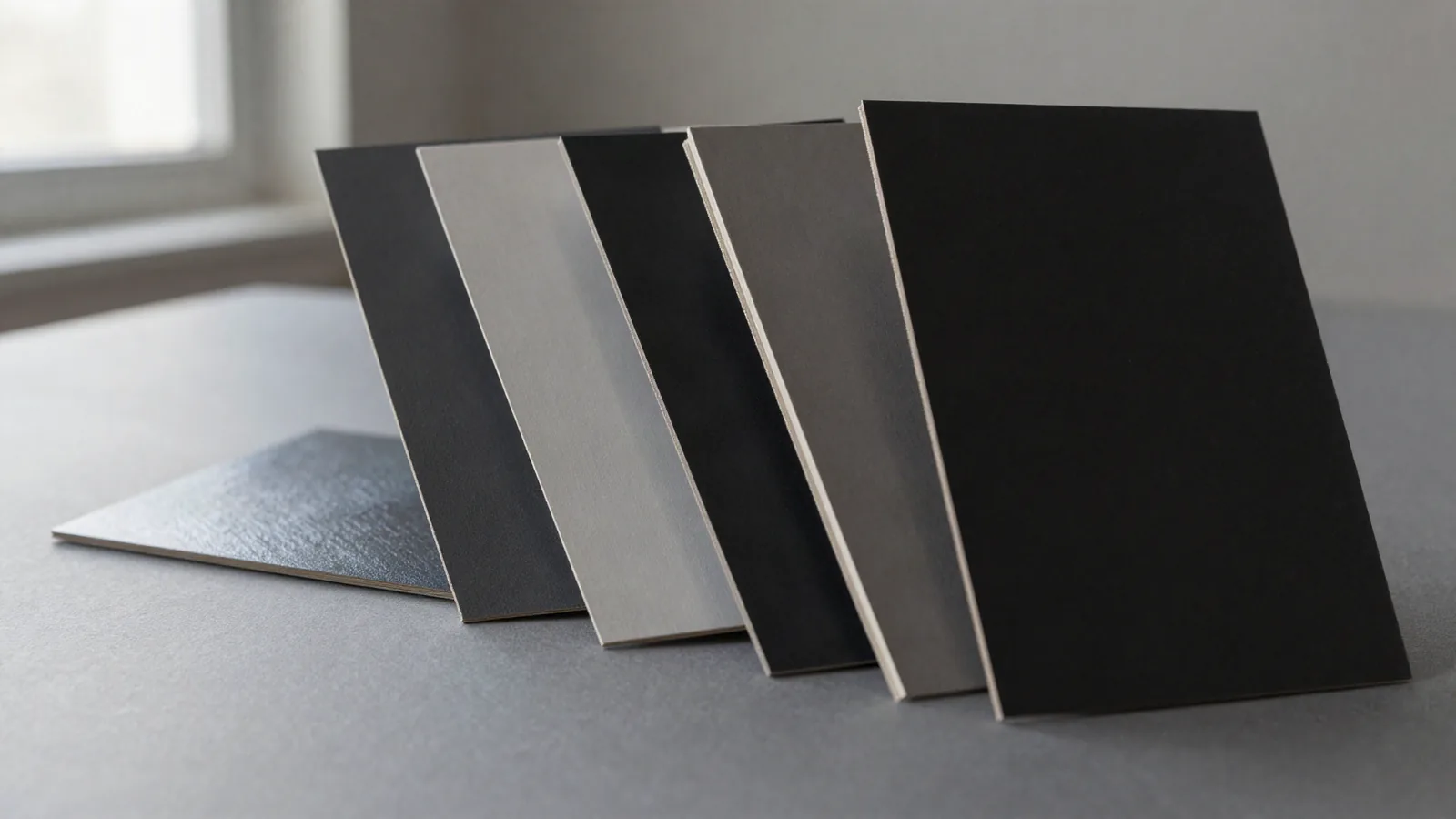



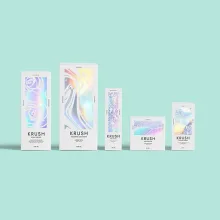
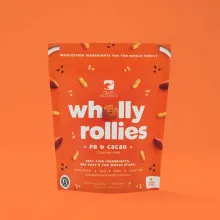
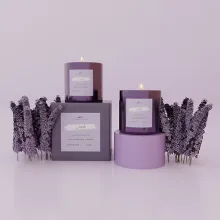
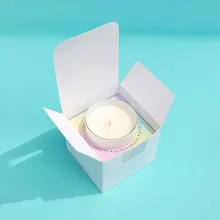





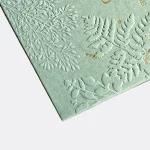
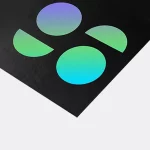
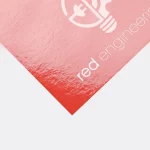






























Waterproof coating for cardboard means a production surface treatment selected for a board and a moisture condition. Poly-coat puts a polymer layer on the board. Wax uses a wax barrier. Varnish changes selected printed areas. Film lamination adds a film layer. Buyers searching coating cardboard, how to make cardboard water resistant, how to weatherproof cardboard, water resistant box coating, or poly coated cardboard boxes need a complete construction, not a finish name alone.
Water reaches the parts a broad label hides: cut edges, scores, seams, corners, closures, and openings. Put those areas in the dieline conversation.
What does a water resistant box coating actually do?
A coating or film slows moisture contact at the treated surface and changes the printed feel. The assembled box still has uncoated transitions and folds. A coating is part of the specification; it is not a substitute for checking the structure.
| Option | What it changes | Planning check | Production route |
|---|---|---|---|
| Poly-coat | Polymer-coated board surface | Which face needs the barrier and what mil thickness is quoted? | Production option |
| Wax coating | Wax barrier and different surface feel | How will heat, folding, and surface handling affect the choice? | Production option or small prototype |
| Varnish or spot UV | Selected surface areas and print appearance | Is the goal local protection, contrast, or both? | Production finish |
| Film lamination | Film layer over printed board | How will edges, folds, and moisture exposure be handled? | Production option or careful DIY |
A mil is one-thousandth of an inch, the unit used for film or coating thickness. CPL's material and finish directions include poly-coated boards, wax coating, gloss and matte lamination, aqueous coating, and spot UV. The quoted mil thickness belongs to the selected substrate and coverage. Ask for that line with the board, treated face, folds, and intended exposure. Do not carry a thickness from one board to another.
Which cardboard thickness should carry the coating?
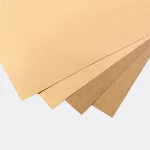
Board weight and coating thickness are separate specifications. Point is board thickness, while GSM means grams per square meter, a paper weight measure. CPL's material selector includes 14pt (300 GSM), 18pt (350 GSM), and 24pt (460 GSM). Corrugated options include E-flute at 1.5mm and B-flute at 3mm. E-flute is thinner and prints finer detail. B-flute is thicker and provides more stacking strength. A heavier board is not automatically the right water resistant box.
Can you make cardboard water resistant at home?
DIY methods can make a craft prototype more resistant for a limited use, but they do not create a production specification. Common methods include brushing melted wax, applying waterproof spray, using a PVA and water mixture, painting clear acrylic, or working with fiberglass resin. Coverage can break at folds and seams, and drying, odor, and edge behavior vary by method. Never use a home coating to claim tested outdoor performance or a confirmed product-contact use.
Which CPL boxes can use a coating conversation?
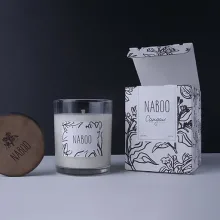
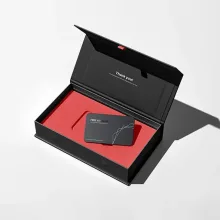
Kraft cardboard boxes are a useful starting point when the surface and natural board appearance both matter. Custom cardboard jewelry boxes frame a presentation-led finish decision. For a gift format, compare custom cardboard gift boxes. If the package must organize a product inside a drawer structure, inspect custom cardboard drawer boxes and ask how the coating should work across the moving parts.
What should you send for a cardboard coating quote?
A useful coating quote names the packed product, finished dimensions, board type, moisture exposure, exposed edges, closure, print coverage, preferred coating or laminate, quantity, and destination.
- State whether moisture comes from splashes, condensation, storage, shipping, or another source.
- Name the requested poly-coat, wax, varnish, or laminate direction.
- Point out seams, windows, openings, folds, and closures.
- If the package may touch a product, ask us about food-contact options.
- List the surface details you want to inspect before proof approval.
The MOQ is 100 units. Pricing is from $0.49 per unit at volume, quoted to spec. Production is typically 8 to 10 business days after proof approval, plus delivery. Free US shipping and free design support are available. The custom packaging solutions hub is a broader starting point. The $19.99 sample kit lets you compare board feel and surface appearance. The sample kit is credited toward the first order.
Frequently Asked Questions
Which cardboard coating should I choose?
The cardboard coating should match the board, moisture source, duration, folds, seams, exposed edges, and print surface. Poly-coat, wax, varnish, and film lamination create different constructions. Ask for the selected coating with its substrate, treated face, quoted thickness, and intended use instead of choosing a finish by name alone.
Does wax make cardboard water resistant?
Wax can create a moisture barrier on cardboard and can also be used for a craft prototype. Its result depends on coverage, heat, folds, seams, surface feel, and intended use. Treat wax as a specific coating direction, not proof that an assembled box is suitable for prolonged wet exposure.
How are poly-coat and lamination different?
Poly-coat describes a polymer-coated board surface, while lamination describes a film layer applied over the selected surface. Both must be checked with the board, print, folds, edges, seams, and exposure. The production specification should identify the treated face and quoted thickness for the selected construction.
Can varnish weatherproof a cardboard box?
Varnish can change the surface and protect selected printed areas, but it should not automatically be described as full waterproofing. Spot UV or varnish may suit local finish and contrast. For broader moisture resistance, discuss the board, poly-coat or lamination, full box structure, and intended exposure.
What is the MOQ for coated cardboard boxes?
The MOQ for coated cardboard boxes is 100 units. Pricing is from $0.49 per unit at volume, quoted to spec. Production is typically 8 to 10 business days after proof approval, plus delivery. Free US shipping and free design support are available. The $19.99 sample kit is credited toward the first order.