



















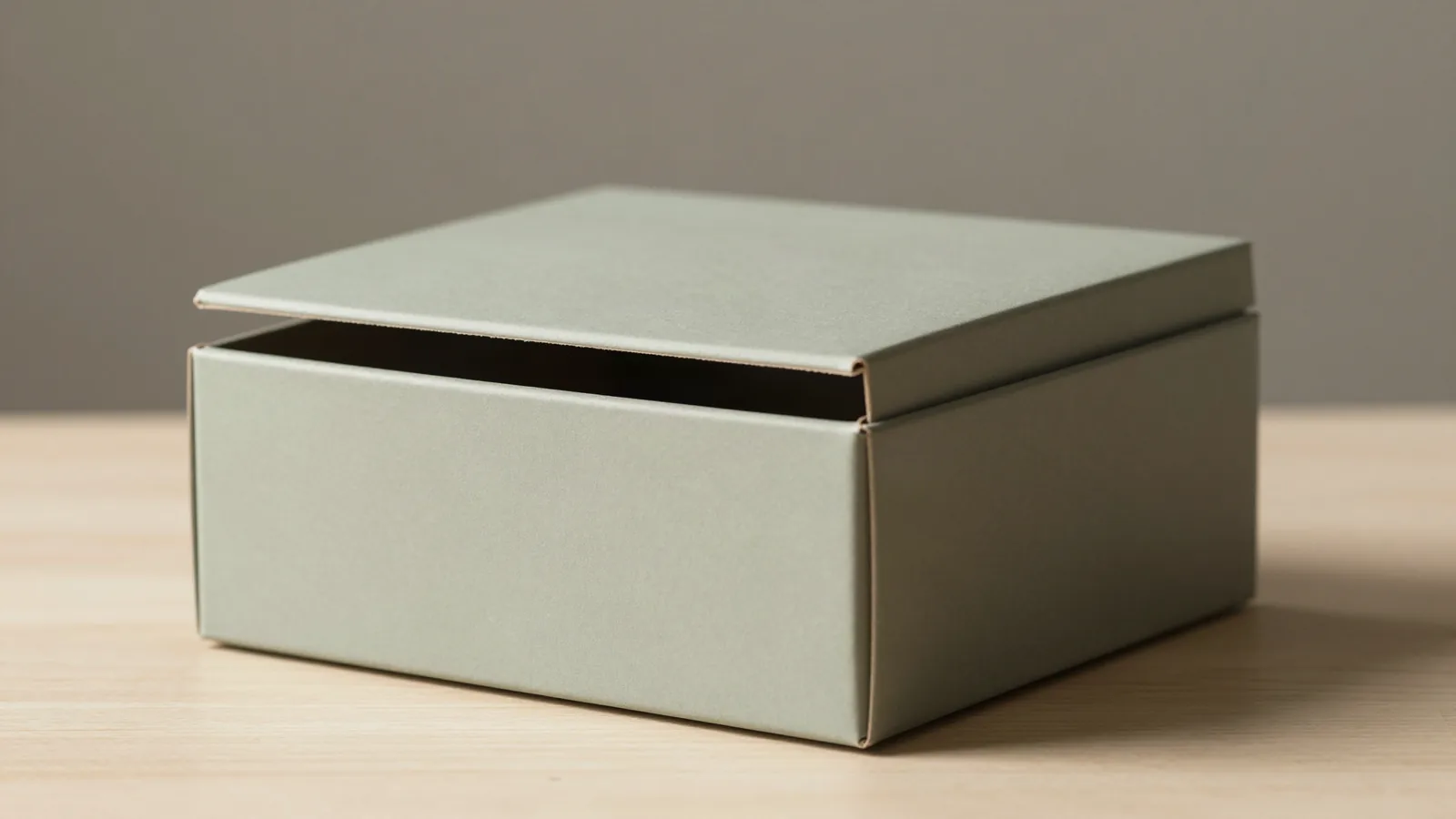













































Rigid boxes are built around chipboard, a stiff paperboard core that holds a box shape, then covered with printed wrap and assembled into the requested format. That construction is different from a folding carton, which is cut and creased for flat shipment. Custom rigid box production depends on the body, lid, base, tray, sleeve, and closure named in the proof.
How are rigid boxes made?
Rigid boxes are made by preparing chipboard pieces for the body and components, cutting the printed wrap, fixing the wrap around the board, and assembling the finished parts. The wrap covers the visible surfaces and turns around the board edges. A lid, base, tray, sleeve, or magnetic closure adds its own panel order and fit. The production record needs the component names before assembly starts.
| Build element | Physical job | What the proof should show |
|---|---|---|
| Chipboard core | Holds the rigid body and component shape | Panel layout, board pieces, and box style |
| Printed wrap | Covers the outside surfaces and carries artwork | Panel order, outside face, and print direction |
| Turn-in | Brings wrap around board edges | Edge coverage, corners, and fold notes |
| Lid and base | Set the opening movement and fit | Lift direction, overlap, and component names |
| Sleeve or tray | Holds or surrounds the product | Product position, insert relationship, and packout |
| Closure | Controls how the box opens and closes | Magnetic or other closure position and motion |
How does rigid box construction differ from a folding carton?
Rigid box construction uses wrapped chipboard and an assembled structure, while a folding carton uses a cut-and-creased sheet that folds during packing. The difference changes how the board is prepared, how the printed surface is aligned, how the finished box is stored, and how the product enters the package. The quote should name the build because a folding carton dieline cannot stand in for a rigid box assembly.
Where does the dieline fit in rigid box production?
A dieline is the flat cutting template used to plan panels, edges, folds, and cut lines. A rigid box project may need separate component drawings for the body, lid, tray, sleeve, and printed wrap. Check the outside face, turn-ins, corners, closure, and product position on the proof. If an insert holds the product, draw it against the packed item so the product does not rattle inside an empty-looking space.
How do lid, tray, and sleeve choices change the build?
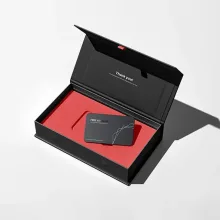
A lid changes the lift motion, a tray changes how the product sits, and a sleeve changes the outer relationship around the rigid body. Each part adds a separate panel direction, artwork area, and assembly step. A magnetic closure adds another opening detail. These are construction choices, not decoration added after the box is drawn.
Ask how the finished boxes will be nested in a master carton and palletized for delivery. That question belongs in the packout discussion because assembled rigid boxes occupy space differently from flat cartons. The selected product position and component fit should be checked before the proof is approved.
Which CPL products show different rigid box builds?
Rigid printed boxes are the broad wrapped-chipboard reference. Rigid boxes with sleeve and tray show a multi-component build, while rigid boxes with magnetic closure show a closure-led opening. Wine box packaging and shoe box packaging show product-specific presentation directions.
Can a sample clarify the construction?
The $19.99 sample kit can help you handle a wrapped surface, feel the chipboard structure, and compare lid, base, sleeve, or tray relationships before proof approval. Use the sample to describe the opening motion and product position you want. The selected digital proof remains the production reference, but physical handling often exposes a fit or orientation issue early.
What commercial terms apply to rigid box manufacturing?
The MOQ is 100 units. Pricing is from $0.49 per unit at volume, quoted to spec. Free design support and free US shipping are available. Production is typically 8 to 10 business days after proof approval, plus delivery. The chipboard build, printed wrap, components, artwork, and quantity shape the final quote.
Use custom packaging solutions when the request includes more than one box format. Send the packed product dimensions, preferred rigid construction, artwork, quantity, and destination so the proof describes the object that will actually be assembled and shipped.
Frequently Asked Questions
How are rigid boxes made?
Rigid boxes are made from chipboard pieces that create the structure, printed wrap that covers the visible surfaces, and assembled components such as a lid, base, tray, sleeve, or closure. The selected construction changes the production handoff. CPL's rigid boxes use wrapped chipboard, and the approved proof should name each component.
What are chipboard rigid boxes?
Chipboard rigid boxes use chipboard as the stiff paperboard core of a box that is wrapped and assembled into shape. The wrap carries the printed exterior, while the core holds the structure. This differs from a folding carton, which is cut and creased for flat shipment before packing.
How does a rigid box differ from a folding carton?
A rigid box uses wrapped chipboard and arrives as an assembled structure. A folding carton uses a cut-and-creased sheet that folds during packing. That difference changes storage, artwork alignment, packout, and opening behavior. The quote should name the construction that matches the product handoff.
Can CPL help with rigid box artwork?
Free design support is available for organizing the selected box format, wrap panels, component names, closure placement, and proof notes. Share the product dimensions, preferred construction, artwork, quantity, and destination. The artwork should follow the rigid box build rather than a generic folding-carton template.
What is the MOQ and production timing for rigid boxes?
The MOQ is 100 units, and pricing is from $0.49 per unit at volume, quoted to spec. Production is typically 8 to 10 business days after proof approval, plus delivery. Free design support and free US shipping are available. The $19.99 sample kit can help compare chipboard feel, wrap, lid fit, and box format.