



















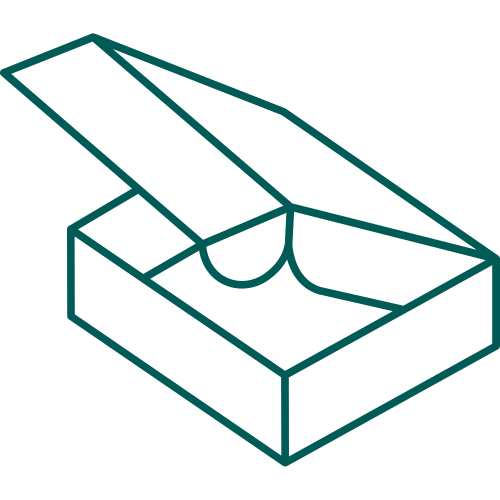
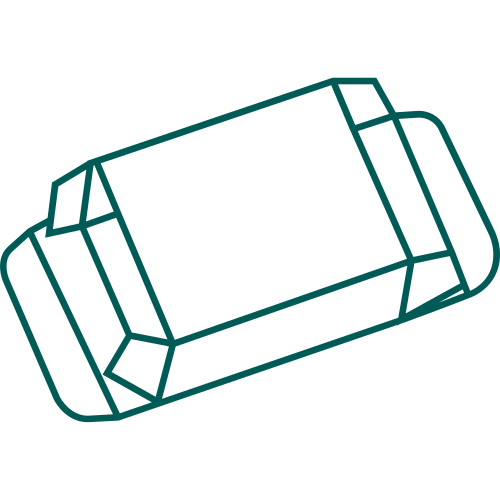




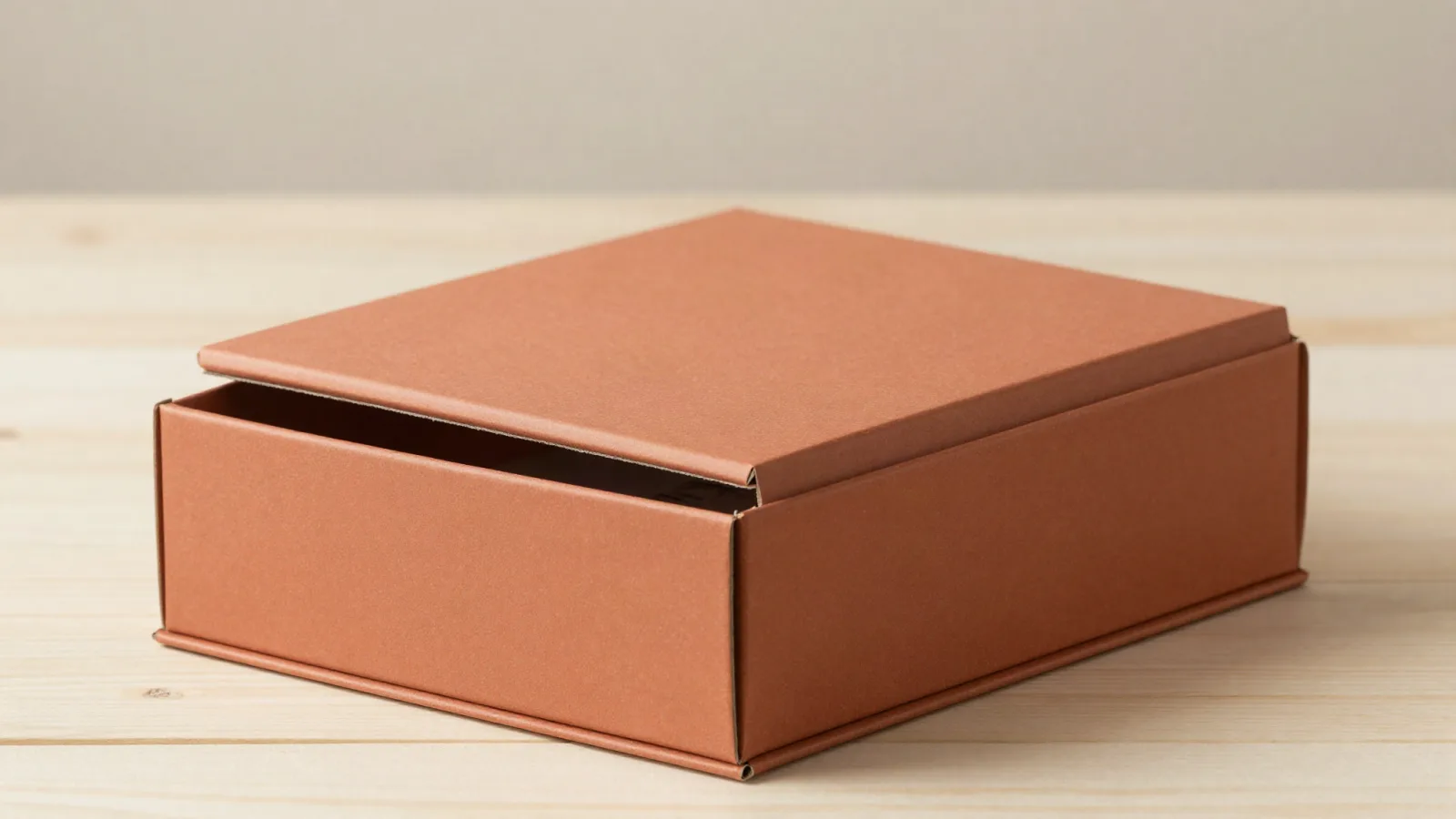





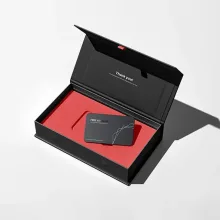














































A rigid setup box is a fixed-form package built from a rigid board core and a printed paper wrap. The box can use a lid and base, drawer, tray and sleeve, book-style opening, magnetic closure, or fitted insert. Unlike a folding carton, which is cut and creased from paperboard for folding, a setup box is planned around the assembled package the customer holds.
What is a rigid setup box?
A rigid setup box is a fixed-form box whose walls hold their shape after assembly. The board core supplies the structure, the paper wrap supplies the visible print surface, and the lid, tray, sleeve, closure, or insert controls the opening and product position. The product dimensions come first because the cavity, clearance, wall build, and decoration all depend on the packed item.
How is a rigid setup box different from a folding carton?
A rigid setup box is built around assembled walls, while a folding carton is cut and creased from paperboard so it can fold flat and lock into shape during packing. The difference changes the storage question, assembly steps, artwork layout, and opening action. A rigid box uses a thicker structural core, while a folding carton uses folds, scores, tabs, and locks in the paperboard itself.
| Decision point | Rigid setup box | Folding carton |
|---|---|---|
| Core construction | Rigid board core with paper wrap | Printed or coated paperboard cut and creased for folding |
| Assembly | Fit assembled walls, lid, tray, sleeve, or insert | Fold panels, tabs, scores, and locking features |
| Opening | Lid, drawer, book, sleeve, tray, or magnetic direction | Tuck, crease, tab, or locking structure |
| Specification focus | Board, wall build, wrap, closure, insert, and assembled dimensions | Paperboard, dieline, folds, tabs, print, and flat-pack handling |
The format choice follows the product and packing workflow. A folding carton can be a practical fit when flat storage and folding at packing matter. A rigid setup box fits a brief that calls for a fixed-form presentation, assembled walls, or a planned lid and insert. Confirm the actual handling path before selecting the format.
What board thickness options are listed for rigid setup boxes?
CPL lists rigid board directions at 800 GSM, 1000 GSM, and 1200 GSM. GSM means grams per square meter, a paper and board weight measure, not a complete finished-wall measurement. A higher GSM direction does not by itself identify the final box caliper because wall construction, dimensions, wrap, corner treatment, lid fit, tray, and insert also affect the assembled package.
| Listed board direction | What the value tells you | What still needs confirmation |
|---|---|---|
| 800 GSM | A listed rigid board weight direction | Structure, wall build, dimensions, wrap, and fit |
| 1000 GSM | A listed rigid board weight direction | Lid, tray, sleeve, corner, and finished-wall details |
| 1200 GSM | A listed rigid board weight direction | Assembled dimensions, closure, insert, and handling plan |
Caliper means board thickness, while GSM describes board weight by area. Those terms are related but interchangeable only when the material specification supports the comparison. Put the named measurement, unit, board component, and finished dimensions in the quote.
What parts make up rigid setup box construction?
The core board defines the walls and panels. The wrap covers the core and carries the print, edge treatment, and finish. The lid, sleeve, tray, drawer, or magnetic closure sets the opening path. An insert holds the product in a planned position or separates components. Matte, gloss, soft-touch, foil, spot UV, embossing, and debossing change the surface, but they do not replace the structural decision.
- Use a lid and base when the opening should lift apart.
- Use a sleeve and tray when the product should slide out.
- Use a drawer or book-style structure when the opening direction is part of the presentation.
- Use an insert when the product needs a fixed position or separated components.
Which rigid setup box products can I compare?
Compare custom rigid set-up boxes for a traditional fixed-form structure. Review rigid boxes with sleeve and tray for a sliding opening, rigid boxes with magnetic closure for that closure direction, and rigid printed boxes for printed surface and finish choices. The catalog format starts the discussion, but the packed dimensions determine the final specification.
What should I send for a rigid setup box quote?
Send the product length, width, height, weight, orientation, quantity, opening direction, insert needs, artwork status, wrap, finish, and destination. A dieline is the flat cutting template used to plan the box, and free design support can help organize it from the product dimensions. Review the proof for scores, bleed, panel alignment, clearance, and the way the product sits inside before approval.
What are the order terms for rigid setup boxes?
Custom orders start at 100 units. Pricing is from $0.49 per unit at volume, quoted to spec. Production is typically 8 to 10 business days after proof approval, plus delivery. Free US shipping and free design support are available. Order the $19.99 sample kit to compare board, wrap, and finish direction, then use custom packaging design to send the brief.
Frequently Asked Questions
What is the main difference between a setup box and a folding carton?
A rigid setup box has assembled walls built around a rigid board core and paper wrap. A folding carton is cut and creased from paperboard so it can fold flat and lock into shape during packing. The difference affects storage, assembly, opening, artwork layout, and insert planning. Choose from the product dimensions and packing workflow.
Are rigid setup boxes shipped flat?
Rigid setup boxes are planned around an assembled fixed-form presentation, while folding cartons are cut and creased for flat handling before packing. The exact shipping arrangement belongs in the proposed structure and quote. Ask whether the lid, tray, sleeve, insert, or other components are separate, and confirm how the package will be packed and handled.
What does GSM mean for a rigid setup box?
GSM means grams per square meter, a board weight measure. CPL lists rigid board directions at 800 GSM, 1000 GSM, and 1200 GSM. GSM does not replace a structure-specific wall thickness or caliper. Confirm the named measurement, unit, component, finished dimensions, lid fit, wrap, and insert in the quote.
Can a rigid setup box include an insert?
A rigid setup box can include an insert sized with the cavity and packed product. The insert can hold one item in position, separate several components, or shape the reveal when the lid or tray opens. Share the product dimensions, component count, clearance, and packing method so the insert and box are planned together.
How can I compare rigid and folding packaging in hand?
The $19.99 sample kit can help you compare board, wrap, print, and finish direction in hand. Use that physical reference before requesting the final setup box or folding carton quote. The selected format should then follow the product dimensions, opening action, flat-pack or assembled handling, insert needs, and artwork requirements.