


































































What are rigid packaging materials made from?
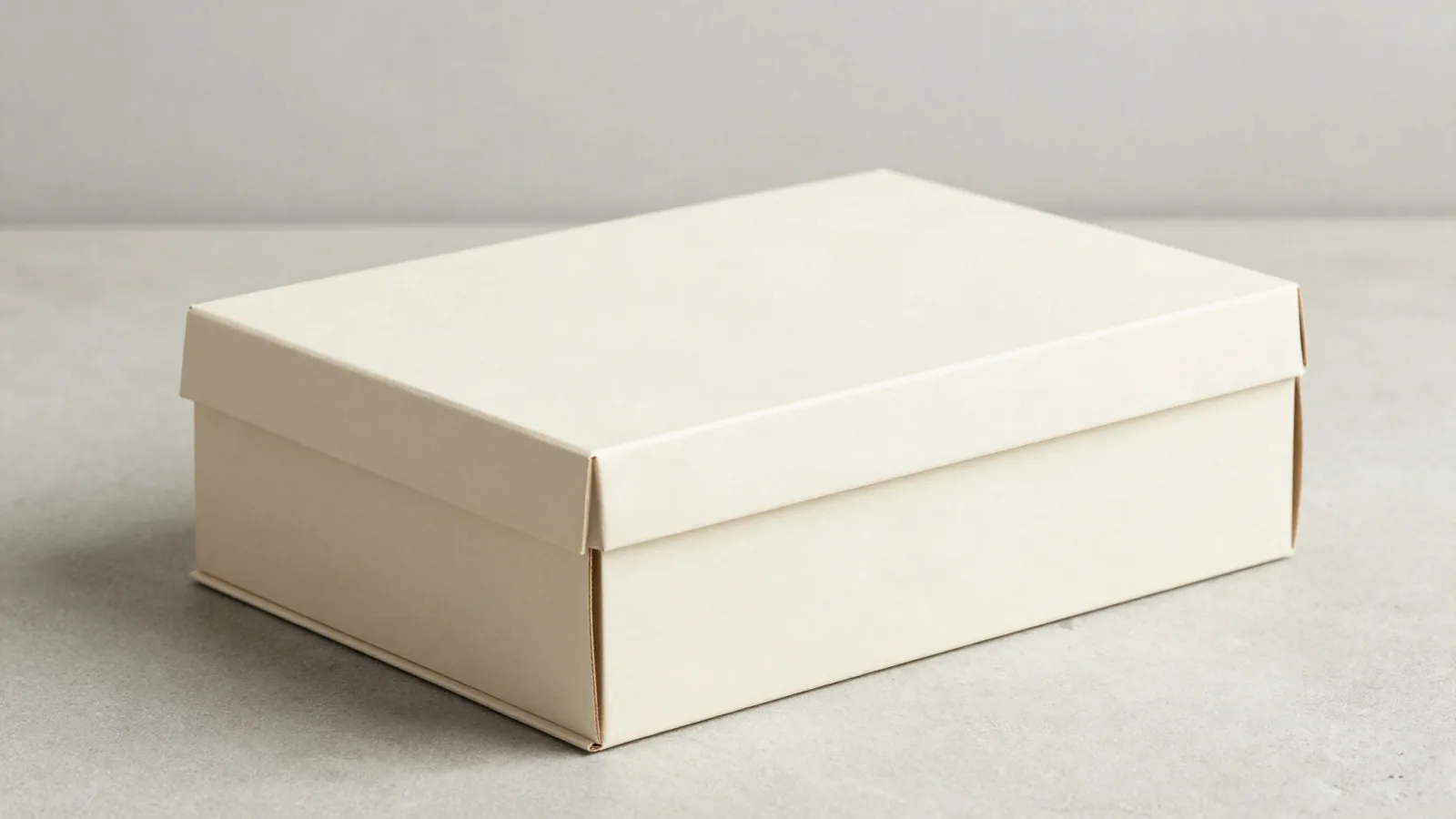
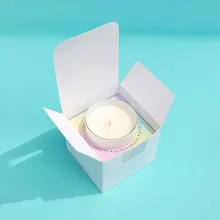
Rigid packaging materials are a construction system. The core board gives a box its body, while a wrap creates the visible surface for print, color, texture, or finish. A finished build may also include a lid, tray, sleeve, insert, window, ribbon, or closure. CPL's material profile names chipboard, corrugated fiberboard, Kraft paper, paperboard, and rigid stock directions, but the finished box still needs a format-specific specification.
GSM means grams per square meter, a board-weight convention. It helps compare listed board options, but GSM alone does not tell you the assembled wall thickness or the fit of a lid, tray, or insert.
What do 800, 1000, and 1200 GSM mean for a rigid box?
CPL lists 800 GSM, 1000 GSM, and 1200 GSM rigid board options. 800 GSM is the lowest listed option, 1000 GSM is the middle option, and 1200 GSM is the highest listed option. The correct choice follows the box size, construction, product weight, and handling, not the number alone.
| Listed board option | Position in the profile | Confirm in the quote |
|---|---|---|
| 800 GSM | Lowest listed rigid board-weight option | Fit with the box format and product handling |
| 1000 GSM | Middle listed rigid board-weight option | Fit with the wrap, lid, tray, and insert plan |
| 1200 GSM | Highest listed rigid board-weight option | Fit with the finished dimensions and handling workflow |
A large lid, deep tray, narrow edge, or heavy packout can change the board recommendation. Ask for board weight and assembled wall thickness as separate fields, then check the inside dimensions against the product and insert.
Which wrap materials change the finished surface?
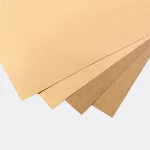
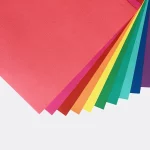
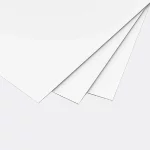
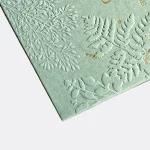
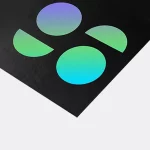
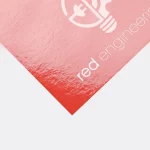
The outer wrap changes both the print base and the hand feel of a rigid box. Natural brown kraft keeps a warm paper tone; white stock or white kraft gives artwork a lighter base; textured paper changes touch; metallic or holographic cardstock adds reflection; black kraft creates a dark paper base.
| Wrap direction | Surface effect | Proof focus |
|---|---|---|
| Natural brown kraft | Warm paper tone under the artwork | Ink coverage and unprinted areas |
| White stock or white kraft | Lighter base for color contrast | Color balance, fine text, and edge transition |
| Textured paper | Tactile surface with visible texture | Small detail and finish placement |
| Metallic or holographic cardstock | Reflective or changing surface effect | Artwork, coating, and reflection |
| Black kraft | Dark paper base beneath the artwork | Ink coverage and contrast |
Base color affects ink coverage. On kraft, unprinted areas show the paper tone; on metallic stock, reflection can change how artwork reads. Check a physical material reference when the surface effect carries the design.
How should print and finish match the material?
Match the finish to the board and wrap before the file is final. Matte lamination cuts surface glare and gives a low-sheen face. Gloss lamination raises shine and can make color look more pronounced. Soft touch changes feel. Foil stamping adds a metallic mark. Spot UV puts a gloss area only where the file marks it. Embossing raises paper; debossing presses it in.
Coating choice also has a production tradeoff. UV coating cures hard and glossy, and it resists scuffing better than aqueous coating, but it can crack along scores and fold lines and is harder to write on. Aqueous coating dries fast, is water-based, and takes glue and ink better on flaps. The score, fold, and glue plan belong in the proof.
Digital print avoids plate setup and suits shorter runs; offset uses plates and can make more sense as quantity rises. The crossover depends on sheet size, ink coverage, and finishing, so the quote should compare the actual job.
Which product formats use these rigid materials?
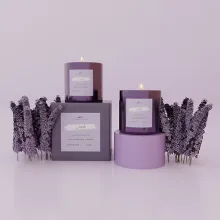
These material choices become concrete on product formats. Use wine box packaging for bottle-oriented construction, wax packaging for a wax product reference, towel packaging for folded soft goods, and rigid printed boxes for a printed rigid structure. Each format still needs its own footprint, closure, insert, and finish plan.
What should a rigid materials quote include?
A rigid materials quote should name the product dimensions, product weight, box style, quantity, artwork status, board option, wrap, finish, insert, closure, and destination. Tell the supplier how the box will be opened, stored, displayed, carried, or shipped. That information ties 800 GSM or another board option to a real construction instead of leaving it as a catalog label.
Send the brief through wholesale custom packaging. Free design support can turn the concept into a dieline, and CPL sends a digital proof before anything prints. Check bleed, RGB to CMYK conversion, type near scores, wrap overlaps, and insert retention before approval.
CPL uses a 100-unit MOQ. Pricing is from $0.49 per unit at volume, quoted to spec. Production is typically 8 to 10 business days after proof approval, plus delivery. Free US shipping and free design support are available. Order the $19.99 sample kit to compare board, wrap, and finish directions; it is credited toward the first order.
Frequently Asked Questions
Is GSM the same as rigid box wall thickness?
No. GSM means grams per square meter, so it describes board weight. Wall thickness describes the assembled box wall and can change with the board construction, wrap, and format. CPL's 800 GSM, 1000 GSM, and 1200 GSM options should be matched to finished dimensions, lid or tray design, and product handling.
Which rigid wrap gives artwork a light base?
White stock and white kraft give artwork a lighter base than natural brown kraft or black kraft. Textured paper changes the surface feel, while metallic or holographic stock adds reflection that can alter how colors read. Confirm the artwork, ink coverage, and finish against the chosen wrap before approval.
Can rigid packaging use foil or spot UV?
Yes. Foil stamping adds a metallic mark, while spot UV adds gloss only to the areas marked in the artwork. Matte, gloss, or soft touch changes the broader surface. The proof should show each finish location, especially near scores, folds, glue areas, and edges where the treatment meets the construction.
Can rigid materials include an insert or window?
Yes. A rigid packaging build can include an insert, tray, sleeve, window, ribbon, lid, or closure when the product and opening path call for it. Each part takes space inside the finished box, so the quote should list the components and the product fit together rather than treating the core board as the whole package.
What are CPL's terms for rigid materials?
CPL uses a 100-unit MOQ, with pricing from $0.49 per unit at volume, quoted to spec. Production is typically 8 to 10 business days after proof approval, plus delivery. Free US shipping and free design support are available. The $19.99 sample kit is credited toward the first order.