





















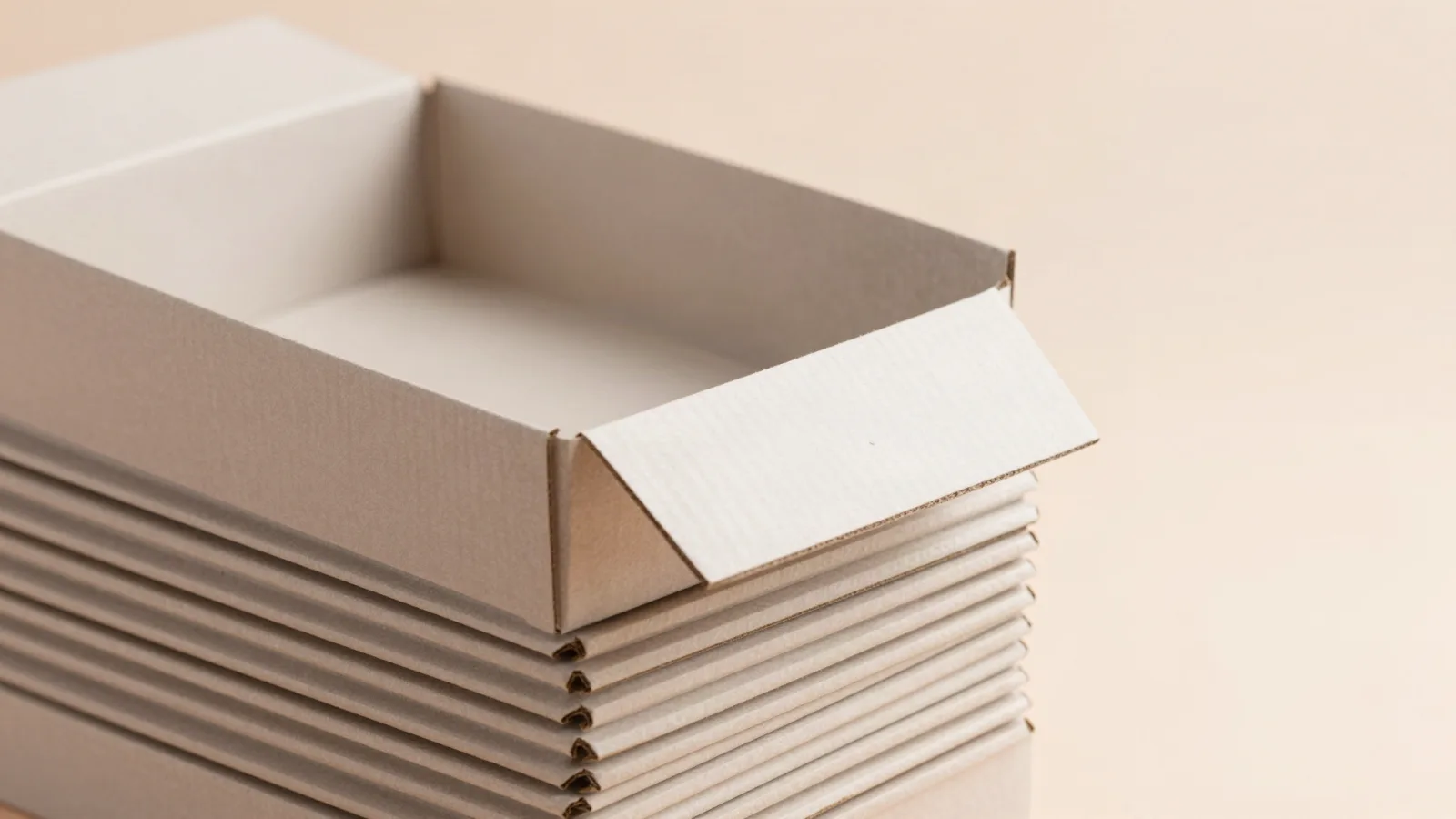









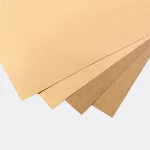



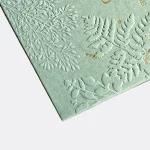
































Corrugated box inserts are die-cut interior pieces that divide, cradle, lift, or hold a product inside an outer box. Corrugated means a fluted paper layer sits between liner sheets. The product envelope is the finished outside space occupied by the packed product. The insert is a separate part of the package, so its weight, pattern, folds, tabs, and contact points belong in the quote. CPL's material spec sheets show the insert weights and die-cut patterns used across custom box orders.
A dieline is the flat cutting template that marks cuts, scores, folds, slots, and glue tabs. It turns the product envelope and box cavity into a pattern a buyer can inspect before production. Start with the inside dimensions, not the outside label. A product that rattles in the finished box usually needs a better cavity and contact plan, not more copy on the lid.
What job should the insert perform?
The insert should be drawn around the exact job it performs inside the box. Use the table to describe that job before choosing a pattern.
| Insert job | Pattern direction | Inspection point |
|---|---|---|
| Separate components | Dividers or partitions | Pieces stay apart after packing |
| Hold one product | Cradle, pocket, or shaped opening | Product contact points stay supported |
| Lift a product | Platform or riser | Product sits at the planned height |
| Protect edges | Walls, tabs, or perimeter support | Edges clear the outer box |
| Organize a kit | Slots or separate openings | Loading and removal order stay clear |
The insert role decides what to draw. A divider can organize several components, while a pocket can hold one product. A platform can improve visibility but uses cavity space. Tell CPL which surfaces may touch the product, which surfaces need clearance, and whether the insert is removed by hand.
How does insert weight affect the construction?
Insert weight affects stiffness, fold behavior, handling, and the space left inside the box. A lighter material can be easier to load by hand, while a heavier direction can hold a wall or platform shape more firmly. That is a material tradeoff, not a universal rule. Product mass, contact geometry, box cavity, assembly method, and outer board must be considered together.
CPL's material spec sheets identify the available corrugated insert weights and patterns. Ask for the selected weight in the quote and proof. If food contact matters, ask us about food-contact options. Do not substitute a foam insert weight or a rigid box board description for the corrugated insert record.
What should a die-cut pattern show?
A useful die-cut pattern shows the outline, scores, folds, slots, tabs, openings, product orientation, and the way the insert sits in the outer box. It also shows lid clearance and any movement allowed during packing. The proof should make it possible to follow the loading sequence without guessing which opening receives which part.
Send the assembled box cavity, product dimensions, accessory list, and removal direction. If the insert is cut too close to the product, loading becomes awkward. If the cavity is too loose, the product moves. Keep enough clearance for packing, but not enough for the contents to rattle during handling.
How should the insert and outer box be checked together?
Check the insert and outer box as one assembly, because the insert changes the usable interior and the box controls lid, seam, and closure clearance. A mailer can close differently from a rigid box, even when the product footprint is the same. The digital proof should show both the flat insert and its folded position inside the box.
Check the product face, fragile edges, accessory locations, loading order, and removal path. Keep the insert clear of scores that need to fold cleanly. If artwork runs across the outer box, inspect the printed panels after the insert position is fixed.
Which CPL products can frame the box conversation?
Use custom foam box inserts when you need to compare a different cushioning material. Custom corrugated mailer boxes can frame the outer carton. Jewelry boxes with inserts puts compartment spacing and presentation into a small-format discussion. For a more structured shell, compare custom rigid boxes with inserts. Custom DNA test kit boxes can frame a kit with several parts. Shoe box packaging gives a larger cavity example, while wine box packaging shows why bottle orientation and support points need their own drawing. These are catalog references, not dimensions for your order.
What should I send before proof approval?
Send the product envelope, box inside dimensions, product orientation, fragile or no-contact surfaces, accessory list, packing order, insert removal direction, artwork, quantity, and destination. A photo or physical product sample can clarify shapes that a length, width, and height list misses.
Free design support is available, and we can draw the dieline from your product and box dimensions. The MOQ is 100 units. Pricing is from $0.49 per unit at volume, quoted to spec. Production is typically 8 to 10 business days after proof approval, plus delivery. Free US shipping is available. The $19.99 sample kit can help you compare board, surface, and interior directions before approval. Use custom packaging design to organize the artwork and construction handoff.
Start with the cavity and product envelope, then ask for the first insert pattern.
Frequently Asked Questions
What is a corrugated insert used for?
Corrugated box inserts organize and support products inside an outer box. A die-cut divider can keep components apart, a pocket can hold one item, and a platform can lift it for presentation. The correct pattern follows the product envelope, box cavity, packing order, and removal path.
How do I choose a pattern for a box insert?
Choose a pattern by marking the product contact points, accessory locations, loading direction, and required clearance inside the box. Dividers suit separate components, pockets hold one item, and platforms lift products. The digital proof should show the flat insert, folds, tabs, and its position inside the outer box.
Does insert weight change the quote?
Yes. Insert weight affects stiffness, fold behavior, handling, and the space left inside the box. A lighter direction may be easier to load, while a heavier direction may hold a wall or platform shape. CPL should identify the selected insert weight and die-cut pattern in the quote and proof.
Can a corrugated insert fit a mailer or rigid box?
A corrugated insert can fit a mailer, rigid box, shoe box, wine box, or kit box when the insert and outer cavity are drawn together. Check lid clearance, closure behavior, product orientation, scores, tabs, and removal direction. Catalog pages provide format references, not dimensions for a specific order.
What does CPL need for an insert proof?
CPL needs the product envelope, box inside dimensions, product orientation, accessory list, packing order, insert removal direction, artwork, quantity, and destination. Free design support can help draw the dieline. The MOQ is 100 units, and a $19.99 sample kit can help compare board and interior directions before approval.