









































What are the main box insert options?
A box insert is a separate internal piece that holds, separates, or presents a product inside its outer box. The main box insert options are foam, cardboard dividers, and tray-style inserts. Foam uses shaped cavities. Cardboard uses folds and partitions. A tray creates a platform or organized compartment inside the box. The product outline and removal path should decide the material.
Start with jewelry boxes with inserts when the inner presentation needs an item position or liner. Custom rigid boxes with inserts show how the insert and outer box can be planned together. For a folding structure, custom cardboard boxes with inserts are a relevant reference.
| Insert type | What it does | Fit question | Tradeoff to review |
|---|---|---|---|
| Foam box insert | Holds a product in a shaped cavity | Which surfaces need support or separation? | Cavity shape, density, covering, and removal method |
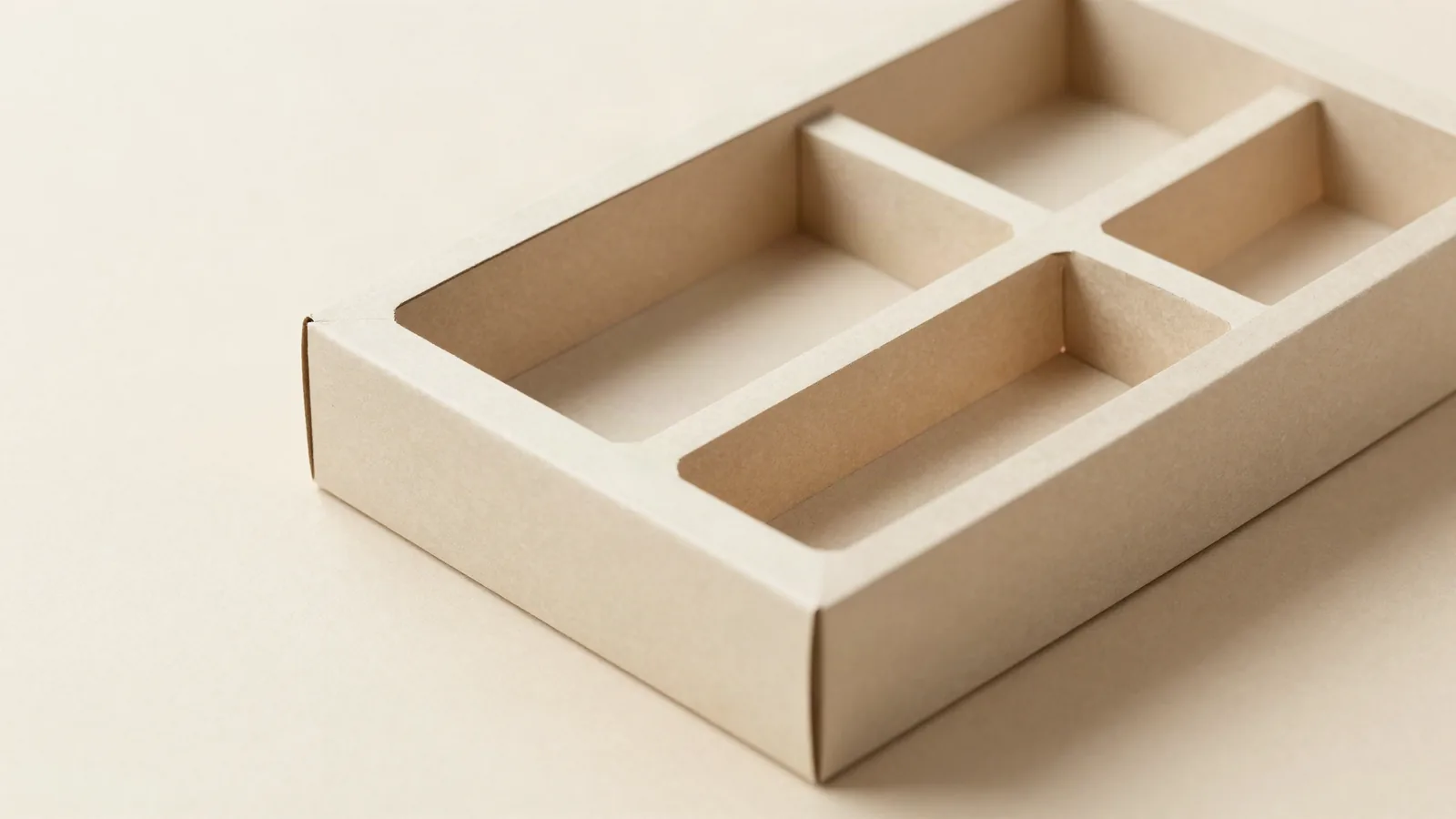
| Cardboard divider insert | Separates pieces into compartments | How should the contents be divided? | Fold points, partitions, and box clearance |
| Tray-style insert | Creates a platform or organized presentation | How should the product sit inside the box? | Tray footprint, cavity layout, and lid relationship |
When is a foam box insert the right choice?
A foam box insert fits a product that needs a shaped cavity, soft contact, or a defined removal position. The cavity follows the product outline, so the brief should show the surfaces that need support and the surfaces that must remain visible. Density, covering, cut edges, and cavity depth still need review for the selected product.
Foam can hold one shape closely, but a cavity cut too close to the product can slow loading or make removal awkward. A product line with several shapes may need separate cavities or a different insert plan. Check the insert with the lid, sleeve, or closure closed, because the tallest point controls the available interior space.
When do cardboard divider inserts make sense?
Cardboard divider inserts make sense when the job is separation and order rather than a soft, fully shaped cavity. Folded partitions can create compartments for several pieces, keep components from touching, and organize the sequence in which the customer sees them.
Send the number of product zones, the order of placement, the fold direction, and the surfaces that may touch the divider. Cardboard is easier to revise when the assortment changes, but it does not hold every product surface like a shaped foam cavity. The outer box and divider need one fit check.
When does a tray-style insert make sense?
A tray-style insert makes sense when the product should sit on a defined platform inside the box. The tray can establish a presentation level, organize a cavity arrangement, or separate the product from the outer walls. Its footprint must fit the box base, and its height must clear the lid, sleeve, or closure.
Use the opening sequence to set the tray position. A customer who lifts the product from a shallow platform needs a different access plan from one who removes a piece from a deep cavity. Review the tray edge, product contact points, artwork, and removal path in the assembled package.
How do you specify custom fitted box inserts?
A custom fitted box insert is specified from the product outline outward. Send the packed dimensions, visible surfaces, contact points, removal path, and outer box construction. Then check the insert against the lid, sleeve, closure, and any space needed for a card or accessory.
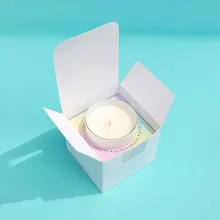
Custom candle boxes with inserts provide a catalog reference for a product with a defined footprint. Cosmetics boxes with inserts are another reference when several small components need organization. The selected insert still needs a product-specific fit check before the proof is approved.
Does CPL publish insert pricing or attachment data?
CPL does not publish an insert attachment rate or an insert-specific price point in this guide. The selection should begin with fit, presentation, material, and handling rather than an unsupported order statistic. Packaging pricing is from $0.49 per unit at volume, quoted to spec, and the insert construction belongs in the project quote.
Free design support can turn the product outline into a clearer insert brief. State the outer box, insert type, artwork, construction questions, quantity, and delivery destination so the quote addresses the complete package.
What are the MOQ and production terms for box inserts?
The MOQ is 100 units. Production is typically 8 to 10 business days after proof approval, plus delivery. Free US shipping and free design support are available. A $19.99 sample kit can help compare surface feel and presentation before artwork approval. For the planning step, use custom packaging design to organize the product, box, insert, and proof request.
Send the product outline, insert direction, outer box reference, handling sequence, artwork, quantity, and destination. The proof should show the assembled box with the product positioned inside it.
Frequently Asked Questions
What are the main box insert options?
Box insert options include foam, cardboard divider, and tray-style structures. A foam box insert holds a product in a shaped cavity, a cardboard divider insert creates compartments, and a tray-style insert creates a platform or organized presentation. The product outline, contact points, removal path, and outer box decide which direction fits.
When should I choose a foam box insert?
Choose a foam box insert when the product needs a shaped cavity, soft contact, or a defined removal position. Confirm the cavity outline, density, covering, depth, and removal method for the selected product. Check the foam with the lid or sleeve closed because the tallest product point controls the available interior space.
What are cardboard divider inserts used for?
Cardboard divider inserts are used to separate pieces, create compartments, and organize several contents inside one box. They suit a layout that needs order without holding every surface in a shaped cavity. The quote should state the compartments, fold direction, product zones, contact surfaces, and clearance inside the outer box.
Does CPL provide insert-specific pricing?
CPL does not publish a separate insert price point or attachment-rate statistic in this guide. Packaging pricing is from $0.49 per unit at volume, quoted to spec. The final quote follows the selected outer box, insert construction, artwork, quantity, and delivery details, while free design support can help prepare the insert brief.
How long does a box insert project take?
A box insert project uses a 100-unit MOQ. Production is typically 8 to 10 business days after proof approval, plus delivery. Free US shipping and free design support are available. The box, insert, lid, closure, cavity, and removal path should be checked together before the digital proof is approved.