
















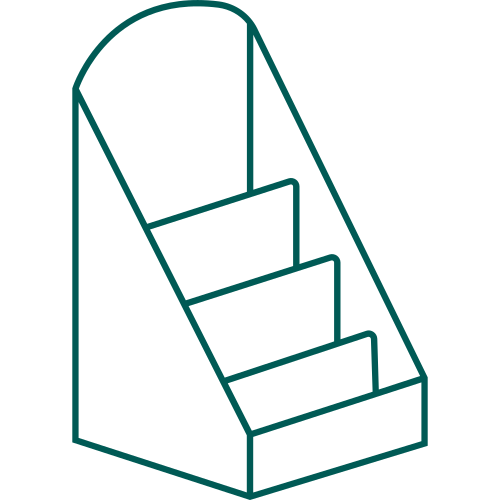

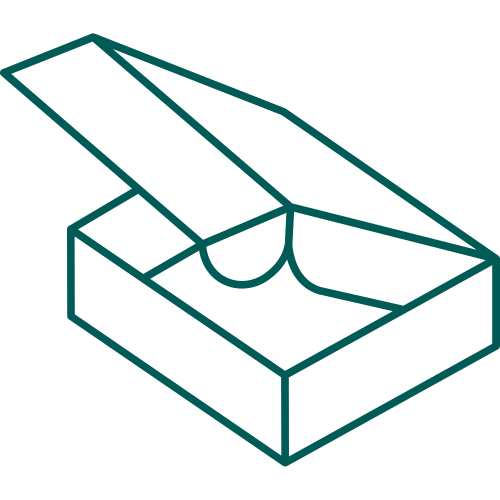




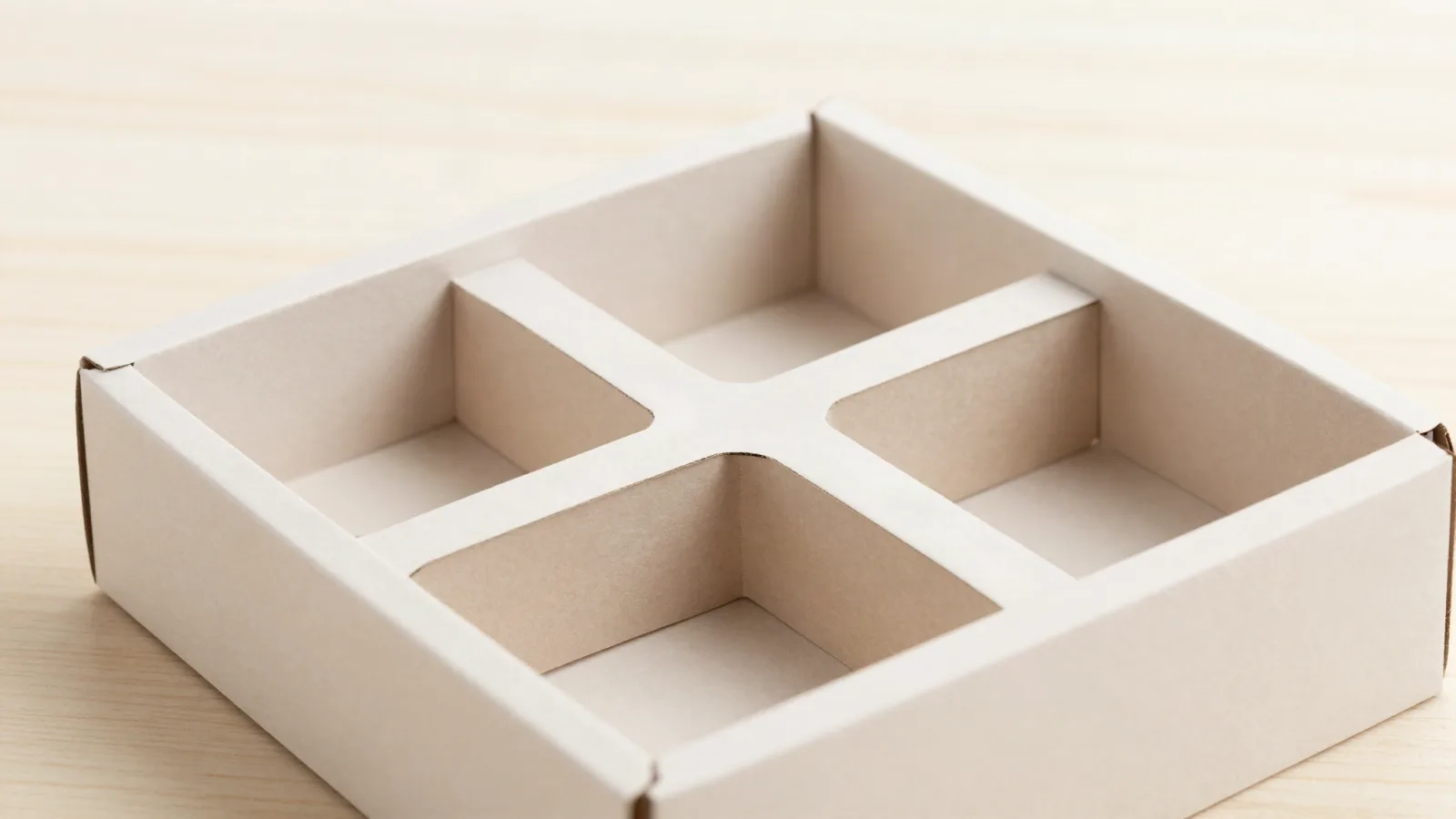




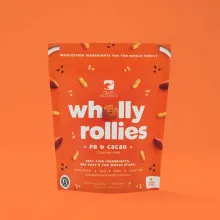
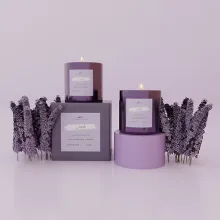
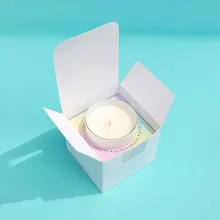
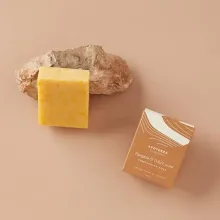




































A packaging box insert is an internal piece that positions, separates, supports, or organizes the product inside an outer box. A cardboard box insert tray is a folded or die-cut paperboard structure that creates a base or cradle. A divider is the internal wall system that keeps separate pieces from crossing into one another. The insert is drawn from the loaded product, not from an empty box on a screen.
At the packing bench, small errors become obvious. A product that fits the cavity but cannot be lifted slows loading. A divider that reaches the lid stops the box from closing. A tray that leaves a card underneath the product turns the opening sequence upside down. Build the internal piece around product dimensions, orientation, and loading order.
What are packaging box inserts used for?
Packaging box inserts position, separate, support, or organize products inside an outer box.
The insert also controls what the recipient sees first. A tray can frame one item. A divider can give several pieces their own place. A shaped support can keep an irregular product from rolling into the lid. These jobs overlap, but the packout still needs one clear loading sequence. Draw the insert around the product as it will be packed, not around a product photograph with no dimensions.
Which cardboard box insert tray fits the product?
Choose a cardboard box insert tray when the product needs a base, cradle, or presentation bed inside the package.
| Insert option | Internal job | Check before proof |
|---|---|---|
| Cardboard insert tray | Creates a base or bed for one item | The product sits without rocking and can be lifted |
| Custom box divider insert | Separates several pieces | The loading order leaves each piece in its intended position |
| Rigid box insert | Creates structure inside a rigid box | The lid clears the raised sections and fingers can reach the product |
| Cosmetic box insert | Organizes bottles, jars, tubes, cards, or kits | Labels face the customer and accessories stay visible |
| Foam insert | Creates a cushioned cavity for a shaped item | Contact points support the product without making removal awkward |
A cardboard tray, folded cradle, or die-cut bed can all answer the phrase cardboard box insert tray. The construction depends on the product shape, box clearance, material direction, and how the packer loads the package.
When does a custom box divider insert make sense?
A custom box divider insert makes sense when several products need separate positions inside one package.
The divider can separate variants, keep accessories from crossing into the main product, or create a deliberate space for a card. Check the wall height against the lid, then check whether the packer can load each section without collapsing the divider. For a cushioned cavity instead of an all-paper structure, compare custom foam box inserts.
What are the rigid box insert options?
Rigid box insert options include wrapped trays, board structures, dividers, fitted supports, and shaped cavities.
A rigid box is generally built from chipboard wrapped in printed paper, so it holds its shape while the internal insert organizes the product. A wrapped tray can match that presentation. A board divider can separate a set. A shaped support can hold a product at a chosen angle. Confirm lid clearance, finger access, and the point where the product should be lifted before the proof is approved.
Use wax packaging as a product context when the contents need organized sections or a presentation bed. towel packaging is another reference when the insert must organize a folded soft good instead of several small hard pieces.
How should a cosmetic box insert be planned?
A cosmetic box insert should be planned from the actual bottles, jars, tubes, cards, or kit components that will share the package.
Start with the product family and mark the orientation of every piece. Labels may need to face the opening. A small accessory can disappear below a main product if the cavity is too deep. A tall bottle can meet the lid if the insert rises too far. The proof should show the loaded set, not only an empty tray. The seed packaging product path is useful as another product-specific reference for organized compartments and cushions.
What should the insert proof show?
The insert proof should show the loaded product, tray walls, divider positions, clearance, and the way the packer and recipient use the package.
- Product orientation in every cavity.
- Tray walls, divider positions, and any shaped support.
- Clearance between the insert, product, and lid.
- Finger access for loading and removal.
- Any wrap, print, finish, adhesive, or pull feature.
A dieline is the flat cutting template used to lay out an insert before it is printed and cut. Review the dieline with the assembled box so a score, glue tab, or fold does not land across the wrong product area.
What do packaging box inserts cost and how long do they take?
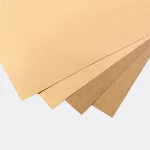
The MOQ is 100 units. Pricing is from $0.49 per unit at volume, quoted to spec. Production is typically 8 to 10 business days after proof approval, plus delivery. Free design support and free US shipping are available. Order the $19.99 sample kit to compare material direction before approving a proof, then use custom packaging solutions when the outer box and insert need to be planned together. The sample kit is credited toward the first order.
Frequently Asked Questions
What is a cardboard box insert tray?
A cardboard box insert tray is a folded or die-cut paperboard structure that creates a base, cradle, or presentation bed inside an outer package. It can support one product or organize a small set. The tray shape should follow the product dimensions, box clearance, loading order, and intended opening view.
What is the difference between a tray and a divider insert?
A tray creates a base or product bed, while a divider creates separate sections inside the package. One insert can use both. The tray supports the product from below, and the divider keeps pieces apart. The proof should show how the packer loads each section and how the recipient removes the contents.
What are rigid box insert options?
Rigid box insert options include wrapped trays, board structures, dividers, fitted supports, and shaped cavities. A rigid box is generally built from chipboard wrapped in printed paper, so the insert should match its interior clearance and opening method. Check lid height, finger access, and product orientation before approval.
Can a cosmetic box include a custom insert?
A cosmetic box can include a custom insert for bottles, jars, tubes, cards, or coordinated kits. Start with the actual product family and show how every component faces, stays organized, and comes out. The proof should include cavity placement, label visibility, accessory position, and clearance beneath the lid.
What are the order terms for packaging inserts?
Packaging inserts have a 100-unit MOQ. Pricing is from $0.49 per unit at volume, quoted to spec. Production is typically 8 to 10 business days after proof approval, plus delivery. Free design support and free US shipping are available, and the $19.99 sample kit is credited toward the first order.