
















































































Foam box inserts for shipping and packaging are shaped interior pieces specified with a rigid box. A die-cut cavity is an opening cut to hold a product in a planned position, while pull tabs, finger notches, and handle cutouts control how the product comes out. The useful question is which option fits the product and opening routine. CPL can add these configurations to selected rigid box projects, with the insert and box recorded together.
Which foam insert configurations fit a rigid box?
The right foam insert configuration depends on the product shape, the hand access needed, and what should be visible when the box opens. Use the catalog options as separate decisions, not as a bundle that applies to every job.
| Configuration | What it does | Check before proof approval |
|---|---|---|
| Die-cut cavity | Holds the product in a shaped opening | Confirm product outline, depth, and visible face |
| Pull tab | Creates a defined point for lifting the product or insert | Keep the tab reachable after the lid opens |
| Finger notch | Leaves hand access beside a close-fitting product | Check that fingers can reach the notch |
| Handle cutout | Adds a larger access opening for removal or lifting | Confirm the direction of the lift |
| Adhesive backing | Attaches the insert to the box interior | Record the contact area and removal expectation |
| Window | Leaves a planned area open for product visibility | Mark which surface should remain seen |
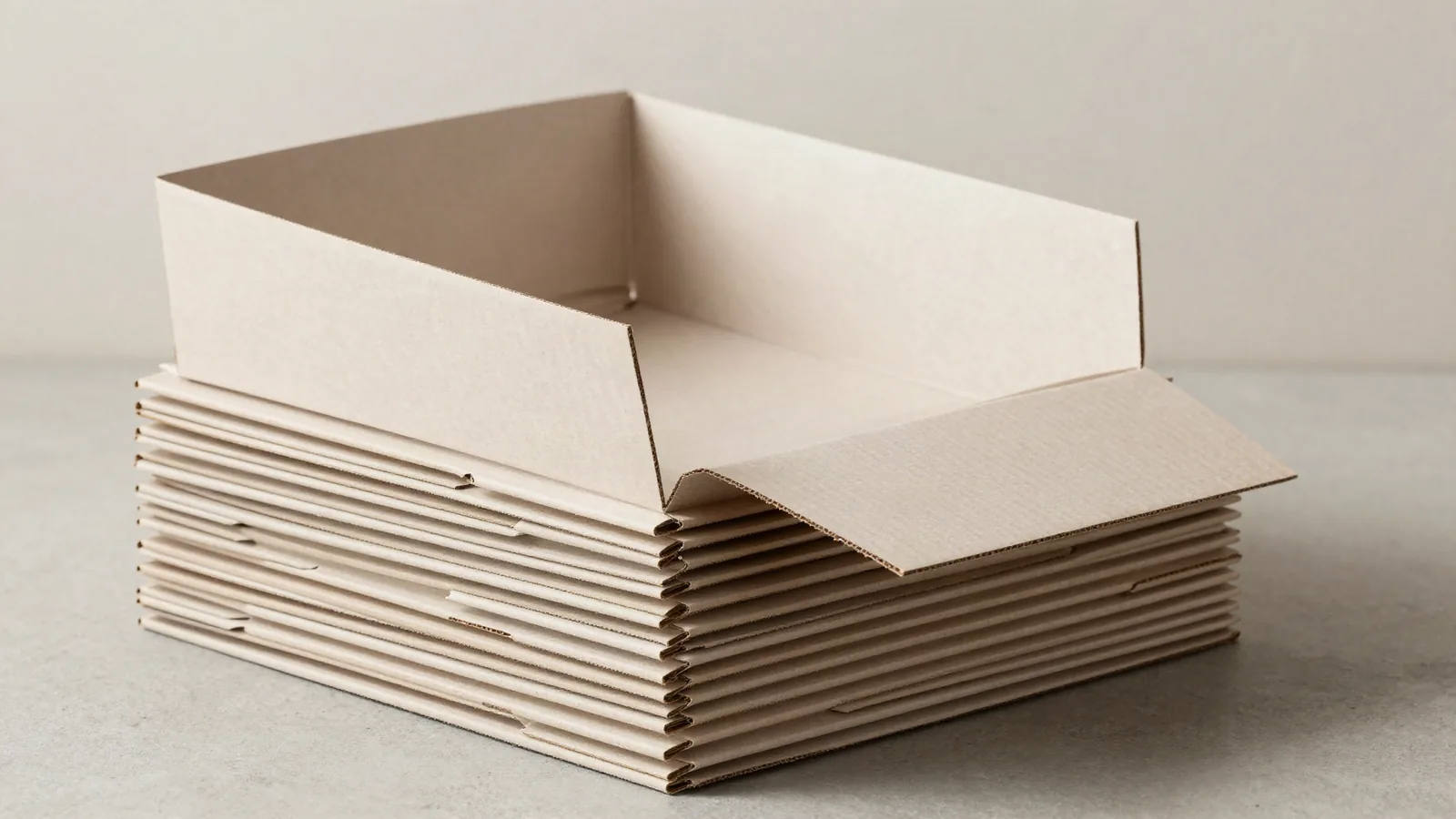
| Collapsible structure | Creates an insert that folds for storage or setup | Show how the insert is formed before packing |
How do pull tabs and notches affect product removal?
A pull tab gives the user a defined point to lift. A finger notch creates clearance beside the product, while a handle cutout supports a larger hand movement. The feature must match the product's fit. A tight cavity with no hand access can turn a protective package into a frustrating one.
Mark the retrieval feature on the dieline. A dieline is the flat cutting template used to print, cut, score, and assemble packaging. It should show the cavity, the product-facing side, and any access cutout so the proof can be checked before production.
When should an insert use adhesive backing or a collapsible structure?
Use adhesive backing when the insert needs a defined relationship with the box interior. The request should name the box surface, the intended contact area, and whether the insert must be removable. That information matters because the attachment choice changes pack-out and replacement handling.
A collapsible structure belongs in the specification when storage or setup is part of the job. Record whether the insert arrives flat and how the packing team forms it. Keep that handling note separate from the cavity layout. A collapsible insert still needs a clear product position once it is assembled.
How should shipping and presentation requirements be separated?
Shipping notes describe the product position, closure, and movement inside the outer box. Presentation notes describe the first visible surface, opening sequence, and whether the foam stays exposed or sits below another layer.
- List the product and every accessory sharing the insert.
- State which side faces the customer when the box opens.
- Mark every retrieval feature that must stay visible.
- Keep storage and assembly notes beside the insert record.
- Match the foam option to the selected rigid box.
Which CPL products can use this insert direction?
The direct catalog reference is custom foam box inserts. For a defined bottle position, inspect wine box packaging. A retail presentation can start with shoe box packaging, while may fit a project with a detailed product and opening record. Also compare wax packaging and seed packaging when those product categories match the brief.
What quantity and timing apply to a foam insert add-on?
The MOQ is 100 units. Pricing is from $0.49 per unit at volume, quoted to spec, with the quote tied to the box, insert configuration, material, artwork, finish, and quantity. Production is typically 8 to 10 business days after proof approval, plus delivery. Free US shipping and free design support are available.
Order the $19.99 sample kit to inspect material and finish direction before proof approval. For a box, insert, and shipping brief handled together, use custom packaging solutions.
Frequently Asked Questions
What insert options can Custom Packaging Lane add to a rigid box?
Custom Packaging Lane can specify die-cut cavities, pull tabs, finger notches, handle cutouts, adhesive backing, windows, and collapsible insert structures for selected rigid box projects. The approved specification should identify the product position, visible face, access feature, and box surface. Options are project-specific, so the proof should show the complete insert and box relationship.
How does adhesive backing fit into the foam insert specification?
Adhesive backing can be specified when a foam box insert needs attachment to the box interior. The project record should identify the box surface, contact area, and whether the insert must be removable. That information separates the attachment decision from the cavity shape and keeps the opening routine clear.
What quantity applies to a foam box insert project?
The minimum order quantity for a custom foam box insert project is 100 units. Pricing is from $0.49 per unit at volume, quoted to spec, and the final quote reflects the box, insert configuration, materials, artwork, finish, and quantity. Free US shipping and free design support are available.
Can I inspect foam and box materials before approving the proof?
A $19.99 sample kit lets buyers inspect packaging material and finish direction before proof approval. Use the sample discussion to check the insert surface, retrieval feature, visible areas, and relationship to the selected box. The final proof still controls the product-specific cavity and construction.
When does production take place for foam box inserts?
Production for foam box inserts is typically 8 to 10 business days after proof approval, plus delivery. The timing starts after the selected box and insert construction are approved. Custom packaging uses a 100-unit MOQ, and free US shipping and free design support are available.












