











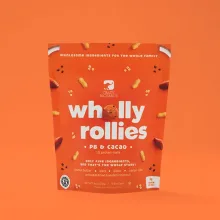



































A candy pouch is a flexible package that has to work after the purchase. The filled pouch should open cleanly, identify the flavor, and sit the way the customer expects on a counter, gift table, or pantry shelf. Headspace is the empty space between the fill and the top seal or zipper. A dieline is the flat layout used to place the front, back, gusset, seal, and opening before production. Describe the actual candy, not an idealized fill.
What should a candy pouch do after opening?
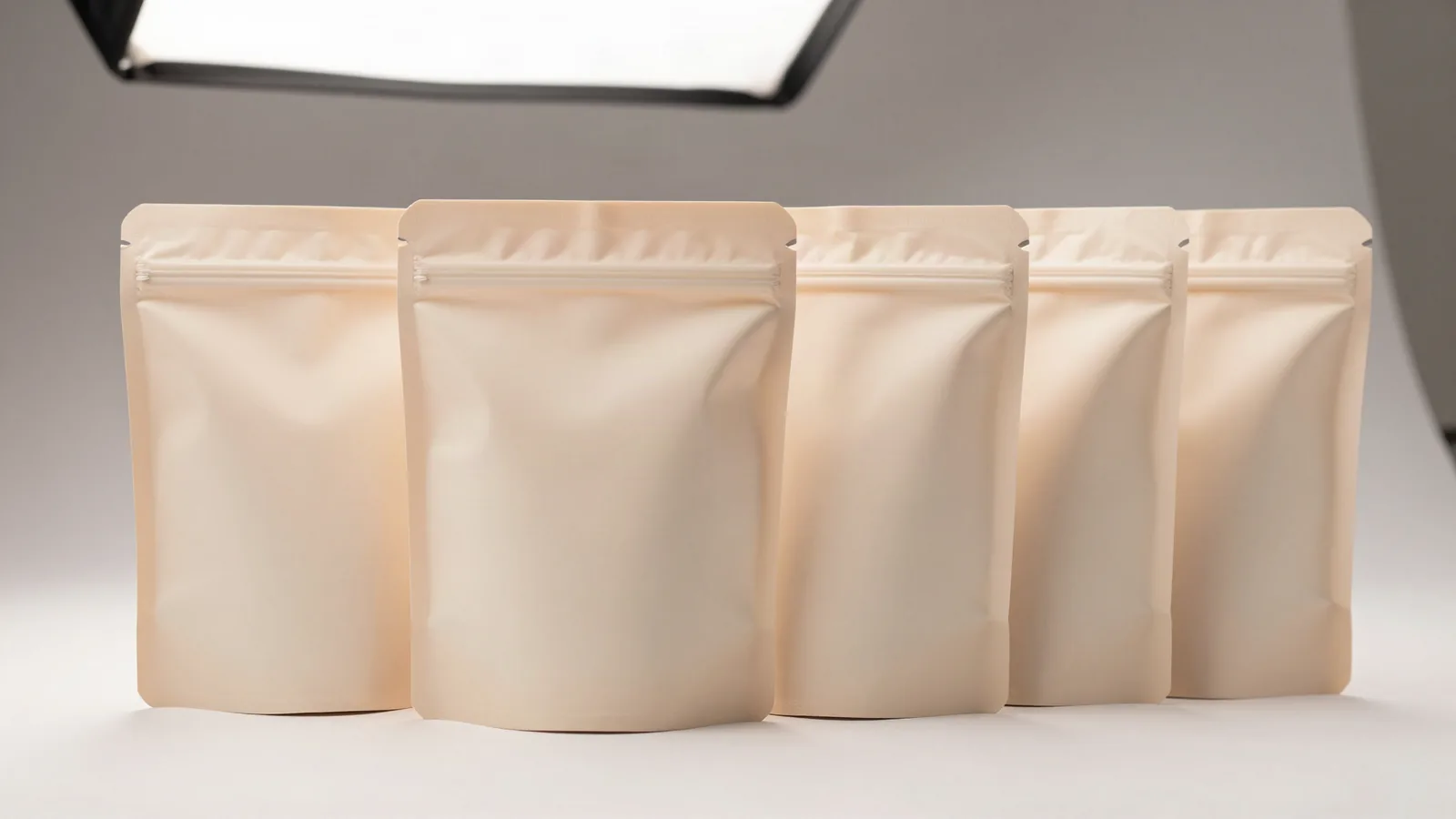
A zipper pouch supports repeated opening and reclosing, while a tear-open pouch suits a single first opening. That choice affects the closure position, headspace, usable front panel, and how the pouch rests after the first use. Loose candy, wrapped pieces, chewy products, and mixed assortments can move differently inside the same format. Test the pouch with the product filled, because an empty pouch hides settling and pressure at the seal.
Which pouch format fits the filling routine?
A single-flavor portion needs fast recognition, while a mixed gift assortment needs a clear flavor system and a planned reveal.
| Use case | Package behavior to plan | Industry reference |
|---|---|---|
| Single-flavor portion | Fast recognition and a simple first opening | Digital printing can suit a short run or test version |
| Mixed gift assortment | Flavor separation and a deliberate reveal | Stand-up pouches commonly use a 3 to 7.5 in width range |
| Repeat-access snack | Opening and reclosing without losing the front display | PET, AL, and PE layers are common laminate references |
| Pouch with product view | Clear contents area beside the brand panel | PET window film commonly falls in the 0.2 to 0.3 mm range |
How do I keep several flavors from getting mixed up?
Fix the flavor name and variety cue in one location on every pouch. Keep the brand mark stable, then reserve a controlled area for flavor, season, or portion changes. If a pouch carries separate inner portions, record their number, order, and any card or divider. The same rule works for seasonal artwork: keep the base design stable and reserve a controlled area for a holiday, event, flavor, or date message. Fill the pouch before the proof is approved and check whether contents settle over the flavor key or lower front artwork.
What should a filled-package test check?
A filled test exposes settling, seal pressure, zipper access, front-panel distortion, and pieces that catch near the opening. Use the actual candy. Pick the pouch up with one hand, set it back down, and check whether the front remains readable after storage. Record the fill arrangement, headspace, closure position, and display orientation so the dieline check has a real packout to follow.
What do the film layers and finishes change?
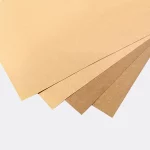
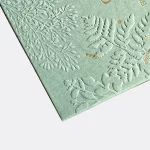
A laminate is a bonded stack of flexible film layers, and PET, AL, and PE each contribute a different part of the construction. PET can carry the print-facing surface, AL can form a foil barrier layer, and PE can support heat sealing. If a carton companion is part of the set, SBS, C1S, or C2S are common paperboard stock references in the 12 to 24 pt range, while kraft board commonly falls in the 18 to 24 pt range. Offset CMYK suits detailed package artwork, while digital printing can suit a short-run concept check. Matte or gloss lamination changes sheen. Spot UV and foil stamping need a finish map. Keep those effects away from folds, seals, gussets, and the opening path. If the pouch has a window, keep the clear area separate from the logo and flavor panel.
Which CPL products can clarify the presentation?
Use the kraft paper zipper pouch as a reclose-oriented reference. The movie candy boxes page shows a more structured event or counter direction. Custom candy gift boxes frame a gift-led presentation, while small candy boxes show how a carton changes the handoff. The format names guide the conversation, but the filled candy sets the real fit.
What should I send for a candy pouch quote?
The quote brief should describe the candy, fill method, closure, display position, and food-contact question. Ask for a digital proof before anything prints. State whether the package is for gifting, events, counter sales, sampling, or repeat access.
- Describe the candy, portions, assortment, fill method, and expected headspace.
- Choose stand-up, zipper, flat, windowed, or another pouch direction.
- Identify laminate layers, closure, seal area, tear feature, window, gusset, and usable display panel.
- Mark fixed artwork, flavor changes, print coverage, logo position, and finish direction.
- Share the destination, quantity, outer-package needs, and food-contact questions to consider.
Custom Packaging Lane quotes a candy pouch to spec from a 100-unit minimum. Pricing is from $0.49 per unit at volume, quoted to spec. The quote follows pouch construction, print coverage, finishing, quantity breaks, tooling, and shipping zone. Production is typically 8 to 10 business days after proof approval, plus delivery. Free US shipping, free design support, and a free dieline are available during preparation. Order the $19.99 sample kit, credited to the first order. For a focused buying route, see custom packaging for small business.
Frequently Asked Questions
Is a candy pouch better for gifting or repeat snacking?
A gift pouch usually needs a clear reveal, stable flavor identification, and a front panel that still reads on a table. A repeat-snack pouch usually needs a zipper or another reclose direction, easy access, and a front face that remains readable after opening. Test the filled candy and storage habit before choosing.
How do PET, AL, and PE layers differ in a pouch?
PET can act as the print-facing film, AL can form a foil layer in a laminate, and PE can support heat sealing. The layer stack affects the pouch construction, closure, and seal path. The intended candy, fill method, storage route, and contact surface should be described before the package is specified.
How should I use the 3 to 7.5 in pouch width range?
Treat 3 to 7.5 in as a general industry reference for stand-up pouch width, not as a finished size for every candy. Provide the filled product, front-panel need, gusset, seal area, closure, and headspace. Confirm the dieline with the actual candy because the fill can change the pouch shape.
What changes when a candy pouch has a window?
A window creates a defined clear area and reduces the uninterrupted print panel. PET window film commonly falls in the 0.2 to 0.3 mm range. Mark the window, seals, gussets, folds, flavor text, logo, and opening feature together so important information does not land in a distorted or hidden area.
How should I ask about candy contacting the package?
State what the candy is, whether an inner wrap is present, which pouch surface may touch it, and how the pouch is filled and stored. Ask us about food-contact options for the intended application. Keep the flexible pouch, any window, the seal area, and an outer gift or shipping package separate in the discussion.