











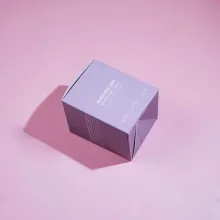
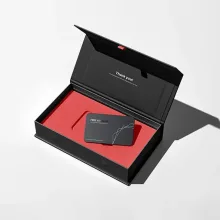
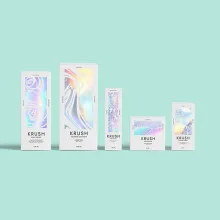
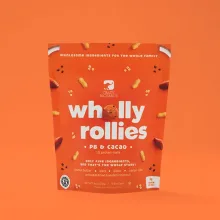
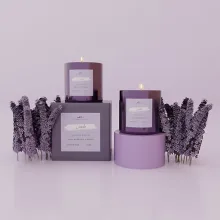
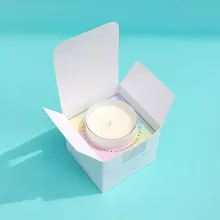
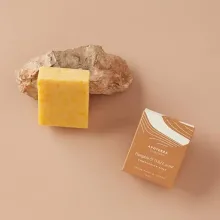


































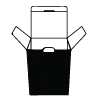

The phrase look candy bar where to buy can mean retail candy or packaging for a branded bar. This page covers the second question: how to scope an empty wrapper, carton, sleeve, or gift box around a confectionery product. Start with the physical bar, its finished dimensions, and the information that must appear on the pack. Then compare the candy bar packaging range with candy bar boxes.
What does a look candy bar packaging search usually require?
The first split is whether you need a retail candy source or an empty branded package. Describe the bar or chocolate bar, finished dimensions, artwork coverage, opening direction, delivery destination, and whether the package is empty or paired with an inner component. If a retail bar is the reference, use its physical size and shape, not its branding, as the starting point.
Which custom format should I compare first?
The wrapper-to-carton choice changes the seam, support, opening, and artwork area. Wrappers keep the printed surface close to the bar, while folding cartons add panels for brand and product information. A sleeve wraps an inner tray or existing pack, and a gift-style box adds room for presentation. Compare movie candy boxes as another catalog structure, then compare its opening and panel layout with the actual bar instead of assuming the dimensions match.
How do common candy bar formats differ?
A wrapper follows the bar's surface, while a carton adds panel area for information and opening instructions.
| Format | Common material direction | What to settle |
|---|---|---|
| Printed wrapper | Mylar or foil laminate with PET, AL, and PE layers | Does the wrap need a close fit and defined seam? |
| Folding carton | SBS, C1S, or C2S paperboard | Which panels carry brand, product, and opening information? |
| Sleeve | Paperboard around an inner package | What inner component supplies support? |
| Gift box | Paperboard or rigid wrapped construction | Should the opening reveal the product in stages? |
Which materials are common for candy bar packaging?
SBS, C1S, and C2S paperboard in the 12 to 24 pt range are common folding-carton stocks. Kraft board in the 18 to 24 pt range has a different surface. A wrapper may use a Mylar or foil laminate built from PET, AL, and PE layers. For food-contact use, ask us about food-contact options for your product. These are general packaging materials, not a claim about a specific order.
What print and finish choices should I put in the brief?
Offset CMYK suits detailed carton artwork, while digital printing is often considered for short runs or an artwork test. Matte and gloss lamination change surface sheen. Soft-touch changes the tactile feel. Spot UV isolates a logo or panel. Foil stamping, embossing, and debossing need to be marked on the artwork because each effect changes the production scope. Keep seams, folds, opening edges, and information panels clear on the proof. A digital proof should show the panel order and finish areas before printing.
How should I plan the bar fit and dieline?
A dieline is the flat cutting and folding template used to lay out the package. Provide the actual bar or a reliable product drawing, then record length x width x depth as inside measurements. About 1/16 in, or 1.5 mm, is a common planning tolerance, but the product, wrap, folds, and closure determine the final clearance. Mark the seam, tuck direction, glue area, and insert if one is part of the package. The dieline gives the artwork team a layout to check before proof approval.
What should I send when I want a useful quote?
The quote request should tie the bar to its format, inside fit, artwork, and delivery route.
- Describe the bar, wrapper, carton, sleeve, or gift-box format.
- Provide product dimensions and the desired inside clearance.
- Identify board, laminate, window, or insert preferences.
- Mark print coverage, logo placement, and finish zones.
- Share the delivery destination and artwork status.
Send the product dimensions, structure, artwork, and delivery location for a quote from a 100-unit minimum. Pricing is from $0.49 per unit at volume, quoted to spec. Production is typically 8 to 10 business days after proof approval, plus delivery. Free US shipping and free design support are available, with a free dieline for preparation. The $19.99 sample kit is credited to the first order. For design direction, see custom packaging design.
Where can I buy Look candy bars?
Retailers and brand-authorized sellers handle the edible bar; Custom Packaging Lane supplies empty custom packaging. Retail availability can change by market, so check the brand owner's current website, store locator, or an authorized seller for the finished candy. Buyers who already produce or source a bar can use the food packaging catalog to plan a branded outer pack.
| Buyer need | Correct source | What to have ready |
|---|---|---|
| Finished Look candy bar | Brand-authorized retailer | Current product name and market |
| Empty printed wrapper | Packaging supplier | Wrapped bar dimensions and seam plan |
| Folding carton or sleeve | Packaging supplier | Finished inner pack and panel copy |
| Retail display unit | Packaging supplier | Bar count, orientation, and shelf footprint |
What should I verify before ordering Look candy bar packaging?
Written permission to use any protected name, logo, character, or trade dress should be in hand before artwork enters production. Trade dress is the distinctive visual appearance of a product or package that can identify its source. A physical candy bar can be used as a size reference, but copying its brand elements without authorization creates a separate intellectual-property issue.
Supply only content you control: product name, net quantity, ingredient and allergen copy, barcode, lot-code area, and opening instructions. The responsible food business should approve regulated copy before the printer receives the production file.
Does CPL fill or sell candy bars with the package?
The order described here is for empty printed packaging, so the confection must be sourced, wrapped, and filled through the appropriate product operation. Give the packaging supplier the finished wrapped bar, not an unwrapped sample, because end folds and seams change the true length, width, and thickness.
For a carton around an existing wrapper, candy bar boxes provide the secondary structure. For a project that starts with the complete branded pack, custom candy bar packaging is the relevant catalog path. In either case, ask us about food-contact options when any supplied component will contact the food.
A common secondary-carton mockup uses 20 pt C2S paperboard with a straight tuck end. C2S is coated on two sides; this tuck style puts the top and bottom closures on the same face. These are test references, not a universal candy bar specification.
How should the retail barcode and date code fit the design?
Keep one flat, high-contrast panel free of seams and decorative effects for machine-readable and variable information. A quiet zone is the blank area required beside a barcode so the scanner can separate the bars from surrounding artwork. Use the barcode type, dimensions, and magnification assigned for the sales channel, then verify the printed symbol on the final substrate.
Reserve a separate light-colored area for lot or date coding if that information will be added after printing. Flexible wrappers may also need an eye mark, which is a small printed registration mark read by packaging equipment to control cutting and sealing. Put it at the position and contrast requested by the filling equipment operator, not wherever it looks least noticeable.
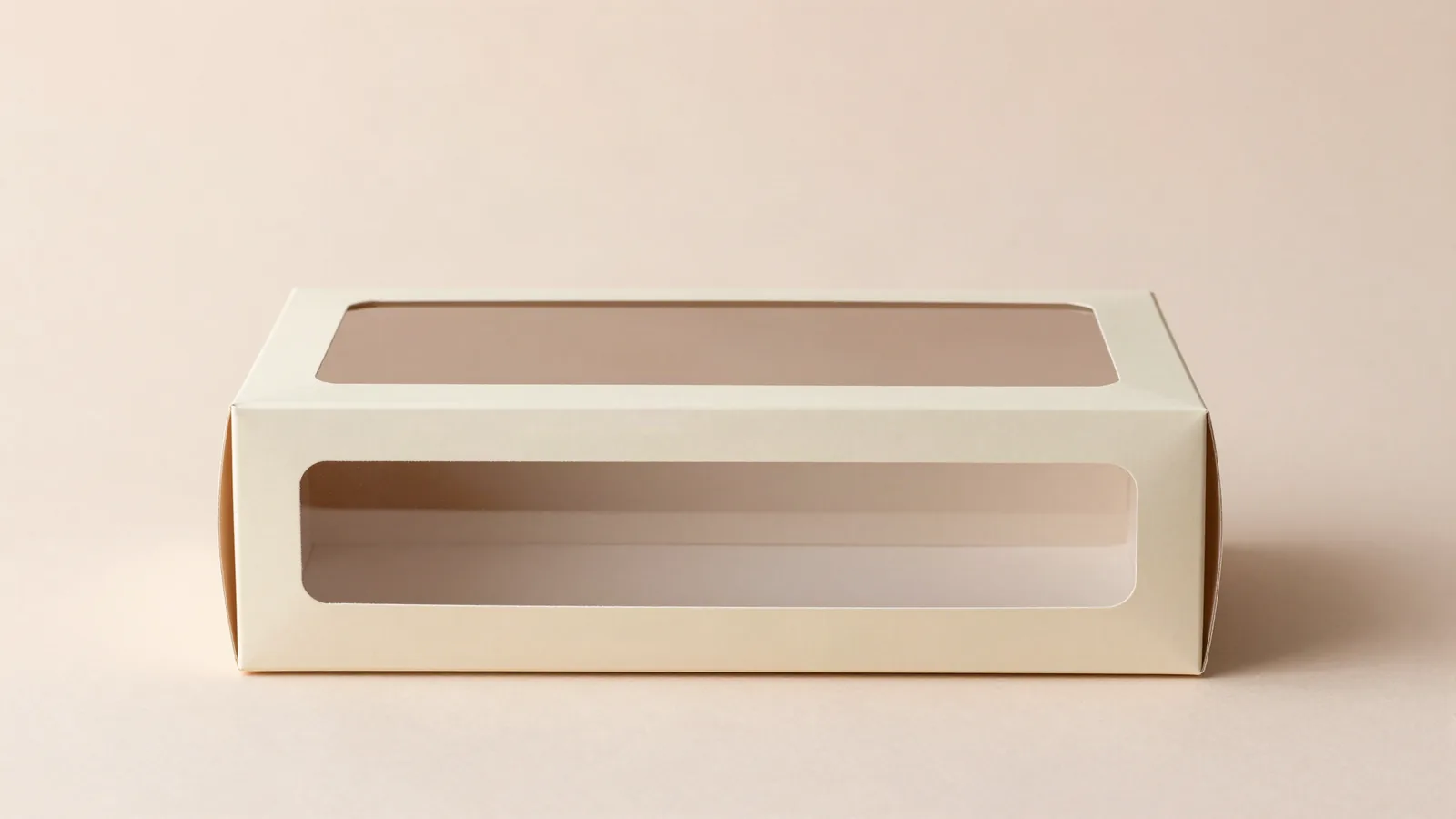
Window patching attaches clear polyethylene terephthalate (PET) film behind a die-cut opening, keeping the wrapped bar visible inside the carton. A 0.25 mm PET window is a common small-carton reference. Keep the seal clear of tuck friction, code areas, and creases.
How should a candy bar display case be packed?
Set the bar count only after a full row-and-column mockup confirms the shelf footprint, bar orientation, and base load. Each unit should face the intended direction, withdraw without snagging, and leave the remaining bars supported. A shallow front lip improves access, while a taller back panel gives product information a stable display surface.
If the shipper converts into the display, mark the removable section and keep perforations away from load-bearing corners. A perforation is a line of short cuts that lets part of the board tear away in a controlled path. Test the opening with the case fully packed, because a tear line that works on an empty sample can bind under product pressure.
What should I inspect on a candy package sample?
Check the actual wrapped bar against the seam, end folds, code area, opening path, and carton closure. Scan the barcode, add a representative lot code, and run the filled pack through the intended shelf or display setup. Carton artwork commonly extends 0.125 in past the trim edge as a prepress allowance. Use the sample kit when selecting physical material and finish references for the custom brief.
Approve one labeled sample record with the structure name, artwork version, bar orientation, and code locations. That makes the production target unambiguous and catches a common failure: a visually correct carton whose end seam, barcode, or date field becomes unusable after the wrapped product is inserted.
Frequently Asked Questions
Is Custom Packaging Lane selling the Look candy bar itself?
Custom Packaging Lane is not a retail candy marketplace. This page covers empty packaging for a candy bar or chocolate bar. A packaging buyer should provide the physical product, a dependable drawing, or the intended format so the wrapper, carton, sleeve, or gift box can be scoped around the actual item.
What is better for a candy bar, a wrapper or a box?
A wrapper keeps the printed surface close to the bar and can suit a compact format. A folding carton creates more panels for brand and product information and gives the opening a more structured shape. The choice depends on the bar dimensions, desired presentation, artwork coverage, closure, and whether an inner component already supplies support.
Which materials are common for candy bar packaging?
Candy bar folding cartons commonly use SBS, C1S, or C2S paperboard in the 12 to 24 pt range. Kraft board in the 18 to 24 pt range has a different surface. Wrappers may use PET, AL, and PE laminate layers. For food-contact use, ask us about food-contact options for your product.
Can I use protected brand artwork on a custom package?
Use only artwork, names, and marks you are authorized to use. A candy bar packaging brief should identify the brand panel, required product information, seam area, folds, and finishes. Resolve artwork rights and layout details before proof approval so the packaging request is clear and ready for proofing.
What should I send for a candy bar packaging quote?
A candy bar packaging quote request should include the product format, inside dimensions, preferred structure, material direction, print coverage, finish requests, quantity, artwork status, and delivery destination. For a wrapper, include the seam preference. For a carton, identify the opening style and whether an insert or inner package is part of the presentation.