













































A custom candy wrapper is sized around the confectionery item, its seam, and the way it opens. That is different from a sleeve around a box. If the wrapper touches a consumable product, ask us about food-contact options before the material direction is finalized. People searching personalized candy wrappers, customized candy wrappers, or personalized candy wrapper may be choosing between a close-fitting film wrap, a paperboard sleeve, or a small box. Define the candy shape first.
What does a custom candy wrapper need to do?
The widest point and the wrapper path determine the printable area. Record the candy length, height, corners, taper, fragile surface, overlap, and opening flap. Then say whether the wrapper fully encloses the item, bands an inner package, or decorates a separate box. The seam needs enough clear area to close without cutting through a logo or message. A wrapper that is too tight can mark the product, while a loose one can twist during packing.
Which wrapper construction should I compare?
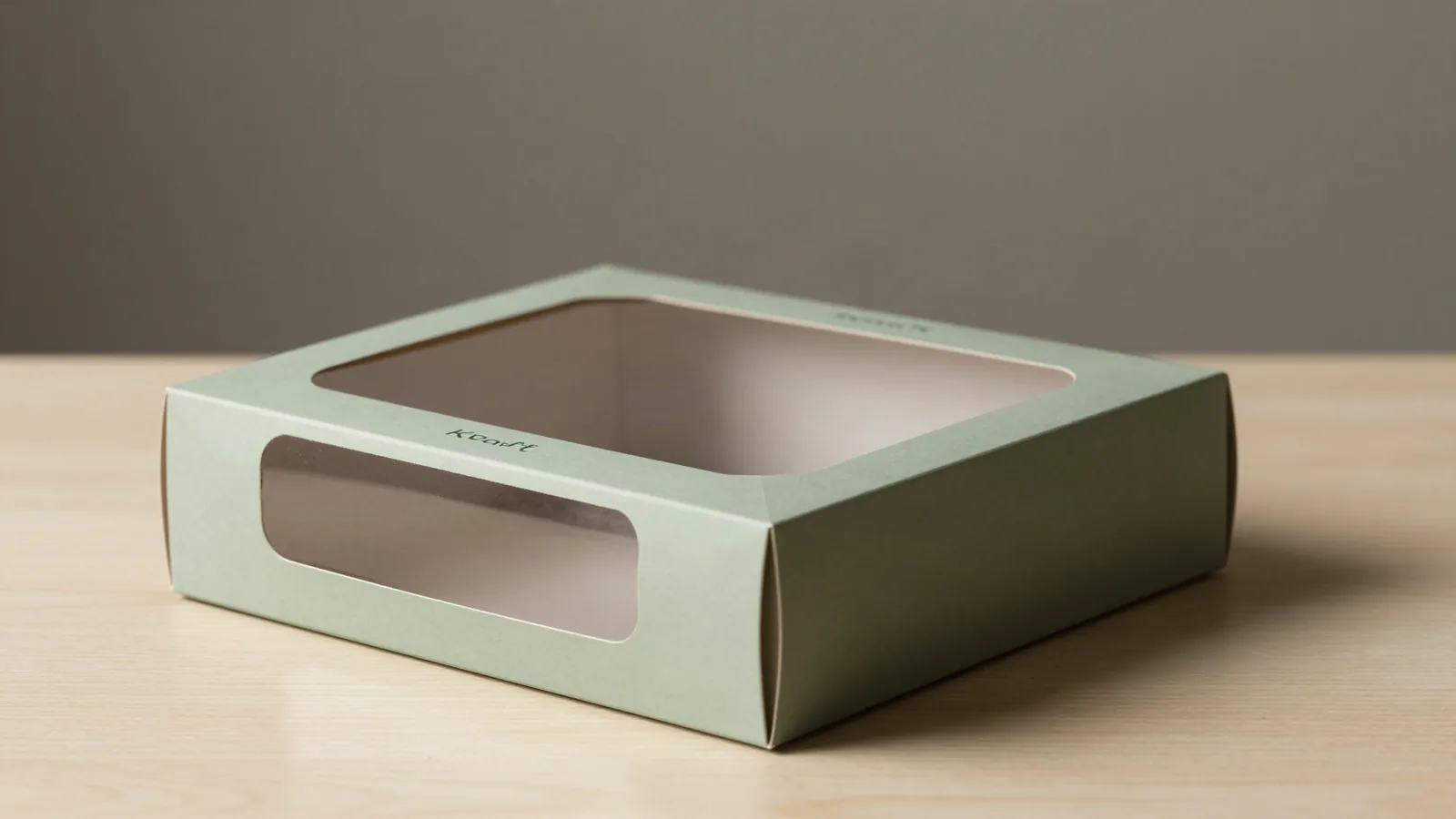
A laminated film wrapper follows the individual item closely, while a paperboard sleeve stays around an inner pack. A folding box creates a cavity and a defined opening. Use this comparison when the request says personalized wrapper but the final format is not yet fixed.
| Format | Common use | Planning emphasis |
|---|---|---|
| Laminated film wrapper | Close-fitting printed wrap around an individual item | Seam overlap, fold direction, and product clearance |
| Paperboard sleeve | Printed band around an inner package or grouped item | Slip fit, panel order, and visible surface |
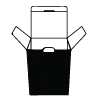
| Small folding box | Structured presentation for candy or a gift set | Inside measurements, closure, and opening sequence |
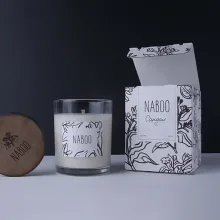
| Gift box with wrapper | Outer decoration around a separate container | Layer order, sleeve fit, and finish placement |
Which wrapper materials are common?
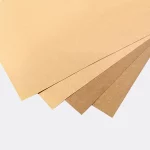
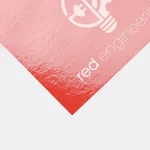
Mylar is a polyester film, and foil laminate is a layered construction that can include PET, AL, and PE. PET is polyester, AL is aluminum, and PE is polyethylene. The layer order, thickness, seal direction, and artwork surface should be specified for the actual wrapper. For a paperboard sleeve or box, SBS, C1S, or C2S paperboard in the 12 to 24 pt range is a common printed-carton reference. Kraft board in the 18 to 24 pt range is another surface direction. These are industry material references, not a claim about direct product contact.
How should I size a personalized candy wrapper?
Measure the item at its widest and tallest points, then map the wrapper path around it. Add the seam overlap, fold allowance, and opening flap to the flat layout. A tapered, rounded, or irregular candy needs a dependable drawing or physical sample because a guessed label size will not show the true fit. The dieline can mark the printable panel, seam, folds, and clear zones before the proof is approved.
Which print process suits customized candy wrappers?
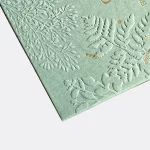
Digital printing can support a short-run artwork check or personalization test. Offset CMYK is a common reference for detailed paperboard sleeves and boxes. Full ink coverage and selected panels should be separated on the print map because heavy coverage can make the seam or fold more visible. Matte or gloss lamination changes sheen. Soft-touch changes surface feel. Spot UV, foil stamping, embossing, and debossing need a flat area that does not run into seams or folds.
Should I choose a wrapper or a candy box?
A wrapper fits the individual item and keeps the main design on the item surface. A box gives the package a cavity, a grouped arrangement, and a more structured opening. A sleeve sits between those choices, with printed coverage around an inner package and no change to the inner container. Compare the candy shape, fill motion, overlap, panel space, closure, and intended presentation before selecting the format.
Which CPL products can help me compare candy formats?
Custom chocolate candy boxes show a structured confectionery direction. Custom candy gift boxes show how grouped presentation changes the cavity and opening. Small candy boxes are a compact box reference. These catalog products help frame the comparison, while the wrapper request still needs the candy dimensions, material, seam, artwork, and opening method.
What should I include in the wrapper quote request?
The quote needs the candy's shape before it needs a finish map.
- Provide the confectionery dimensions, shape, widest point, and orientation.
- State whether the wrapper touches the item or sits around an inner package.
- Mark seam overlap, fold allowance, opening flap, and visible panels.
- Choose laminated film, paperboard sleeve, folding box, or a layered combination.
- List print coverage, lamination, soft-touch, foil, spot UV, embossing, or debossing.
- Share the planned quantity and delivery location.
Custom Packaging Lane quotes custom candy wrappers from a 100-unit minimum. Pricing is from $0.49 per unit at volume, quoted to spec. Production is typically 8 to 10 business days after proof approval, plus delivery. Free US shipping, free design support, and a free dieline are available. The $19.99 sample kit is credited toward the first order. Start with custom packaging for small business if the format still needs narrowing.
Can personalized candy wrappers use a different name on every pack?
Yes, variable-data digital printing can change selected names, messages, codes, or graphics while the base layout stays fixed. Variable data means information pulled from an approved list is merged into separate print records. Confirm the available process in the quote, then supply a clean spreadsheet with one value per field, final spelling, a unique record identifier, and the exact quantity for each artwork version.
Why do customized candy wrappers need machine direction and repeat length?
Roll-fed wrappers must match the packing equipment's travel direction and cut cycle before artwork is imposed. Machine direction is the path film moves through the press and wrapper. Repeat length is the distance from one identical print position to the next on the roll. If either is wrong, the front graphic can rotate, drift into the seal, or be cut between designs.
Reverse printing places ink on the inner face of a clear PET web before it is bonded into a laminate, protecting the graphic from surface scuffs. PET is polyester film, and a laminate is a bonded stack of films. Flexographic printing uses flexible relief plates to repeat artwork along a roll. Compare that method with digital printing when version count, run length, and press setup are known.
| Wrapper setup | Closure action | Artwork control |
|---|---|---|
| Fin seal | Inner faces join into a raised rear seam | Keep key copy outside the rear sealing lane |
| Lap seal | One outer edge overlaps the opposite inner edge | Mark the printable and sealable film faces |
| Twist wrap | Ends twist beyond the product | Center the design between twist zones |
| Cold-seal flow wrap | Pressure bonds a prepared coating | Register coating and print to the same repeat |
What seam works with a custom candy wrapper?
A fin seal is useful when the two inner sealant surfaces need to meet, while a lap seal reduces the raised seam by overlapping unlike faces. Cold seal is a pressure-activated coating used when heated jaws are undesirable for the product or packing speed. Heat seal uses temperature, pressure, and dwell time to bond a sealant layer. The production team must match the seam to the film construction and equipment.
How can small type stay readable on candy wrapper paper?
The file needs a defined safe area, print repeat, seam lane, cut position, and registration mark before type is reduced. A registration mark is a machine-readable target that helps packing equipment align each printed repeat with the cut. Proof the smallest copy at finished size, not on a zoomed screen, and avoid placing letters across crimped ends, twists, or high-curvature corners.
Paper used as a band or outer overwrap behaves differently from sealable film. Grain direction is the alignment of paper fibers, and it influences folding. Heavy ink coverage can crack where a paper wrap bends tightly. When the package needs a rigid cavity, compare candy bar boxes. For a flexible grouped format, compare candy bag packaging instead of forcing one artwork file onto both structures.
What causes personalized wrappers to wrinkle or split?
Common causes include excess tension, an undersized film web, sharp product corners, uneven crimp pressure, seal contamination, and a material that does not match the packing temperature. A film web is the continuous roll moving through the machine. Wrinkles usually reveal a tracking or tension problem before they are an artwork problem. Splits near a corner point to fit or film toughness. Test the filled item at operating speed rather than judging an empty hand fold.
How should buyers approve a multi-version wrapper run?
A version matrix is the control document for a multi-design run because it ties each filename to its visible message, quantity, print orientation, and packing destination. Check one imposed sheet or roll map for missing records and duplicated names. Use the sample kit to compare surfaces, then browse food packaging formats if the wrapper will sit inside a larger presentation. Final approval should identify both the base design and every variable record set.
Frequently Asked Questions
What is the difference between personalized candy wrappers and sleeves?
A personalized candy wrapper is usually sized around the confectionery item, so the wrapper path, overlap, seam, and opening control the fit. A sleeve is a printed band around an inner package or grouped item. Describe the candy, inner container, visible panels, and desired reveal before choosing film, paperboard, or a box.
Which film layers are common for candy wrappers?
Mylar and foil laminates can use PET, AL, and PE layers, with PET meaning polyester, AL meaning aluminum, and PE meaning polyethylene. The final layer order, thickness, seal direction, and artwork surface belong in the specification. If the wrapper touches a consumable product, ask us about food-contact options before approval.
How should I measure candy for a custom wrapper?
Measure the candy's widest point, length, height, corners, taper, and any surface that must not be compressed. Then map the wrapper path, seam overlap, fold allowance, and opening flap. A physical sample or dependable drawing gives the dieline the real shape instead of a guessed label size.
Can a candy wrapper include foil stamping or spot UV?
Foil stamping and spot UV can be considered when the wrapper construction and flat printable area support them. Mark the logo, message, or pattern for the effect, then keep the finish map clear of the seam and folds. Matte or gloss lamination and soft-touch should also be listed so the surface treatment is complete.
How should I review a candy wrapper proof?
Check the wrapper path, item clearance, seam overlap, artwork orientation, opening flap, and finish areas before approval. The proof should also show whether the selected film or paperboard direction matches the intended use. Any food-contact question belongs in the material discussion before the wrapper is approved.