
























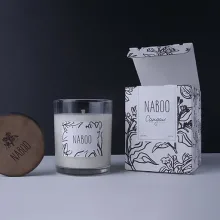

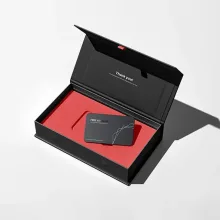

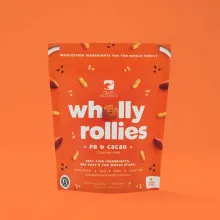
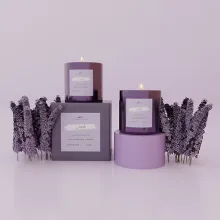









































California packaging work is easier to quote when the local conversation starts with a packed product and a measurable brief. Custom Packaging Lane serves California through a Fremont, California sales office and local sales contact, with the West Chicago HQ supporting operations. Send the product category, packed dimensions, quantity, material, structure, artwork status, finish, insert or window needs, and delivery destination. The location gives the project a contact; the measurements give it a buildable package.
How do California buyers start a custom packaging project?
A useful California quote request begins with the product and the way it will travel. A carton for a shelf has different panel and surface needs from a shipper that will be stacked in an outer carton. Digital printing can suit short or variable-artwork runs. Offset CMYK handles detailed paperboard graphics. Flexo is common on corrugated surfaces. Keep each choice tied to the board, structure, and quantity.
Which material should I compare for my California product?
SBS means solid bleached sulfate paperboard. C1S has one coated side, and C2S has coated sides on both sides. Rigid chipboard is a stiff board wrapped in art paper. Corrugated flute is the shaped paper layer inside a board, while ECT means edge crush test, a board-strength rating. Mylar is a polyester film. A foil laminate can combine PET, AL, and PE layers for barrier, opacity, and sealing decisions.
| Format | Typical industry reference | What to compare |
|---|---|---|
| Printed folding carton | SBS or C1S paperboard, 12 to 24 pt | Surface, caliper, folds, and print coverage |
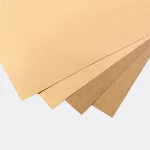
| Natural-look carton | Kraft board, 18 to 24 pt | Fiber appearance, contrast, and folding needs |
| Presentation box | 1.5 to 3 mm chipboard with 100 to 157 gsm art paper wrap | Wall thickness, lid fit, and opening style |
| Protective shipper | Corrugated E, B, or C flute, with 32 ECT as a common reference | Product weight, stacking, and distribution |
| Flexible package | Mylar or foil laminate using PET, AL, and PE layers | Barrier, seal, opacity, and graphic surface |
These are typical industry references, and the chosen range should match the product and structure. A 12 to 24 pt carton folds differently from kraft board at 18 to 24 pt. Rigid chipboard at 1.5 to 3 mm creates a wall rather than a fold, with 100 to 157 gsm art paper over the surface. E, B, and C flutes change board profile and protection, while 32 ECT is a common reference for stacking discussion.
Which California formats are worth comparing first?
The right product reference shares the same fit and opening problem as the project. For a compact metal direction, inspect custom tin packaging and discuss lid fit, decoration, and interior clearance. A long product can be compared with custom taper candle packaging, where length and internal support need to be written down. A small printed carton can use custom stevia packaging as a structure reference.
Flat products can be framed with custom greeting card packaging. A technical item can be compared with custom drone packaging boxes, where orientation, cushioning, and access need attention. These product pages are references, not a substitute for a project-specific dieline.
What dimensions and structures should the quote capture?
Inside measurements control fit when clearance is tight. State length by width by depth, label each measurement as inside or outside, and include product orientation. About 1/16 inch, or 1.5 mm, is a common planning tolerance subject to the approved specification. A dieline is the flat cutting template that maps trim, scores, folds, glue zones, and panels. Straight tuck end, reverse tuck end, auto-lock bottom, crash-lock, sleeve, gable, pillow, and mailer structures each change assembly and presentation.
Does the California destination affect shipping planning?
The outer packed carton, not only the finished product box, controls carrier planning. Dimensional weight is commonly discussed with L x W x H / 139 for US ground carrier planning. That formula is a general carrier convention, not a promised charge. Share the destination and packed configuration so the logistics discussion stays attached to the actual shipment rather than an assumed retail-box size.
What local support is available for California packaging projects?
The Fremont office gives California buyers a local sales contact for the brief, artwork questions, and quote coordination. The West Chicago HQ supports the wider workflow. Send the product category, packed dimensions, target quantity, material preference, intended channel, print coverage, finish, insert or window needs, and delivery location. A physical sample can settle fit and surface questions before the final structure is approved.
What should I confirm before approving the quote?
A written quote should name every physical and visual component. Ask which material, caliper, structure, print process, finish, insert, window, and dimensions are included. Confirm whether the measurements are inside or outside and whether the destination is included in the quote. Describe a child-resistant feature as a construction request. If the product may touch food, ask us about food-contact options for your product. The approved proof should match the written specification.
For broader planning, use the custom packaging solutions hub. Custom Packaging Lane quotes from a 100-unit minimum, with pricing from $0.49 per unit at volume, quoted to spec. Production is typically 8 to 10 business days after proof approval, plus delivery. Free design support, free dieline support, and free US shipping are available. The $19.99 sample kit is credited to the first order.
Frequently Asked Questions
Can California buyers work with a local packaging contact?
California buyers can use Custom Packaging Lane's Fremont, California sales office and local sales contact for packaging questions and quote coordination. The West Chicago HQ supports the wider workflow. A useful first message still needs the product, packed dimensions, format, material, artwork status, finish, inserts or windows, and delivery destination.
Which material ranges are common for California packaging?
Common industry references include SBS or C1S paperboard at 12 to 24 pt, kraft board at 18 to 24 pt, and rigid chipboard at 1.5 to 3 mm wrapped in 100 to 157 gsm art paper. Corrugated E, B, and C flutes are discussed with 32 ECT, while flexible packs can use PET, AL, and PE layers.
How do I compare tins, cartons, bags, and rigid boxes?
Compare the package by fit, opening, protection, storage, print surface, and distribution. A tin gives a metal-container direction, a folding carton gives printable panels, a bag uses flexible film, and a rigid box holds its shape. The product dimensions and channel should decide which reference deserves a closer dieline review.
What dimensions should I put on a California packaging request?
State length, width, and depth, then label each measurement as inside or outside. About 1/16 inch, or 1.5 mm, is a common planning tolerance subject to the approved specification. Add product orientation, clearance, insert thickness, closure behavior, folds, seams, and window locations so the dieline can be checked against the real packout.
How should I describe a child-resistant packaging feature?
Describe the child-resistant feature as a construction requirement, with the opening action, product dimensions, and package format stated in the brief. If the product may touch food, ask Custom Packaging Lane about food-contact options for your product. The request should be evaluated against the actual structure and dieline, not a generic category label.