




























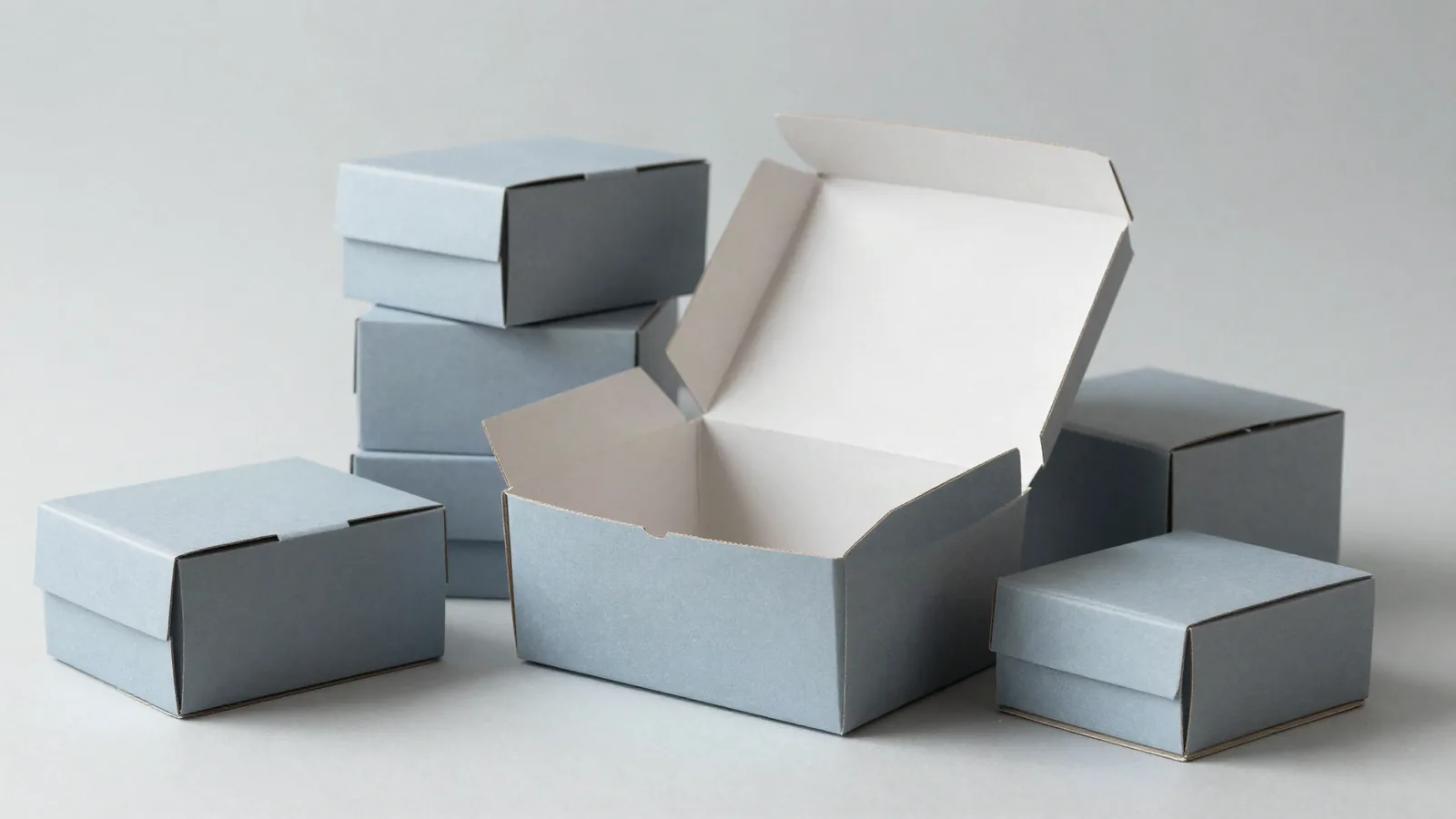




















































Chicago packaging work is easier to manage when a local sales contact keeps the product brief, artwork questions, and quote details in one conversation. Custom Packaging Lane serves Chicago through its West Chicago HQ, with the Fremont, California sales office also part of the stated service footprint. A local connection helps organize the project. It does not replace the product dimensions, material choice, structure, artwork, finish, quantity, and delivery information needed for a production-ready specification.
What can a local Chicago packaging contact help with?
The West Chicago HQ gives Chicago buyers a direct point for product details, artwork questions, and quote follow-up. Bring the product reference, intended use, package format, and delivery destination to the first discussion. The contact can keep the request attached to the actual package rather than a generic category. If the outer shipment differs from the finished box, describe both so the logistics discussion does not drift.
What should I include in a Chicago quote request?
The supplier can check fit only when length, width, depth, and clearance are labeled. Each field below connects to a decision in the structure and artwork process.
| Project field | What to provide | Why it matters |
|---|---|---|
| Product fit | Labeled length, width, depth, and clearance needs | Sets the internal space and support discussion |
| Package format | Carton, mailer, rigid box, tin, pouch, or bag | Determines construction and print surface |
| Opening | Tuck, lock, flap, zipper, seal, sleeve, or drawer | Changes panels, folds, access, and artwork zones |
| Artwork | Logo, copy, color direction, panels, and finish | Connects the visual brief to the dieline |
| Delivery | Packed configuration and destination | Helps scope the outer carton and carrier planning |
Which materials and structures should Chicago buyers compare?
Board and flute choice set the balance between printed surface, wall thickness, and stacking behavior. SBS means solid bleached sulfate paperboard. C1S has one coated side, while C2S has coated sides on both sides. For folding cartons, typical industry references include SBS, C1S, or C2S paperboard at 12 to 24 pt. Kraft board is commonly discussed at 18 to 24 pt. A two-piece rigid box can use 1.5 to 3 mm chipboard wrapped in 100 to 157 gsm art paper.
A flute is the corrugated layer profile inside the board, and ECT means edge crush test, a stacking-strength rating. Corrugated E, B, and C flutes are common industry references, with 32 ECT commonly discussed for shipping-oriented construction. Straight tuck end, reverse tuck end, auto-lock bottom, crash-lock, and roll end tuck top mailer structures change the opening and base behavior. Two-piece rigid, magnetic flap, drawer, and sleeve formats create different presentation paths.
Does the Chicago destination affect shipping planning?
The destination matters after the finished package is placed in its outer shipper. Dimensional weight is commonly discussed with L x W x H / 139 for US ground carrier planning. That formula is a general carrier convention, not a promised charge. Share the delivery location and outer packed configuration, not only the retail-box dimensions. A crushed outer carton can affect the package inside, so the shipping conversation belongs with packout and carrier handling.
Which product packaging formats can I discuss locally?
The closest product reference is the one with the same fit and opening problem. custom tin packaging gives a metal-container direction. custom taper candle packaging can frame a long, narrow product brief. custom printed macaron packaging boxes show how presentation and interior organization can share one package. For a technical product, custom drone packaging boxes are a useful reminder to describe orientation, protection, and the opening motion.
How should artwork approval be organized?
One approved artwork file should control dimensions, structure, panel order, print coverage, copy, finish, windows, and closure areas. The digital proof is the file review before printing. Check trim, bleed, folds, glue zones, type placement, barcode quiet zones, and product-facing surfaces against the assembled view. RGB art can shift when converted for press. Type set too close to a score can become difficult to read. If the material or opening changes, update the layout instead of assuming the old panels still fit.
What is the next step for a Chicago packaging project?
A Chicago project is ready for quote when the product, construction, artwork, quantity, and destination are written down. Prepare the product reference, desired format, labeled measurements, artwork direction, and packed configuration. Use custom packaging solutions to begin the project conversation. Custom Packaging Lane quotes from a 100-unit minimum, with pricing from $0.49 per unit at volume, quoted to spec. Production is typically 8 to 10 business days after proof approval, plus delivery. Free US shipping, free design support, and a free dieline are available. The $19.99 sample kit is credited to the first order.
Frequently Asked Questions
Do Chicago buyers receive a local sales contact?
Chicago buyers can work through Custom Packaging Lane's West Chicago HQ and a local sales contact for Chicago projects. The Fremont, California sales office is also part of the stated service footprint. The contact can organize the conversation, while the written quote still needs product dimensions, structure, materials, artwork, quantity, and delivery information.
What should I send for a Chicago packaging quote?
Send the product reference, labeled length, width, depth, clearance, desired format, opening style, material direction, print coverage, finish, artwork status, packed configuration, and destination. If the package replaces an existing format, explain what should stay the same and what must change. That gives the supplier a clear construction brief to review.
Where is the Chicago packaging work supported?
Chicago packaging projects are supported through Custom Packaging Lane's West Chicago HQ, with the Fremont, California sales office also part of the stated service footprint. A local sales contact can keep the brief coordinated. The project still depends on the actual product, chosen construction, artwork, quantity, and delivery requirements rather than location alone.
How should a Chicago buyer discuss delivery timing?
Delivery timing should be discussed from the packed shipment, destination, carrier planning, and approved package specification. Share the outer carton dimensions and packed configuration with the quote request. The local sales contact can keep logistics questions connected to the actual shipment, but a city location alone does not establish a delivery date.
Which box structures are common for product packaging?
Straight tuck end and reverse tuck end cartons are common folding structures. Auto-lock bottom and crash-lock formats change the base and closing behavior. A roll end tuck top mailer is a shipping-style reference, while two-piece rigid, magnetic flap, drawer, and sleeve formats support different opening paths. Choose after product fit and opening direction are clear.












