







































































For Chicago buyers, custom bulk boxes Chicago is a search phrase, not a box specification. A bulk request still needs the packed product, box role, inside dimensions, quantity, board, structure, print, finish, and destination. Custom Packaging Lane serves Chicago from its West Chicago HQ and has a local sales contact; the Fremont, California sales office is part of the wider support footprint. The local entry point is useful when revisions need a person, but the proof must carry the final decision.
What should I specify when ordering custom bulk boxes in Chicago?
Quantity alone cannot tell a printer whether the job needs a folding carton or a corrugated mailer. Describe what goes inside, how it is packed, and how the box will be handled. Write length x width x depth, label inside and outside measurements, and state whether the package is for retail display, parcel delivery, subscription fulfillment, or grouped shipment. A broad request produces a broad comparison.
Which box construction suits a Chicago product?
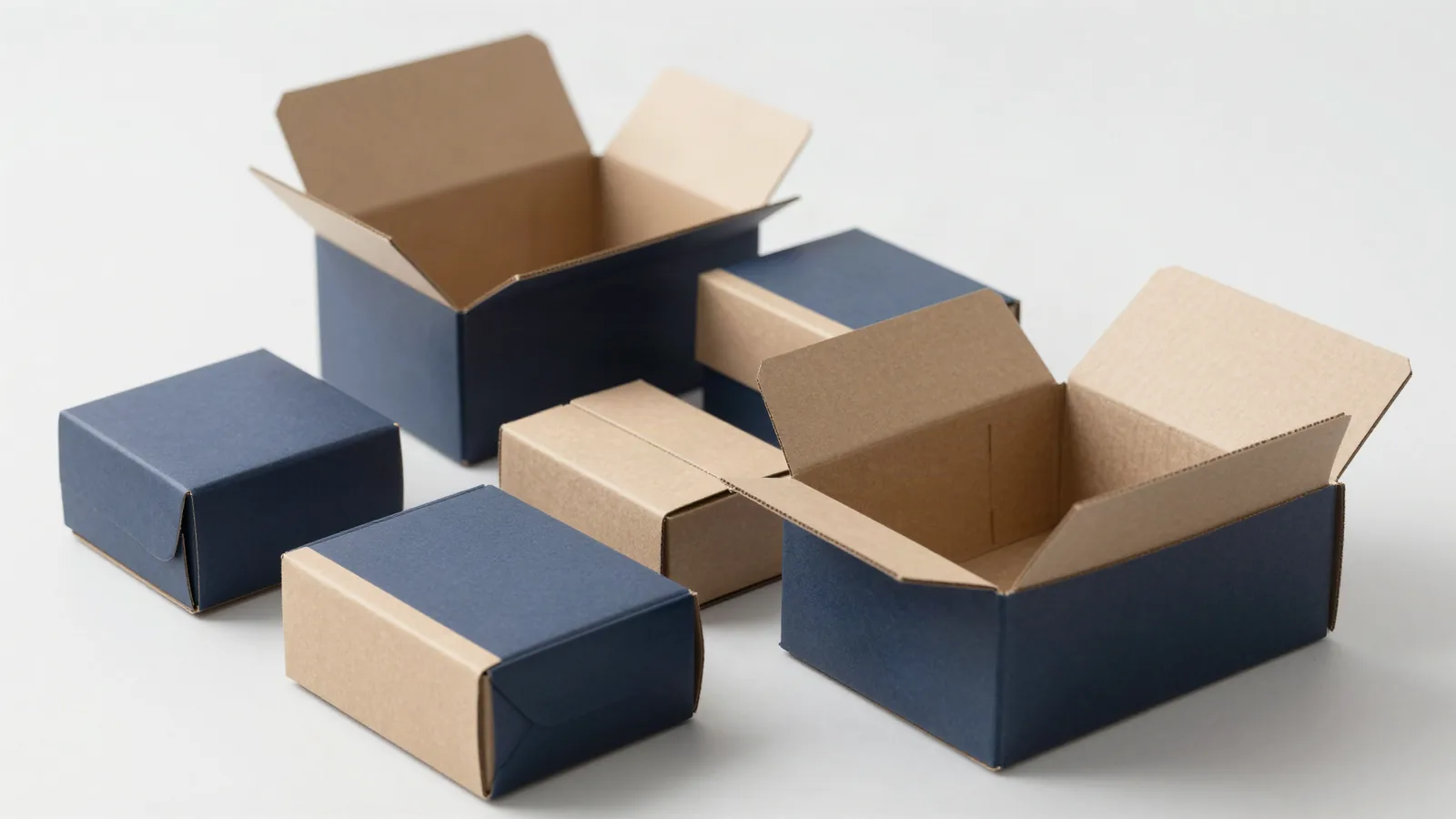
A folding carton and a corrugated mailer solve different jobs, even when both carry the same item.
| Packaging situation | Material reference | Structures to compare |
|---|---|---|
| Retail product with printed panels | SBS or C1S paperboard, 12 to 24 pt | Straight tuck end or reverse tuck end |
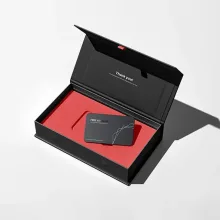
| Gift set or structured presentation | Rigid chipboard, 1.5 to 3 mm, wrapped in 100 to 157 gsm art paper | Two-piece rigid, drawer, or magnetic flap |
| Parcel or subscription shipment | Corrugated E, B, or C flute, with 32 ECT commonly discussed | Mailer, crash-lock, or roll end tuck top |
| Small item with visible product | Paperboard carton with PET window, 0.2 to 0.3 mm | Window carton, sleeve, or insert-led box |
Straight tuck end and reverse tuck end cartons suit folding-carton work. Auto-lock and crash-lock bottoms add base support during packing. A roll end tuck top mailer is a common parcel structure, and FEFCO 0427 is a common reference for that style. Custom tuck top mailer boxes are a useful reference when closure and outside dimensions need to be considered together.
How do board and flute choices change the quote?
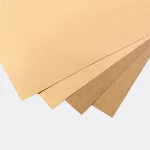
SBS, C1S, and C2S paperboard are commonly discussed in the 12 to 24 pt range, while kraft board commonly falls around 18 to 24 pt. Corrugated E, B, and C flutes differ in profile, rigidity, cushioning, and print surface. 32 ECT is a common strength reference, but box size, product weight, stacking, and distribution still decide the suitable grade. Rigid chipboard is commonly 1.5 to 3 mm wrapped in 100 to 157 gsm art paper, a construction used when the package needs a thicker, more structured hand feel. Custom woozy bottle boxes and custom vial boxes show why bottle clearance and cylindrical fit belong in the brief.
What artwork checks matter before proof approval?
A dieline is the flat cutting pattern that shows where a box is cut, creased, folded, and glued. Build artwork against that file, then check the assembled concept. About 1/16 inch, or 1.5 mm, is a common planning tolerance, but the actual product and insert decide the cavity. Keep type away from scores and glue tabs, leave bleed beyond cut lines, and protect barcode quiet zones. Offset CMYK is common for detailed paperboard graphics, digital printing is often considered for short runs, and flexo is common for corrugated surfaces.
Which Chicago product examples deserve their own fit notes?
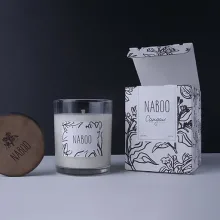
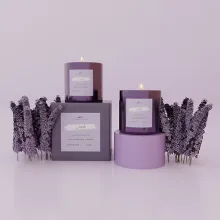
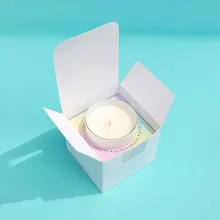
Product shape sets the risk in different places. Custom votive candle boxes need clear notes for cavity, orientation, and window placement. Custom veterinary medicine boxes need a defined copy hierarchy and product fit. need careful insert and artwork checks. Custom undergarment boxes need folded volume and opening space. The catalog gives structure references, not a substitute for the actual product dimensions.
What should the Chicago sales contact receive?
A comparable quote starts with the packed item and the delivery scope. Send dimensions, packed weight if known, quantity, structure, material, print coverage, finish, insert, window, artwork status, destination, and outer-carton requirements. If any surface will touch food, ask us about food-contact options. Child-resistant is a feature we can build, so describe the desired opening behavior without attaching a separate claim to the package.
How does CPL handle a Chicago box quote?
The final request should name the exact box, its fit, and its delivery role. Custom Packaging Lane quotes custom boxes from a 100-unit minimum, with pricing from $0.49 per unit at volume, quoted to spec. Production is typically 8 to 10 business days after proof approval, plus delivery. Free US shipping, free design support, and a free dieline are available. The $19.99 sample kit is credited toward the first order. Use wholesale custom packaging when the Chicago project needs a broader format comparison.
Frequently Asked Questions
Does Custom Packaging Lane serve custom bulk box orders in Chicago?
Custom Packaging Lane serves Chicago buyers from its West Chicago HQ and provides a local sales contact. Custom bulk boxes Chicago can mean folding cartons, mailers, inserts, or recurring packaging, so the buyer should define the product, dimensions, structure, material, artwork, finish, packout, and destination before comparing quotes.
Which corrugated flute is common for shipping boxes?
E, B, and C flutes are common corrugated options with different profiles, rigidity, cushioning, and print surfaces. 32 ECT is a common strength reference, but it does not select the grade by itself. Box size, product weight, stacking, distribution, and the outer carton should guide the final construction.
What does FEFCO 0427 describe?
FEFCO 0427 is a common reference for a roll end tuck top mailer style. The structure combines a folding body with a tuck-top closure, so the buyer should check product fit, opening force, insert clearance, outside dimensions, and the parcel path before approving the construction.
Can Chicago box projects use special finishes?
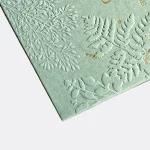
Chicago box projects can compare matte or gloss lamination, soft-touch, spot UV, foil stamping, embossing, debossing, and window patching when the board and structure support them. Keep finishes clear of folds, glue zones, barcodes, and small copy. The proof should show placement and the finished surface direction.
What information makes Chicago packaging quotes comparable?
Comparable Chicago packaging quotes need the same product dimensions, packed weight, quantity, structure, board, print coverage, finish, insert or window requirement, artwork status, destination, and outer-carton role. State length x width x depth and label inside versus outside measurements. That shared brief prevents a material or shipping assumption from hiding inside one price.