




























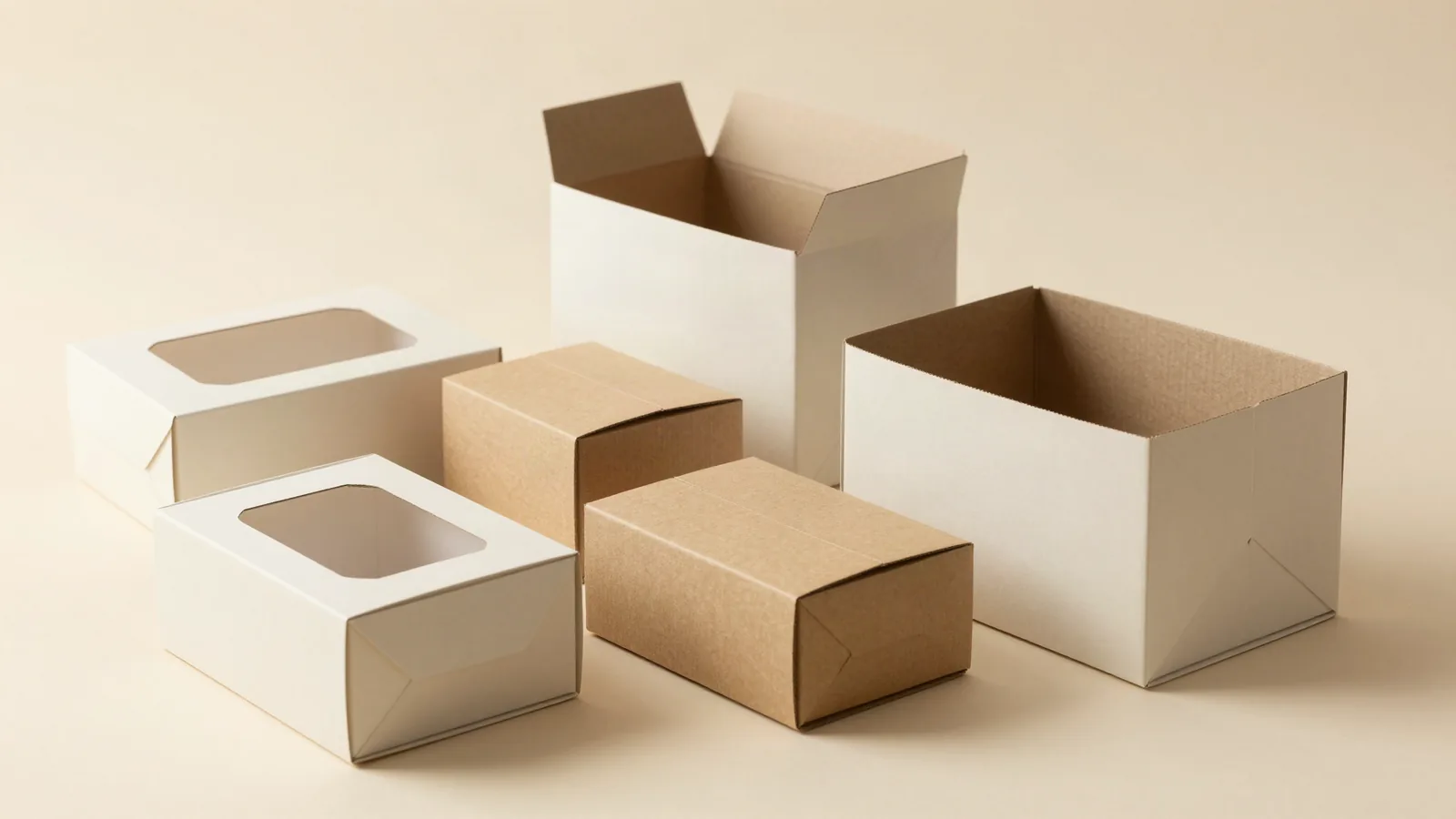




















































For a Los Angeles packaging buyer, local support means having a California contact who can keep the request tied to the product, structure, artwork, and delivery destination. Custom Packaging Lane is served from a West Chicago headquarters and a Fremont, California sales office. The custom packaging solutions hub is a useful starting point for the project brief.
What does local support mean for a Los Angeles buyer?
The Fremont sales office gives California buyers a local sales contact for organizing product details, artwork direction, structure questions, quantity, and delivery requirements. That contact supports the quote and proof conversation. The West Chicago headquarters remains part of the company identity. This page describes sales access, not where a specific package is produced.
Which packaging format should I discuss first?
Product shape should set the first format conversation. A taper candle has a different fit problem from a flat greeting card, and a small portioned product has a different panel requirement from either one. Compare custom taper candle packaging, custom stevia packaging, and custom greeting card packaging as real catalog references before choosing the structure to quote.
A folding carton, sleeve, mailer, tin, or rigid box also changes the opening sequence and the space around the product. State whether the package is for shelf presentation, parcel shipping, or both.
Which material references belong in the request?
Paperboard, rigid board, and corrugated board solve different fit and handling problems.
| Package direction | Typical industry reference | What to clarify |
|---|---|---|
| Folding carton | SBS, C1S, or C2S paperboard, 12 to 24 pt | Product fit, print coverage, folds, and closure. |
| Kraft carton | Kraft board, 18 to 24 pt | Whether the natural board tone remains visible under the artwork. |
| Rigid presentation | Chipboard, 1.5 to 3 mm, wrapped in 100 to 157 gsm art paper | Wrap direction, opening, and presentation format. |
| Corrugated shipper | E, B, or C flute, with 32 ECT as a common reference | Pack-out, outside size, closure, and delivery plan. |
These are general industry references, not a local production claim. The product, dimensions, artwork, structure, finish, and shipping scope still decide the practical material direction.
How should I prepare dimensions for the local contact?
Write dimensions as length x width x depth and label them inside or outside. About 1/16 in, or 1.5 mm, is a common tolerance reference for dimension discussions. Send the actual component or a dependable drawing when fit is sensitive. Include the opening direction, cap, base, handle, insert, and clearance that change the usable space.
Measure before artwork is finalized. Type set too close to a score, bleed left off the file, or a barcode placed across a fold can create a prepress correction after the structure is already set.
Which print and finish choices should I compare?
Offset CMYK is common for detailed paperboard artwork. Digital printing can suit short runs or an artwork test, while flexo printing is commonly used for corrugated surfaces. Matte or gloss lamination sets the surface sheen. Soft-touch, spot UV, foil stamping, embossing, and debossing can be limited to selected areas.
Tell the local contact whether the project needs a quiet matte surface, a high-contrast mark, or a tactile accent. RGB artwork can shift when converted for press, so the proof is the point to check color, copy, folds, and finish placement together.
What should I send before asking for a local quote?
The local contact needs enough physical and artwork information to frame one quote.
- Product name, component dimensions, and intended package format.
- Board, material, structure, and opening direction.
- Logo, artwork files, color references, and required information.
- Folds, seams, glue zones, windows, inserts, or special finishes.
- Planned quantity and California delivery destination.
- Whether the package is for presentation, shipping, or both.
How do I connect local support to the next packaging step?
Send the measured brief to the Fremont sales contact, then review the digital proof before printing. That review should settle product fit, folds, copy, color, barcode position, and finish placement in the same file.
Custom Packaging Lane quotes to spec from a 100-unit minimum. Pricing is from $0.49 per unit at volume, quoted to spec. Production is typically 8 to 10 business days after proof approval, plus delivery. Free US shipping, free design support, and a free dieline support the preparation stage. The $19.99 sample kit is credited to the first order. Send the brief to the Fremont sales contact with the California delivery details.
Frequently Asked Questions
Is the Fremont office a production site?
The Fremont location is identified as a California sales office, and Los Angeles buyers get a local sales contact there. The West Chicago headquarters is also part of the company identity. The local office supports the request, quote, and proof conversation. It does not establish where a particular package is produced.
What should a Los Angeles buyer discuss first?
A Los Angeles buyer should discuss the product shape, inside fit, opening direction, package role, and delivery destination first. A taper candle, greeting card, and portioned product create different structure and panel questions. Product dimensions give the local sales contact a usable starting point for the quote.
Do California buyers need different board references?
California buyers do not need a separate board reference simply because the request comes from California. Folding-carton projects commonly compare SBS, C1S, or C2S paperboard in the 12 to 24 pt range, while corrugated projects compare E, B, or C flute and may use 32 ECT as a reference.
What should I send with a dieline request?
Send the product dimensions, inside-fit reference, opening direction, component drawing, artwork files, color notes, finish map, and delivery destination with a dieline request. Mark folds, seams, glue zones, windows, inserts, and barcode areas. The digital proof should show the physical build and the artwork together.
Why check RGB artwork before proof approval?
RGB artwork can shift when it converts for press, so a Los Angeles packaging buyer should check color, copy, folds, and finish placement on the digital proof. A barcode across a fold, type too close to a score, or missing bleed can create a prepress correction before printing.












