




















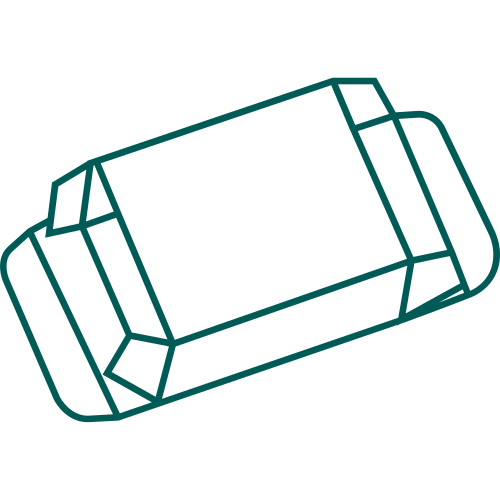





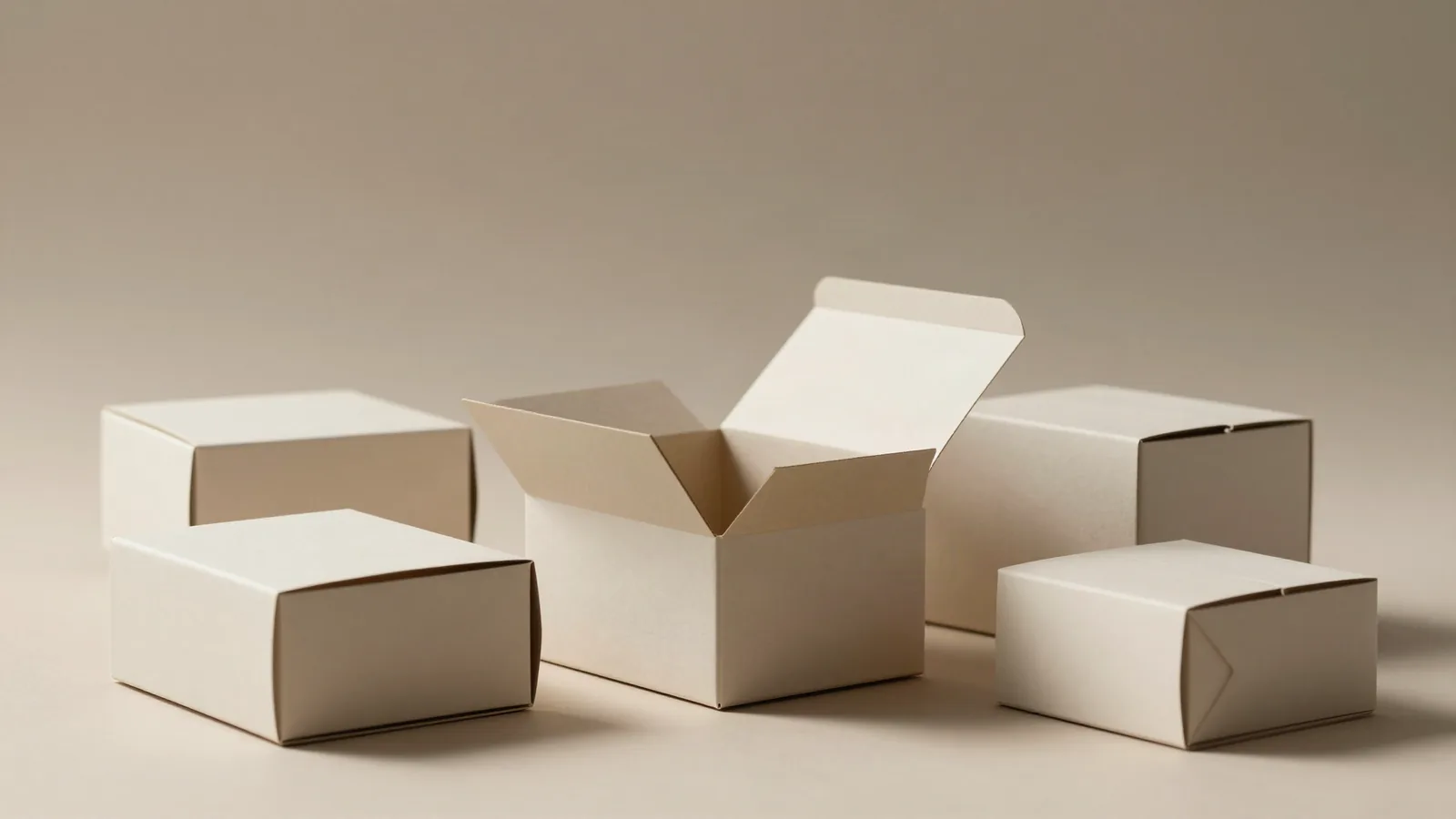



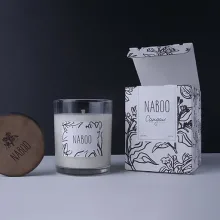

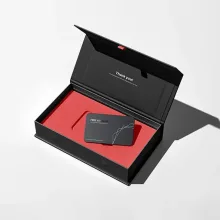
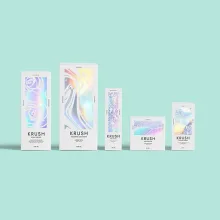
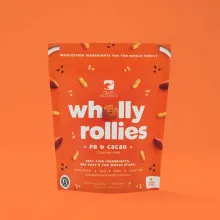
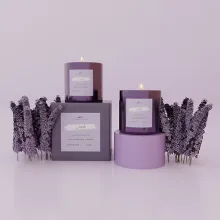
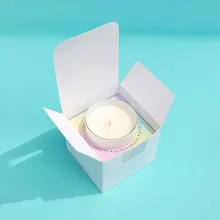
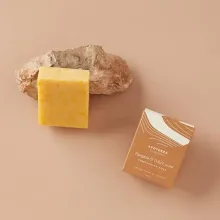


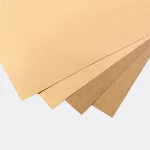

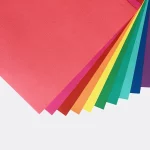


































Small custom runs are often for a product test, a seasonal launch, or a packaging change that should not leave a warehouse full of surplus. The brief still needs a real job description: what the package holds, how it opens, what it must protect, and where it will go. A dieline is the flat cutting template used to cut and fold the package. It is where fit, folds, glue tabs, scores, and artwork meet.
What is the smallest custom packaging order?
The starting quantity is 100 units, even for a product test. That gives a small brand a defined first quantity without turning the request into a one-off exception. Send the actual product or a reliable drawing before the structure is chosen. A custom tin package has a different closure and surface from paperboard. Custom taper candle packaging needs a clear plan for a tall item.
What changes the quote on a small packaging run?
Structure and material set the starting shape of a quote. Print coverage, finish, tooling, quantity, and shipping scope fill in the cost and packing details. State inside length, width, depth, opening motion, board or substrate, board direction, printed panels, and any insert or sleeve. Tooling and shipping scope should be named too. For flat paper goods, custom greeting card packaging gives a useful reference for fit and panel planning.
| Quote input | State this | It controls |
|---|---|---|
| Product fit | Product dimensions, clearance, and orientation | Inside size and support |
| Structure | Carton, sleeve, tin, insert, or requested format | Folds, seams, closure, and components |
| Artwork | Panels, print coverage, copy, and information areas | Safe placement and print scope |
| Finish | Lamination, soft-touch, spot UV, foil, embossing, or debossing | Surface and decorative treatment |
Which material should I compare for a first run?
Folding cartons commonly start with SBS, C1S, or C2S paperboard in a typical 12 to 24 pt range. SBS means solid bleached sulfate; C1S and C2S identify one-side and two-side coated board. Pt is a paperboard thickness unit, and board caliper is the measured thickness. Kraft board in a typical 18 to 24 pt range has a different surface and paper direction. Rigid presentation boxes commonly use chipboard in a typical 1.5 to 3 mm range, wrapped in 100 to 157 gsm art paper. GSM means grams per square meter. These are industry reference ranges, not CPL order data.
Which structure keeps a small package practical?
Opening direction is the first useful filter. Straight tuck end and reverse tuck end cartons fold and open differently. Auto-lock bottom and crash-lock structures change how the base forms during packing. A sleeve leaves the inner package available for an insert, while a drawer or slide adds a moving inner piece. A two-piece rigid box or magnetic flap changes presentation and assembly. Name the opening before the dieline is drawn.
How do I test artwork before ordering a larger run?
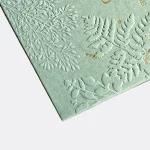
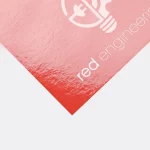
Digital printing is commonly considered for a short run or artwork test, while offset CMYK, the four-color process, is commonly used for detailed folding-carton artwork. We send a digital proof before anything prints. Check low-resolution art, RGB art that can shift when it is converted for press, bleed, barcode size, and type too close to a score. Matte or gloss lamination changes the surface, soft-touch changes feel, and spot UV, foil stamping, embossing, or debossing isolate selected details. Mark finish boundaries on the proof.
What should I measure before requesting a quote?
A fit review starts with the product in the way it will sit in the package. Write length x width x depth and label each value as product, inside, or outside. About 1/16 in, or 1.5 mm, is a common packaging tolerance reference. It is a starting point, not a substitute for checking board, folds, closure, and insert. If an insert is cut to the exact product size, confirm that the item can be placed and removed without rattling or binding. A physical sample can settle fit questions that a measurement leaves open.
What are the ordering terms for a small custom run?
The clock starts at proof approval, not when the request is sent. CPL quotes to spec, with pricing that may be from $0.49 per unit at volume. Production is typically 8 to 10 business days after proof approval, plus delivery. Free US shipping and free design support are available, including a free dieline. The $19.99 sample kit is credited toward the first order. Use custom packaging for small business and send the product dimensions with the request.
Frequently Asked Questions
Can a small brand test packaging before settling every detail?
A small brand can test packaging before every visual decision is settled. Bring the current product, the intended package job, and the choices that are fixed. The review can focus on fit, structure, artwork panels, and one finish direction. Mark anything likely to change before the proof, because a flexible brief is easier to revise than an assumed final specification.
What information makes a small-run quote useful?
A small-run custom packaging quote should identify the product, inside dimensions, structure, material, print coverage, finish, quantity, and destination. It should also say whether an insert, sleeve, closure, or special opening is included. Those details let a buyer compare the same construction, rather than two vague unit prices.
Is a carton or tin better for a first packaging test?
A carton is usually the simpler direction when the job needs folded panels, printed artwork, and a defined closure. A tin changes the container, surface, and lid discussion. The better test is the format that matches the product and handling job. Place the actual product in the review before choosing between them.
What should I check on the first custom packaging proof?
Check product fit, inside measurements, panel order, opening direction, glue areas, folds, required copy, barcode placement, and finish boundaries. Compare the flat dieline with the product or a dependable drawing. If the package includes an insert, confirm that the item sits securely and can be removed without forcing the package.
Can artwork change after the first packaging review?
Artwork can change after an initial packaging review, but mark changes before proof approval. Flag a moving logo, barcode, copy block, color treatment, or finish area. Keep the dieline as the reference for folds, seams, bleed, safe areas, and final panel order. That keeps a visual revision from becoming a structural surprise.