
















































































What does packaging owl need to mean for a buyer?
For a quote, packaging owl needs a product and a physical package. The phrase might describe an owl-themed carton, a package for an owl-related product, or a project name typed into a supplier search. Name the product first. Then state whether the owl appears as an illustration, silhouette, repeat pattern, window shape, or logo lockup.
Choose the visual cue before you choose a special cut. A broad front panel suits a detailed illustration. A die-cut edge can carry a silhouette, but it also changes the dieline and the usable reading area. Product copy, instructions, and barcode space still need room away from scores, glue tabs, and folds.
Which format gives an owl concept enough room to work?
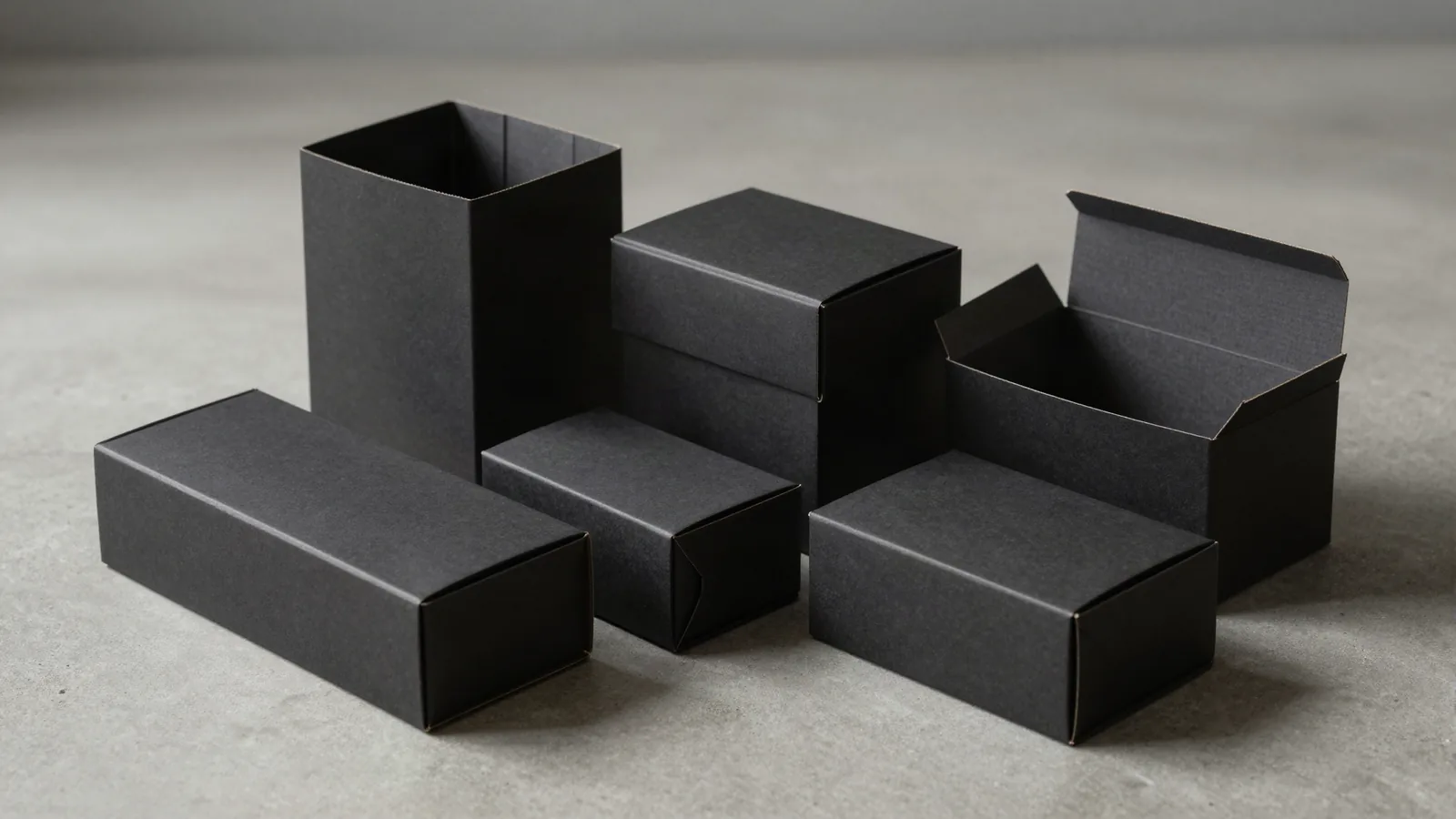
A folding carton gives an owl illustration the broadest flat printed panel, while a sleeve concentrates the mark around an inner pack. A window box makes the product part of the front composition. A stand-up pouch gives the graphic a flexible face. A rigid drawer or slide makes the opening sequence part of the presentation.
| Format | Branding opportunity | Practical check |
|---|---|---|
| Folding carton | Large printed panels for illustration and product information | Keep art clear of folds, glue, and tuck tabs |
| Window box | Visible product area becomes part of the front composition | Map the window around eyes, type, and barcode space |
| Sleeve | Printed wrap around a tray, box, or bottle | Measure the inner component and sleeve overlap together |
| Stand-up pouch | Bold front graphic with a resealable format | Keep the face, information, and logo away from seals and gussets |
| Rigid drawer or slide | Reveal sequence for gifting or presentation | Review pull access, friction, insert depth, and component order |
The structure has to match the handling path. A carton loaded by hand needs clear tuck or lock access. A sleeve needs enough overlap to stay aligned. A pouch has to keep the owl face clear of seals and gussets. A drawer needs measured insert depth and pull access, not just a good front panel.
Which materials fit an owl-themed package?
Paperboard is the usual starting point for an illustrated carton. SBS, C1S, and C2S board are commonly referenced in a 12 to 24 pt range. A point, written pt, is a board-thickness unit. Kraft board is commonly discussed around 18 to 24 pt. Rigid chipboard is commonly 1.5 to 3 mm, wrapped in approximately 100 to 157 gsm art paper.
Flexible formats use a different construction. Mylar or foil laminates may combine PET, AL, and PE layers. A PET window is commonly around 0.2 to 0.3 mm, subject to the structure. For textile or reusable packaging, non-woven polypropylene is commonly 80 to 120 gsm, and cotton canvas is commonly 8 to 12 oz. Product weight, closure, display orientation, and handling decide which reference is worth sampling.
How should owl artwork be printed and finished?
Offset CMYK is a common choice for detailed paperboard illustration. Digital printing can suit short runs or several artwork versions. Corrugated packaging commonly uses flexographic printing. Matte or gloss lamination changes reflectivity and the way a surface handles. Soft-touch changes the hand feel. Spot UV can isolate eyes, feathers, a logo, or a pattern. Foil stamping, embossing, and debossing add selected reflective or raised detail.
Prepress is where many attractive concepts fail. Low-resolution art stays soft. RGB art can shift when converted for press. Type set too close to a score can break when the panel folds. Missing bleed leaves an unprinted edge after trimming. Keep the owl mark on a clean panel, and let the digital proof show the finished panel order before anything prints.
What should the dieline show before printing?
A dieline is the flat cutting template a printer uses to print, score, and cut the package. It maps panels, scores, glue tabs, tuck flaps, windows, perforations, and the final fold sequence. Send the packed product dimensions, not only the product category. The outer shape and the usable art area come from that working template.
Check the insert against the actual product. An insert cut to the exact product size can hold it in place; an insert with too much clearance lets the product rattle. Review the opening path, glue areas, score placement, window position, and barcode space on the proof. If master-carton packing or pallet counts matter, put that requirement in the quote brief.
How should an owl mark stay readable on the finished package?
The focal mark needs contrast, breathing room, and a panel that survives rotation and partial shelf blockage. Do not place the eyes across a score or hide the logo under a sleeve overlap. A glossy spot UV or foil detail can catch light, but too much reflection can reduce small-type clarity. Read the package at handoff distance, then inspect it folded.
Keep functional information in a stable reading area. The owl can carry attention while the product name, instructions, barcode, and required copy stay easy to find. On a window box, map the clear area against the illustration before approving the cut. The visible product should support the concept, not cover the face or make the front feel crowded.
What belongs in a packaging owl quote?
A usable brief starts with packed length, width, depth, weight, quantity, loading direction, and display position. Add the chosen structure, closure, insert, window or perforation, material reference, print coverage, and finish. Mark any panel that must stay clear for product information.
Compare private label packaging for information hierarchy, perforated packaging for guided access, and shoe box packaging for a larger opening pattern. Use custom boxes with logo as the broader branded-box route.
Custom Packaging Lane is a US-based packaging supplier. Quotes use a 100-unit minimum, from $0.49 per unit at volume, quoted to spec. Production is typically 8 to 10 business days after proof approval, plus delivery. Free US shipping, free design support, and a free dieline are included. The $19.99 sample kit is credited to the first order.
Frequently Asked Questions
Is packaging owl a package style or a design brief?
Packaging owl can be a design direction rather than a fixed structure. The buyer should name the product and choose whether the owl appears as an illustration, silhouette, repeat pattern, window shape, or logo lockup. That choice affects the dieline, usable panel area, opening path, material reference, and proof review.
How do I keep an owl graphic clear after folding?
An owl graphic stays clearer when the face and fine lines sit on a flat panel away from scores, glue tabs, tuck flaps, and die-cut edges. Keep product copy and barcode space separate. A digital proof should show the folded panel order, so type or eyes do not land across a score.
What paperboard references work for an illustrated carton?
SBS, C1S, and C2S paperboard are commonly referenced in a 12 to 24 pt range for folding cartons. Kraft board is commonly discussed around 18 to 24 pt. Rigid chipboard is commonly 1.5 to 3 mm with approximately 100 to 157 gsm art paper. Product weight and closure still determine the specification.
Can a stand-up pouch carry an owl illustration?
A stand-up pouch can carry a bold owl illustration on its front panel, but seals and gussets reduce the usable art area. Keep the face, logo, product name, and required copy clear of those zones. Confirm the filled pouch shape, laminate construction, opening, and proof before finalizing the artwork.
What does a window change on an owl package?
A window turns the visible product area into part of the front composition. PET window film is commonly around 0.2 to 0.3 mm, subject to the structure. Map the window against the owl face, type, and barcode space. Check light exposure, adhesion, and the packed product before approving the cut.












