







































































Wholesale bags for boutiques are easier to manage when every size has one clear job. Folded apparel, boxed shoes, small accessories, and gift purchases load differently, so one bag shape rarely fits the whole counter. A gusset is the folded side or base panel that creates depth. Start with the merchandise, finished width and height, gusset, handle, and storage method before choosing a bag family.
Use the custom packaging for small business hub for the wider retail plan. Real catalog references include paper bags wholesale, retail paper bags, printed paper bags, and custom bags for business.
How can a boutique build a reusable bag assortment?
Folded apparel, boxed shoes, small accessories, and gift-led purchases create four separate loading jobs. Name each bag by finished width, height, and gusset or depth, then attach the merchandise group to that name. The record gives purchasing a clear reorder reference without rebuilding the entire bag brief.
| Merchandise group | Common bag direction | Specification to document |
|---|---|---|
| Folded apparel | Paper retail bag | Face width, gusset, base, and handle spacing. |
| Boxed shoes | Wider shopping bag | Base footprint, product orientation, and clearance. |
| Small accessories | Compact paper or kraft bag | Logo scale, opening, and storage footprint. |
| Gift-led purchases | Finished paper bag | Surface, handle comfort, and presentation detail. |
Which merchandise groups deserve separate bag formats?
A separate format earns its space when the product changes the loading or carrying job. Folded apparel needs a broad face and a moderate gusset. A shoe box needs a wider base and more height. Small accessories can use a compact paper or kraft bag, where logo scale becomes the main visual question. Gift purchases may need a different handle treatment or surface from routine counter bags.
How should a store make logo treatment consistent across sizes?
The artwork brief should set one primary display face, one logo safe area, a minimum mark size, and a repeat rule. Keep the hierarchy consistent, then redraw the mark for each usable panel because handles, gussets, seams, and base folds change the available area. A dieline is the flat cutting template for the bag, and it should show those boundaries before print files are finalized.
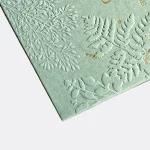
Offset CMYK is a common reference for detailed print on suitable paper surfaces. Digital printing may suit short runs or tests. Matte or gloss lamination changes reflectivity, soft-touch changes hand feel, and spot UV isolates a mark. Foil stamping, embossing, and debossing add separate artwork layers that need placement away from folds and handles.
Which material choices suit a boutique identity?
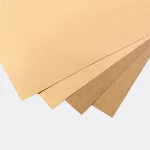
White paper gives a clean ground for brighter brand colors. Kraft paper keeps a natural tone and changes the apparent contrast of the logo. Coated and uncoated surfaces also change hand feel and ink behavior. If a boutique is considering a stand-up pouch-style product format, about 3 to 7.5 in is a common width reference. The filled product and closure still determine the practical size.
For related board packaging, SBS, C1S, and C2S paperboard are commonly discussed in the 12 to 24 pt range. Kraft board is commonly referenced around 18 to 24 pt. These are industry ranges, not fixed requirements for every retail bag. Match the bag construction to the merchandise and the way the bag will be carried.
How can purchasing document a repeat order?
Each reorder record should preserve the finished width, height, gusset or depth, merchandise group, artwork version, material, handle, base, print coverage, finish, quantity, and delivery destination. Mark every measurement as finished or inside. Keep the approved logo placement with the record, because a changed handle spacing or base fold can reduce the usable panel.
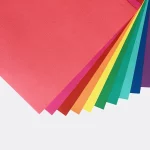
Use the sample kit to compare paper tone, surface feel, and finish references before choosing a bag family. Physical samples also let the team check storage and counter handling against the intended load.
What should a wholesale boutique request include?
A usable quote brief names the merchandise groups, bag family, finished dimensions, paper or film preference, handle and base details, logo files, print coverage, finish, quantity, and delivery destination. If a bag may directly contact food products, ask us about food-contact options for your product. Custom Packaging Lane quotes from a 100-unit minimum, from $0.49 per unit at volume, quoted to spec. Production is typically 8 to 10 business days after proof approval, plus delivery. Free US shipping and free design support are available. The $19.99 sample kit is credited toward the first order, and a free dieline is included in the design support.
Frequently Asked Questions
How many bag formats does a boutique need?
A boutique needs enough bag formats to cover its distinct loading jobs, not a separate size for every product. Folded apparel, boxed shoes, small accessories, and gift purchases can require different widths, heights, bases, or gussets. Give each format a documented finished width, height, and gusset or depth so storage and reorders stay clear.
Does kraft or white paper make a better boutique bag?
A kraft boutique bag keeps a natural paper tone and changes how logo colors read. A white paper bag gives a cleaner ground for brighter or more controlled color. Coated and uncoated surfaces also change texture, ink behavior, and hand feel. Compare the actual paper with the merchandise and the intended carry experience before approving the bag family.
Where should the logo sit on different bag sizes?
A boutique logo system should define the primary face, safe area, minimum mark size, and repeat rule, then adapt to each bag's usable panel. Handles, gussets, seams, and base folds reduce that area. Approve every size against its own dieline, the flat cutting template that shows folds and boundaries, so the logo remains readable.
Which finish is practical for a retail bag?
A retail bag can use matte or gloss lamination, soft-touch, spot UV, foil stamping, embossing, or debossing when the paper surface and construction support the treatment. Lamination changes reflectivity, soft-touch changes feel, spot UV isolates detail, and the other effects add texture or contrast. Map the finish away from folds, handles, and glue areas.
What file details should go with a bag quote?
A boutique bag quote should include the merchandise group, bag family, finished width and height, gusset or depth, handle and base details, logo artwork, print coverage, surface, quantity, and delivery destination. Note whether the bag is stored flat, loaded at the counter, or handed over with a gift purchase. A physical sample and the project dieline resolve fit and geometry.