






































































What do buyers mean by custom soda cans?
Custom soda can packaging can mean a can-shaped printed presentation package, a printed box around cans, a carrier for multiple units, or branded secondary packaging around a beverage launch. Define the format first: actual container, secondary package, display package, or shipping package.
For a secondary package, the specification still needs a structure, material, cavity, closure, print process, finish, and packed outside size. A beverage package may also need a carrier, divider, or handle. Condensation, stacking, can orientation, and opening behavior belong in the brief before artwork is finalized.
Digital printing can suit artwork changes, seasonal editions, or shorter runs. Offset CMYK means cyan, magenta, yellow, and black printing, and it is commonly used for detailed folding-carton graphics. Flexo is commonly associated with corrugated packaging. Choose the process after the structure and print surface are clear.
Which package structure works around cans?
Unit count and handling decide the structure. A single can needs a different cavity and opening from a multi-can carrier.
| Need | Common structure | First specification check |
|---|---|---|
| Single branded presentation | Folding carton or sleeve | Can clearance, print panels, and closure |
| Multi-can retail pack | Auto-lock bottom, crash-lock, or carrier-style carton | Unit count, dividers, handle, and stacking |
| Shipping or subscription pack | Corrugated mailer, roll end tuck top, or FEFCO 0427 style | Flute, cushioning, closure, and parcel footprint |
| Beverage gift set | Two-piece rigid, drawer, or magnetic flap | Can arrangement, insert, lid fit, and reveal |
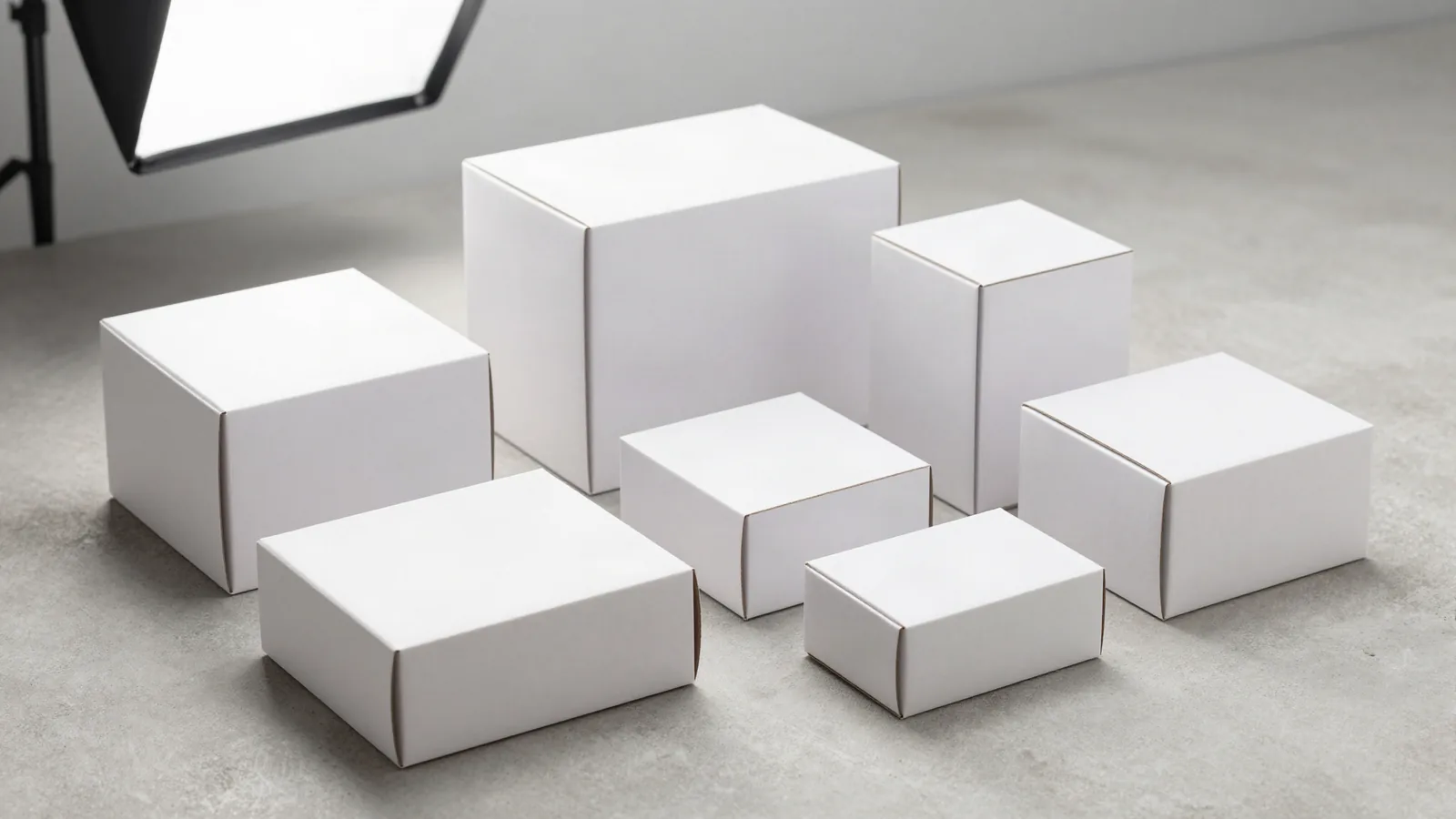
FEFCO 0427 is a common reference for a roll end tuck top mailer. Straight tuck end and reverse tuck end cartons suit lighter presentation formats. Auto-lock bottom and crash-lock structures support a stronger bottom assembly. A gift set can use a two-piece rigid, drawer, or magnetic flap for a separate lid, tray, or hinged reveal. A sleeve adds branding while leaving the primary container visible.
What materials and barriers should I discuss?
Folding cartons commonly use SBS or C1S paperboard in the 12 to 24 pt range. SBS means solid bleached sulfate paperboard, and pt means points, a board-thickness measure. Kraft board is commonly 18 to 24 pt when a natural surface is wanted.
Corrugated E, B, and C flutes have different profiles and cushioning behavior, with 32 ECT as a common strength reference. ECT means edge crush test. Rigid boxes commonly use 1.5 to 3 mm chipboard wrapped in 100 to 157 gsm art paper. GSM means grams per square meter, a paper-weight measure.
Moisture, condensation, and product contact are separate questions. Flexible packaging may use PET, aluminum, and PE laminate layers. PET is a plastic film, AL is aluminum, and PE is polyethylene. The layer names alone do not answer whether the package suits contact with the product. Ask us about food-contact options for your product. A child-resistant feature is a separate build discussion and should be specified for the exact package and market.
How should I plan dimensions and print artwork?
Start with the can diameter, height, unit count, orientation, clearance, divider needs, handle requirements, and packed configuration. State box dimensions as length by width by depth, using inside measurements when fit matters. About 1/16 in, or 1.5 mm, is a common planning tolerance, subject to the final structure and material.
For US ground planning, carrier dimensional weight commonly uses L x W x H / 139. Artwork should follow the approved dieline, with bleed, safe areas, folds, glue zones, barcode quiet zones, openings, and handle cutouts marked for inspection. Matte or gloss lamination, soft-touch, spot UV, foil stamping, embossing, debossing, and window patching should be assigned to named panels. Check RGB artwork after conversion for press color changes, and keep type clear of scores and openings.
Which related product formats can help define the brief?
If the project shifts to a bottle, compare custom woozy bottle boxes to see how bottle geometry changes clearance and insert needs. For a carry format, custom white paper bags give a different set of handle, gusset, and print-surface questions. custom votive candle boxes are another compact-fit reference, but the can dimensions still control the final package.
What should a custom soda can brief contain?
The quote brief should state the product or can dimensions, packed count, intended format, material, structure, print coverage, finish, divider or insert needs, artwork status, and destination. It should also say whether the package is can-shaped, a secondary box, a carrier, or a shipping carton.
Custom Packaging Lane quotes custom soda packaging from a 100-unit minimum, with pricing from $0.49 per unit at volume, quoted to spec. Production is typically 8 to 10 business days after proof approval, plus delivery. Free US shipping and free design support are available, and a free dieline is included in the setup. The $19.99 sample kit is credited toward the first order. Use custom packaging solutions to define the format and confirm product-contact questions in writing.
Frequently Asked Questions
What does a custom soda can package include?
A custom soda can package can mean a can-shaped presentation package, a printed box around cans, a multi-can carrier, or a shipping carton. The quote should name the exact format, unit count, can dimensions, dividers, closure, print process, finish, and destination. A vague format name is not enough to define the package.
What box style can hold multiple soda cans?
Auto-lock bottom, crash-lock, carrier-style, and corrugated mailer structures can be considered for multiple soda cans. The choice depends on unit count, orientation, dividers, handle needs, stacking, condensation, and shipping path. A roll end tuck top or FEFCO 0427 style mailer can combine parcel handling with a branded opening, but the load path still needs checking.
How should I plan artwork for a can carrier or box?
Artwork for a can carrier or box should follow an approved dieline with bleed, safe areas, folds, glue zones, barcode quiet zones, openings, and handle cutouts. State can diameter, height, orientation, and clearance before final art. Inspect the proof for panel order, readability, and the points where a handle or opening interrupts the design.
What material questions matter for beverage packaging?
Beverage packaging should be reviewed for board caliper, corrugated flute, surface treatment, condensation, dividers, and whether the package is primary or secondary. SBS or C1S paperboard is commonly about 12 to 24 pt, while corrugated projects may use E, B, or C flutes. Ask us about food-contact options for your product rather than assuming suitability.
What information should a custom soda can brief contain?
A custom soda can brief should contain can dimensions, packed count, format, orientation, clearance, dividers, handle, material, structure, artwork, finish, destination, and any product-contact question. Those details let the quote distinguish a can-shaped package from a box, carrier, or shipping carton.