


























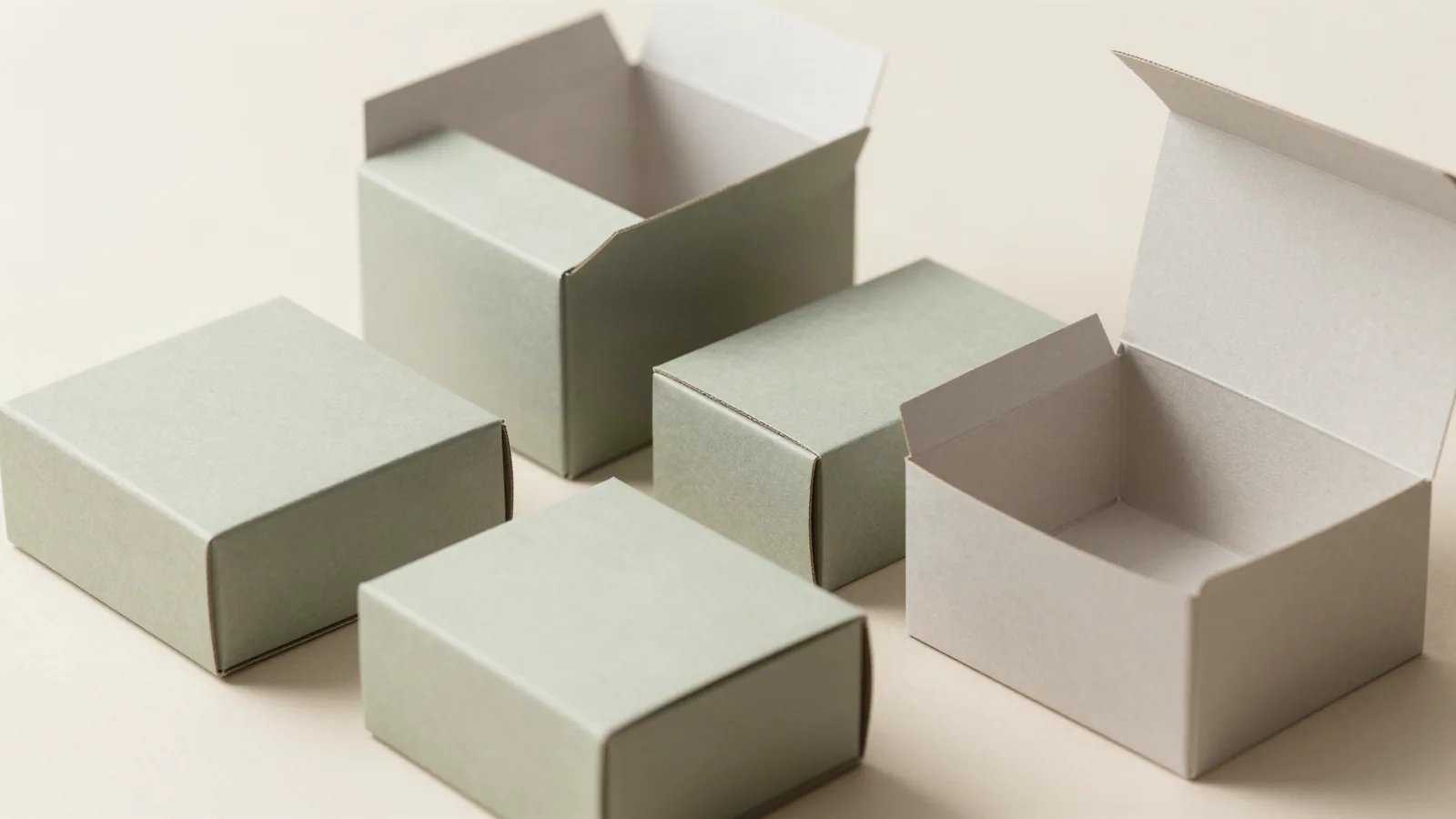



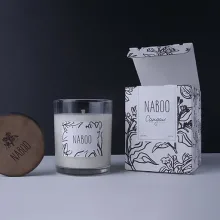






































An Ashtonne packaging search may give you a name before it gives you a box. A package brief is a short working specification for the item, filled dimensions, structure, artwork, and delivery use. Start there. A wine package, textile package, seed packet, or private-label carton may share a project label while requiring different constructions. The goal is a defined physical package, not a guessed backstory.
What does an Ashtonne packaging request need to identify?
A project name does not identify the package material, shape, or opening. Separate the name from the item being packed. Identify whether the format is a folding carton, kraft package, rigid box, corrugated shipper, bag, packet, or mailer. Record the filled orientation, whether the product is flexible or rigid, whether it needs an insert, and how it opens. Then state the desired shelf position, carrying method, or storage position. Those details give the dieline and proof a physical starting point.
Which board family fits the item and opening?
Board choice narrows quickly once the filled footprint and opening are known.
| Package direction | Common industry reference | Questions to settle |
|---|---|---|
| Folding carton | SBS, C1S, or C2S paperboard, 12 to 24 pt | Product fit, opening, print panels, and board stiffness |
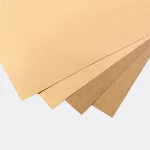
| Kraft format | Kraft board, 18 to 24 pt | Natural surface, handle or fold plan, and graphic contrast |
| Rigid presentation box | Chipboard 1.5 to 3 mm, wrapped in 100 to 157 gsm art paper | Base and lid, drawer, magnetic flap, and interior support |
| Corrugated shipper | E, B, or C flute, with 32 ECT as a common reference | Product movement, closure, stacking, and shipping use |
SBS, C1S, and C2S paperboard fit printed folding-carton discussions, while kraft board gives a different surface and fold character. A rigid chipboard structure adds a base, lid, drawer, or sleeve construction. Corrugated board belongs in the discussion when the package moves through handling or shipping. Choose the final construction after checking the filled product, dimensions, print coverage, and intended use.
Which structure matches the way the package opens?
A straight tuck end closes from the top, while a two-piece rigid box separates the lid from the base. Reverse tuck end cartons place the tuck panels in the opposite direction. An auto-lock bottom or crash-lock bottom changes base assembly. A drawer or slide creates a pull-out presentation. A mailer can use a roll end tuck top, with FEFCO 0427 as a common reference for parcel-oriented packaging. The opening sequence should be checked with the product orientation and interior support.
How should packaging for textiles and footwear differ?
Folded textiles need room to settle; shoes need a longer footprint and lid clearance. Textile packaging often needs a broad front panel, a fold-friendly opening, and enough space for the item to rest without excessive compression. A shoe package needs a clear orientation for a pair or individual item. Compare towel packaging, sock packaging, and shoe box packaging as catalog directions. They are references for format selection, not evidence that one unnamed project has a fixed construction.
How do specialty package formats change the brief?
A bottle, wax item, seed packet, or private-label line changes the interior and artwork plan. Wine packaging may prioritize bottle orientation and internal support. Wax packaging may call for a compact carton or presentation format. Seed packaging commonly points toward a small printed packet or envelope direction with a clear closure and fill area. Private-label packaging should separate the brand architecture from the physical package so the same identity can work across more than one structure. Compare wine box packaging, wax packaging, seed packaging, and private-label packaging as real catalog references.
What print and finish details need a proof?
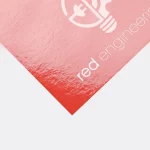
The proof should show finished panel order, score lines, glue flaps, and the exact position of copy. Offset CMYK is common for detailed board artwork, digital printing can suit short runs or changing versions, and flexo is common for corrugated surfaces. Low-resolution art softens small type. RGB art can shift when it is converted for press. Leave bleed outside the cut line, keep type away from scores, and mark matte, gloss, soft-touch, foil, embossing, or debossing on the correct panel.
What should an Ashtonne packaging brief contain?
A useful brief names the product, structure, artwork, and delivery context before the dieline is drawn.
- Product name, filled orientation, unit presentation, and opening sequence.
- Folding carton, kraft, rigid, corrugated, bag, packet, or another defined direction.
- Length, width, depth, and inside measurements where fit matters.
- Panels for offset CMYK, flexo, digital printing, or unprinted areas.
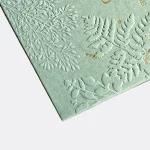
- Finish preferences such as matte, gloss, soft-touch, foil, embossing, or debossing.
- Quantity, delivery destination, insert needs, and any secondary package.
Custom Packaging Lane quotes this format from a 100-unit minimum, with pricing from $0.49 per unit at volume, quoted to spec. Production is typically 8 to 10 business days after proof approval, plus delivery. Free US shipping, free design support, and a free dieline are available. The $19.99 sample kit is credited to the first order. Use custom packaging design when the project name needs to become a clear structure and artwork plan.
Frequently Asked Questions
Does the Ashtonne name identify a fixed package?
The name Ashtonne packaging does not identify a fixed carton, bag, packet, mailer, or rigid box. Treat it as a project label until the product, filled orientation, opening sequence, measurements, board or film family, artwork, and delivery use are documented. That prevents a supplier from filling gaps with an assumed category or relationship.
What paperboard thickness is common for this type of brief?
Folding cartons commonly use SBS, C1S, or C2S paperboard in the 12 to 24 pt range. Kraft board is commonly 18 to 24 pt. A rigid presentation box may use 1.5 to 3 mm chipboard wrapped in 100 to 157 gsm art paper. Compare those references after the product footprint and opening are known.
How do I compare a mailer with a rigid box?
A mailer is usually compared by how it opens, closes, and moves through parcel handling. A rigid box separates a lid and base or uses a drawer, so it changes storage and assembly. Review the filled footprint, internal support, closure, outside dimensions, and sales channel before choosing between the two.
Which catalog formats can I use as references?
Catalog references can include private-label packaging, seed packaging, shoe box packaging, sock packaging, towel packaging, wax packaging, and wine box packaging. Each points to a different product or format question. Use the pages to name a direction, then replace the analogy with the actual item dimensions and opening sequence.
What artwork problems should a proof catch?
A packaging proof should catch low-resolution artwork, RGB color shifts after press conversion, type set too close to a score, missing bleed, and copy placed on the wrong panel. It should also show the opening direction and glue flaps. Review the flat template with the filled product before the package moves toward production.