













































































Custom shipping packaging has to account for the product, the way it is packed, and the carrier handoff. Packout means the exact arrangement of the product, insert, divider, wrap, and empty clearance inside the package. Start with that arrangement, then define the outer structure, board or film, print coverage, closure, and delivery destination. A folding carton, corrugated shipper, mailer, and protective insert do different jobs.
How do you plan custom shipping packaging around the packout?
The product's packed position sets the inside space, insert height, closure, and outer dimensions. State whether the product needs an insert, divider, sleeve, wrap, or empty clearance around it. Write the packing order and opening direction. Inside measurements are the starting point because board caliper, folds, closures, and protective components change the outside size. The custom shipping boxes page is a useful reference when the shipper itself is the main package.
Which structure should carry the carrier handoff?
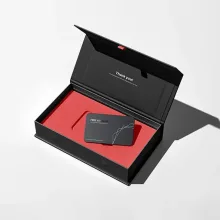
A mailer combines a shipper and presentation layer in one format. A roll end tuck top is a common mailer structure, and FEFCO 0427 is a common reference for that style. Folding cartons may use straight tuck end, reverse tuck end, auto-lock bottom, or crash-lock construction. The choice follows the packout, closure, stacking plan, and opening sequence.
Test the structure with the product inside. An empty sample can fold correctly while the real insert pushes against a flap or leaves the product hard to remove.
Which corrugated flute works for a shipper?
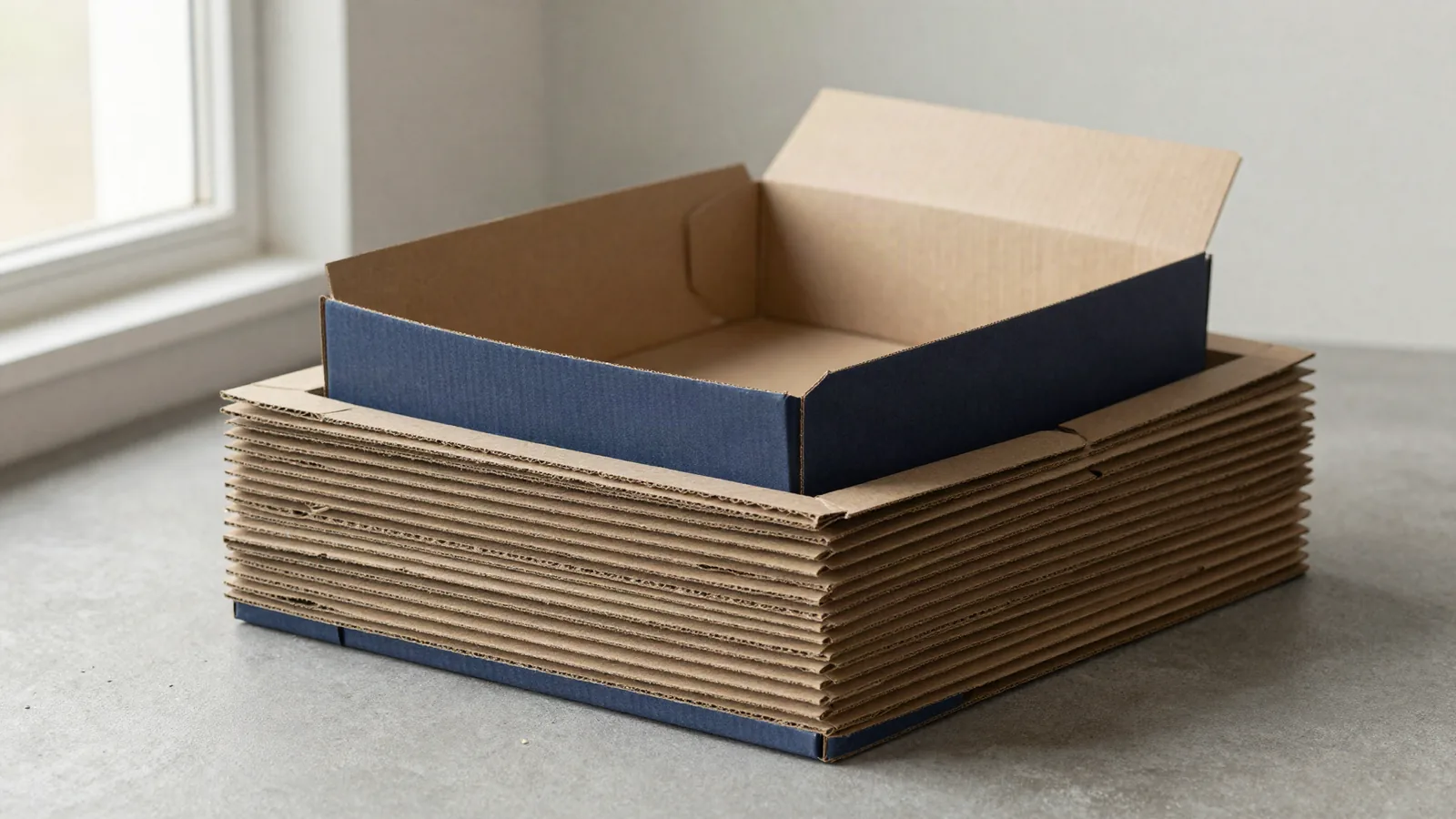
E flute has a fine profile, B flute has a thicker profile, and C flute has a larger profile. Those differences change board thickness, surface detail, folding behavior, and handling. Flexographic printing is commonly used for corrugated artwork when the exterior needs direct print.
| Shipping decision | Common industry reference | What to define |
|---|---|---|
| Corrugated profile | E, B, or C flute | Product size, packout, print surface, and handling context |
| Board strength reference | 32 ECT | The board specification requested for the shipper |
| Mailer construction | Roll end tuck top, FEFCO 0427 | Closure, opening direction, and interior clearance |
| Dimensional weight | L x W x H / 139 for US ground | Outer dimensions and delivery method |
What dimension belongs on a shipping quote?
Inside measurements settle product fit, while outside measurements settle packed size and carrier calculations. State length x width x depth and label each measurement as inside or outside. A common packaging convention allows about 1/16 in, or 1.5 mm, tolerance when discussing dimensions. The needed clearance depends on the product, closure, insert, and direction of entry.
Dimensional weight is commonly discussed as L x W x H / 139 for US ground, using the outer packed configuration. Treat that as a carrier calculation reference, not a quote by itself. An insert or divider can change the outside size even when the product dimensions stay the same.
How much printing belongs on a shipper?
The print plan can be full coverage, selected panels, a simple mark, or an unprinted outer structure with a printed carton inside. Offset CMYK is common for detailed paperboard artwork, while digital printing can suit short runs or a packaging test. Matte or gloss lamination and soft-touch may fit an inner presentation package. Compare custom tin packaging, custom scissor packaging, and custom printed macaron packaging boxes when the project needs a different balance of presentation and transit planning.
What should a shipping packaging assessment include?
A complete assessment names the contents and the way they sit inside the package.
- Provide product dimensions, weight information, and a clear packout description.
- State inside measurements, preferred structure, opening direction, and closure.
- Identify the board, flute, insert, divider, or surface direction to compare.
- Mark artwork coverage, seam areas, folds, glue zones, and finish requests.
- Share the delivery destination and the outer dimensions to compare.
- Explain whether the package is a presentation box, a shipper, or both.
What does a finished shipping brief look like?
A finished brief ties the product, packout, structure, board or flute, inside dimensions, closure, artwork coverage, finish, outer size, and destination to one construction. That gives the dieline and proof a clear job. It also exposes a missing insert, an unclear opening direction, or a carrier calculation based on the wrong measurement.
How do I request custom packaging for shipping?
A request is ready when the product, inside dimensions, packout, structure, board, artwork, finish, and destination are stated. Custom Packaging Lane quotes custom shipping packaging to a 100-unit minimum. Pricing is from $0.49 per unit at volume, quoted to spec. Production is typically 8 to 10 business days after proof approval, plus delivery. Free US shipping, free design support, and a free dieline support the preparation stage. The $19.99 sample kit is credited to the first order. Start with custom packaging solutions when the plan needs to cover packout through delivery.
Frequently Asked Questions
What does packout mean in shipping packaging?
Packout is the arrangement of the product, insert, divider, wrap, and empty clearance inside the package. It determines where the product sits, how the package closes, and how much outside space the finished shipper needs. Describe the packing order and removal path instead of naming only the box style.
Is FEFCO 0427 a mailer structure?
FEFCO 0427 is a common reference for a roll end tuck top mailer. The structure uses a shipping-style opening with tuck panels, so the proof should show closure, opening direction, product clearance, and insert position. Test the assembled mailer with the real packout because an empty sample cannot settle those points.
What does 32 ECT tell a buyer?
32 ECT is a common corrugated board strength reference, where ECT refers to edge crush test. It belongs in a board specification alongside flute, package size, and packout. It does not choose the shipper alone; the packed product, stacking plan, closure, and outside dimensions still need to be checked.
Can a shipper stay unprinted?
Yes. A shipper can use full coverage, selected panels, a simple mark, or no exterior print with a printed carton inside. The request should state the presentation goal, board or flute, print method, artwork coverage, and whether the outer structure or inner package carries the primary graphic.
Why does outer size affect dimensional weight?
Dimensional weight uses the outside packed length, width, and height, commonly discussed for US ground as L x W x H / 139. Inserts, dividers, folds, and closures can increase that outside size. Record the packed configuration separately from inside product dimensions so the carrier calculation uses the right package.