


























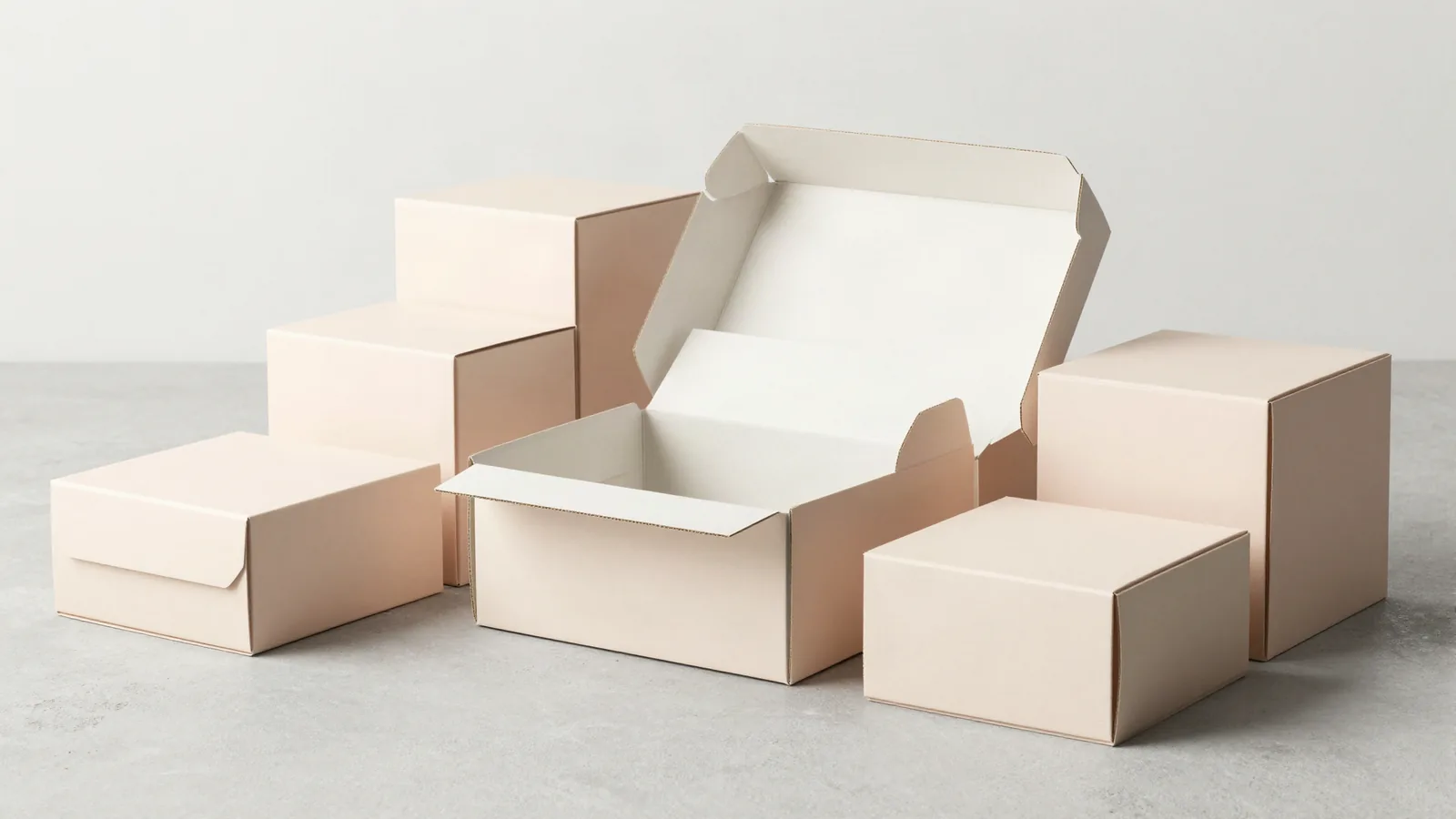



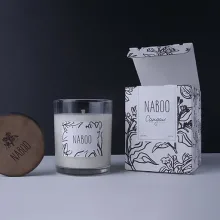

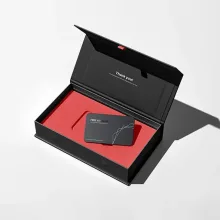
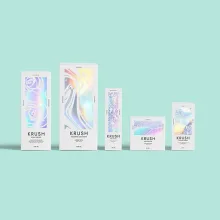
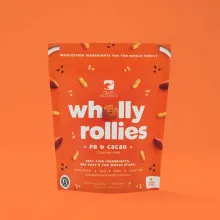

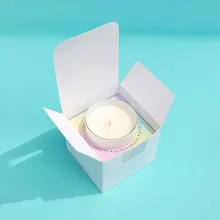






































Outsourcing custom packaging works when the handoff describes the package as a job with a product, dimensions, protection requirement, opening motion, artwork, finish, quantity, and destination. The buyer keeps the product requirements and proof decision. The dieline, the flat cutting template for cutting and folding the package, gives the buyer and packaging partner one structural reference for the work.
What belongs in an outsourced packaging handoff?
The first line should identify the product in its packing orientation. Add length, width, depth, clearance, preferred structure, closure, insert, print coverage, finish, quantity, and destination. Include a physical reference or dependable drawing when fit matters. Custom screw packaging can prompt questions about small parts and organized cavities. Custom scissor packaging makes the same handoff issue visible for a long or edged product.
Which checkpoints should an outside packaging partner receive?
Five handoff checkpoints keep an outsourced brief readable from the first request to proof approval.
| Checkpoint | Buyer supplies | Decision to check |
|---|---|---|
| Product fit | Item reference, length, width, depth, and clearance | Inside dimensions, orientation, and support |
| Structure | Opening, closure, insert, and shipping purpose | Carton, mailer, sleeve, rigid, or flexible format |
| Artwork | Logo, copy, panels, and print coverage | Print method, safe areas, and panel allocation |
| Finish | Surface and decorative treatment | Lamination, soft-touch, UV, foil, embossing, or debossing |
| Delivery | Quantity, destination, and packed configuration | Outer-package planning and shipping scope |
Which materials should I put in the request?
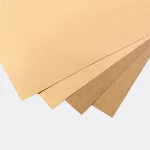
Folding-carton briefs commonly compare SBS, C1S, or C2S paperboard in a typical 12 to 24 pt range. SBS means solid bleached sulfate; C1S and C2S identify one-side and two-side coated board. Board caliper is its measured thickness. Kraft board in a typical 18 to 24 pt range changes the surface and paper direction. Flexible packaging may use mylar or foil laminates built from PET, AL, and PE layers. PET is polyester film, AL is aluminum, and PE is polyethylene. Reusable-style bag requests may involve non-woven polypropylene in a typical 80 to 120 gsm range. GSM means grams per square meter. These are industry material references, so the final choice follows the product, print, closure, and handling route. Name tooling and shipping scope in the quote.
Which structure terms prevent back-and-forth?
The structure name determines the folds, opening, closure, and assembly details in the handoff. Straight tuck end and reverse tuck end cartons have different fold and opening arrangements. Auto-lock bottom and crash-lock structures change how the base closes during packing. A mailer can use a roll end tuck top construction, commonly associated with the FEFCO 0427 convention. A sleeve, drawer or slide, two-piece rigid box, magnetic flap, gable, or pillow format describes a different set of folds, panels, and assembly steps.
How should print and finishing be split in the brief?
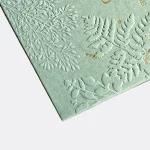
Print method describes how artwork is applied; finish describes what happens on the surface afterward. Offset CMYK, the four-color process, is commonly used for detailed paperboard artwork, digital printing can suit short runs or a controlled artwork test, and flexo is common for corrugated packaging. We send a digital proof before anything prints. Matte or gloss lamination changes the surface, soft-touch changes the tactile feel, and spot UV, foil stamping, embossing, or debossing affect selected areas. Mark treatment boundaries, keep type away from scores, glue zones, and seams, and leave bleed in the supplied art.
What shipping details does an outsourced quote need?
Carrier planning often uses the outer shipper dimensions, not the dimensions of the product box. Give the destination, packed quantity, carton count if known, and outer length, width, and height. For US ground planning, L x W x H / 139 is a common dimensional-weight convention. Treat it as a planning standard, not a promised charge. State whether units arrive flat, assembled, nested, or ready for a fulfillment workflow.
Which catalog pages help explain an unfamiliar package?
Real product references make a handoff easier to discuss. Custom drone packaging boxes can open a conversation about component protection, inserts, and large artwork panels. Custom tin packaging shows a different container and closure direction. Compare the references by fit, structure, surface, and delivery need. The actual product and requested construction still control the quote.
What commercial details should I attach to the brief?
The quote should keep commercial and structural details in the same request. CPL quotes to spec from a 100-unit minimum, with pricing that may be from $0.49 per unit at volume. Production is typically 8 to 10 business days after proof approval, plus delivery. Free US shipping and free design support are available, with a free dieline. The $19.99 sample kit is credited toward the first order. Send the completed handoff through wholesale custom packaging so the requested construction and delivery details stay together.
Frequently Asked Questions
What does an outsourced packaging brief need?
An outsourced packaging brief needs the product reference, labeled dimensions, clearance, structure, closure, insert, artwork coverage, finish, quantity, destination, and packed configuration. State which requirements are fixed and which are open for discussion. One written brief gives the outside packaging partner a clear basis for the quote, dieline, and proof.
How can I compare two packaging outsourcing proposals?
Compare the same product fit and quantity across both proposals, then check board or substrate, thickness, structure, print method, finish, tooling, delivery scope, and approval assumptions. Ask each proposal to name what is included. A lower-looking option can describe a different package when construction or finishing scope is left unstated.
Which print method fits a short packaging run?
Digital printing is commonly considered for a short run or an early artwork test. Offset CMYK is often used for detailed paperboard artwork, while flexo is common for corrugated packaging. The material, artwork coverage, structure, and quantity still determine which method fits the requested package.
Why do outer shipping dimensions belong in the outsource brief?
Outer shipping dimensions belong in the brief because the product package and the shipper can have different length, width, and height. Carrier planning may use the outside configuration. Include the destination, packed arrangement, carton count if known, and whether units ship flat, assembled, nested, or ready for fulfillment.
How do I keep approval control after outsourcing packaging?
Keep one current brief with labeled measurements, approved artwork, structure, finish, quantity, destination, and open decisions. Require the quote and dieline to refer to those same inputs. Before approval, check folds, closures, seams, artwork-safe areas, inserts, and treatment zones against the product and the intended packing and opening sequence.