


























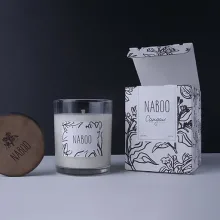

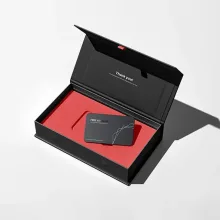
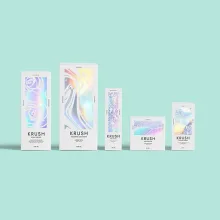
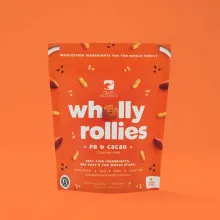




































Start with the filled container, not the logo. The opening, board, and front panel determine how the popcorn is scooped, seen, and carried. A dieline is the flat cutting template used to print and cut the container, and its scores, glue tabs, bleeds, and panel boundaries need to match the finished shape.
Tell us whether the container is for counter service, concessions, events, gifts, or promotional bundles. That detail changes the silhouette and where the hand lands. If a bag or beverage package will sit beside it, name that at the start so the formats share the same brand hierarchy.
For a clear route from serving idea to packaging brief, see custom packaging for small business.
What should custom popcorn containers do for the serving experience?
The front panel is read while the container is filled or handed over, so its opening and grip need to be settled before artwork. A counter carton can prioritize visibility and quick filling. An event container may need more room for a hand, a handle, or a second item beside the popcorn.
Map the customer movement on the brief: scoop or pour, carry, display, open, and discard. Those actions affect the top edge, side panel, bottom construction, and the amount of artwork that remains visible after filling.
Which container structure suits the way popcorn is served?
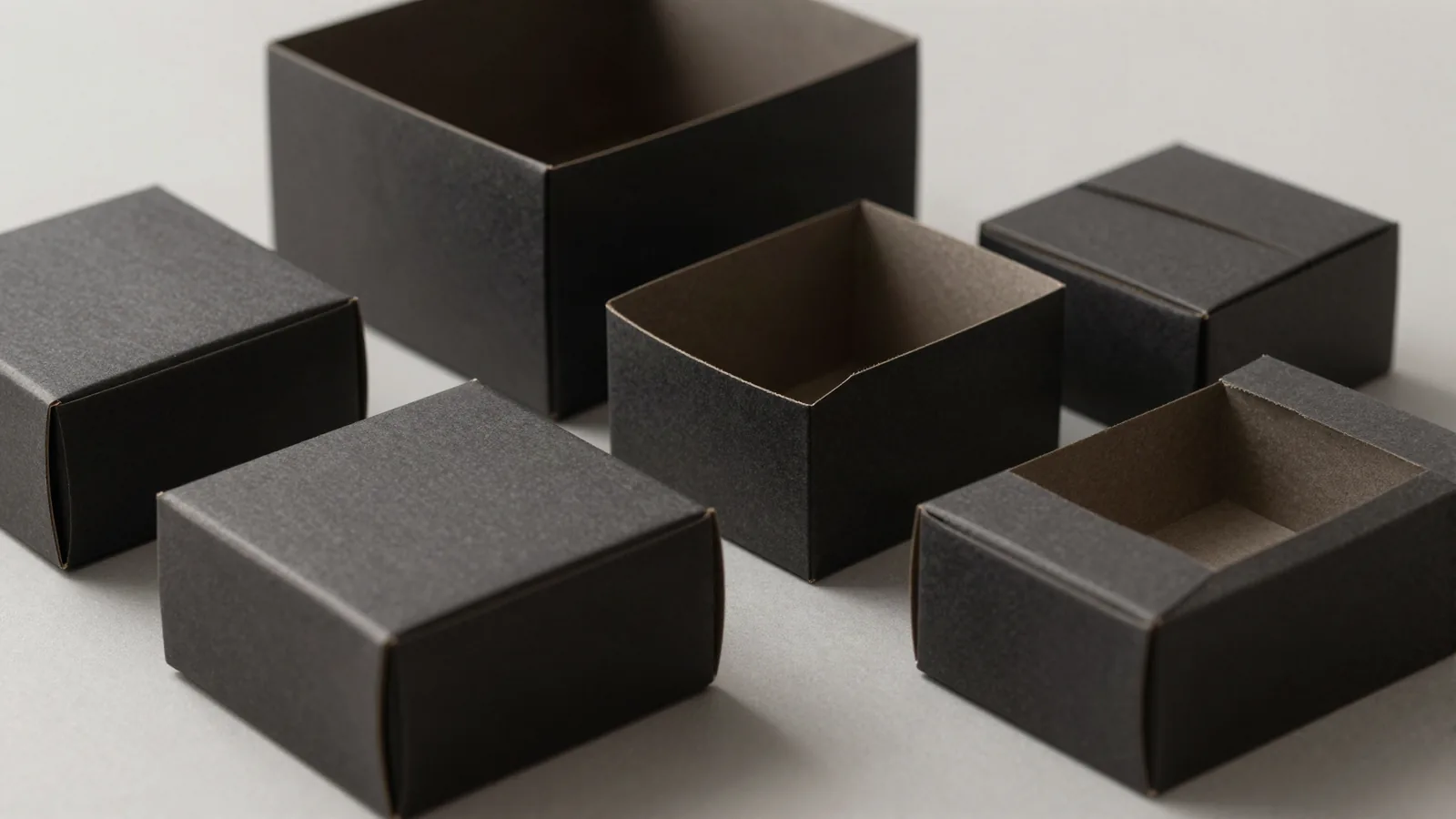
An open-top carton puts the popcorn in view, while a handled format changes the grip and carrying motion.
| Serving direction | Common structure | What to define |
|---|---|---|
| Open display at a counter | Open-top paperboard carton | Opening size, fill level, and front panel |
| Hand-carry event service | Gable or handled format | Grip, side panels, and carrying motion |
| Compact branded presentation | Pillow or sleeve structure | Silhouette, loading direction, and print area |
| Coordinated takeaway | Carton paired with a paper bag | Set layout, handle space, and brand hierarchy |
A pillow structure loads from a different direction than an open-top carton. A sleeve needs an inner bag or tray with a finished size that leaves enough room for assembly. If a handled format is used, keep the handle area clear of copy that must remain readable during carrying.
Which board and print method should I compare?
For a printed folding carton, 12 to 24 pt SBS, C1S, or C2S paperboard is a common industry range. SBS means solid bleached sulfate paperboard. C1S has a coated surface on one side, while C2S has coated surfaces on both sides. Kraft board at 18 to 24 pt creates a different paper appearance and tactile direction.
Offset CMYK is common for detailed paperboard graphics. Digital printing can suit short runs or artwork comparison. Flexo is common for corrugated companion packaging. Put large solid ink fields, small reversed type, barcodes, and fine lines on the proof so the front panel can be checked at its actual size.
How can the outside finish support the brand?
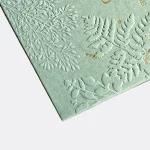
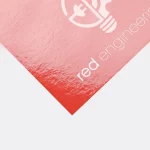
Matte lamination lowers sheen, while gloss lamination puts more light back at the surface. Soft-touch changes the feel of a panel. Spot UV can isolate a logo, pattern, or selected message. Foil stamping, embossing, and debossing create raised, recessed, or reflective details on suitable areas.
Keep the front panel readable from the serving position. Leave clear space around the opening, scores, glue areas, and handles. A finish map belongs on the dieline, because a decorative effect placed across a fold may not read the same way after the container is formed.
Do I need to ask about food-contact options?
If popcorn can touch the package, raise the material question before artwork is locked. Ask us about food-contact options for your product. Keep the intended use and contact point in the written brief, then identify the board, print coverage, coating, laminate, or liner under consideration.
This separates the visual decision from the product-contact question. It also gives the quote enough information to address the actual container rather than a generic paperboard format.
Which related product formats fit an event set?
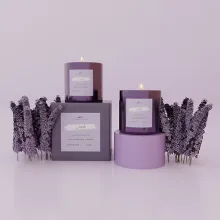
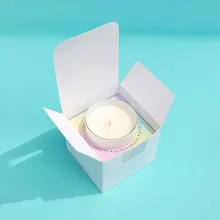
The direct reference is popcorn boxes. For a coordinated takeaway element, compare custom white paper bags. If the event bundle includes a beverage, custom woozy bottle boxes can frame the secondary package. For a favor-style item at the same event, custom votive candle boxes show how a compact branded format can be organized.
What should I include in a container request?
A usable request contains the filled dimensions and the way the customer handles the container.
- Serving format, opening style, carrying method, and product placement.
- Board family, print coverage, color direction, and finish priorities.
- Any food-contact question, liner requirement, bag, sleeve, or companion package.
- Front panel artwork, side-panel information, and the event or retail setting.
Custom Packaging Lane quotes from a 100-unit minimum, with pricing from $0.49 per unit at volume, quoted to spec. Production is typically 8 to 10 business days after proof approval, plus delivery. Free US shipping, free design support, and a free dieline are available. The $19.99 sample kit is credited to the first order.
Frequently Asked Questions
Is a popcorn box the same as a popcorn container?
A popcorn box is one type of popcorn container, usually an open-top paperboard carton with a visible front panel. Other containers can use a gable or handled format, a pillow structure, a sleeve, or a carton paired with a paper bag. Choose the structure from the filling motion, grip, display position, and finished product presentation.
What paperboard thickness is often used for printed popcorn containers?
Printed popcorn containers commonly use SBS, C1S, or C2S paperboard in the 12 to 24 pt range. Kraft board commonly falls around 18 to 24 pt. The board choice affects stiffness, surface appearance, folds, and print coverage, so compare it with the actual opening, filled profile, and carrying method rather than selecting thickness alone.
Can a liner change the popcorn container brief?
A liner can change the material and assembly discussion when popcorn or another item sits against an interior surface. Describe the contact point, filling sequence, board, coating, laminate, and liner direction in the request. Ask us about food-contact options for your product before the structure and finish are finalized.
Where should a logo sit on a filled popcorn container?
Place the main logo on the panel that faces the customer during serving, then use side panels for supporting information or pattern. Keep important copy away from the opening, scores, glue tabs, handles, and folds. Check the formed container after filling because the visible area changes once the popcorn pushes against the panels.
How should I compare a popcorn container sample?
Load the actual popcorn and check the opening, fill level, grip, front-panel visibility, and bottom behavior. Fold the structure as it will be used, then inspect the logo and small copy from the serving position. A sample that looks right flat can still hide artwork after the container is filled or carried.