










































A takeaway cup has to fit the service routine as well as the drink. The cup wall, rim, seam, lid relationship, stacking plan, artwork area, and outer packing all affect the finished format. Start with how staff fill, close, stack, hand over, and clear the cup. Custom coffee cups are a practical catalog starting point.
For cup work, a dieline is the flat template that shows the printable panel, seam, rim, base, folds, and openings before the format is assembled. A flat file can look right while a seam cuts through a letter on the finished cup.
What does a takeaway cup need to handle at the counter?
The service sequence decides the first specifications: fill, close, stack, hand over, and clear the used cup. Direct cup printing keeps the identity on the serving item, while a sleeve gives the design a separate visible panel.
For hot drinks, check hand contact, rim clearance, lid fit, and condensation on the outside. State the beverage type and ask about food-contact options for the planned use. The cup, lid, sleeve, and service routine should be discussed together.
Which cup and sleeve materials should I compare?
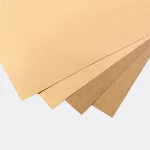
SBS, C1S, and C2S paperboard commonly fall in the 12 to 24 pt range. Kraft board commonly falls in the 18 to 24 pt range and changes the printed surface. Rigid chipboard commonly measures 1.5 to 3 mm and can be wrapped in 100 to 157 gsm art paper.
| Format | Common use | What to specify |
|---|---|---|
| Printed paper cup | Direct beverage service | Artwork panel, rim clearance, seam position, lid relationship |
| Double-wall cup | Hot-drink presentation | Outer graphics, hand-contact area, stacking, carton orientation |
| Paperboard sleeve | Secondary branding layer | Board caliper, fold lines, opening, finish, sleeve fit |
| Restaurant coffee cup | Counter and takeaway programs | Cup format, artwork coverage, packing method, service setting |
Those board references apply to sleeves, carriers, cartons, and other secondary components around the cup, not automatically to the cup itself. Board caliper affects sleeve fit, fold behavior, and the amount of room around the hand-contact area.
Which print and finish choices stay readable on a cup?
Offset CMYK suits detailed artwork on paperboard sleeves and carriers. Digital printing can suit a short run or an artwork test. Flexographic printing is common for corrugated outer packaging when a shipping case or carrier is part of the job.
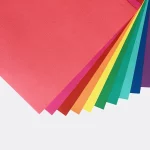
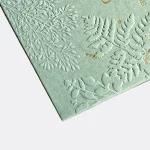
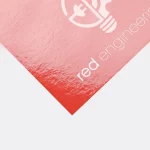
Matte or gloss lamination changes the surface response. Soft-touch, spot UV, foil stamping, embossing, and debossing need a compatible secondary surface. Keep fine copy away from folds, seams, rims, and areas hidden by the lid or sleeve. Check ink coverage and registration where a wraparound design meets the seam.
What should the artwork show before proof approval?
The artwork file should show the logo, color references, panel copy, placement notes, front, back, seam, rim, base, and every area covered by a lid or sleeve. Mark which panel faces the customer and which area the hand covers during service.
Check small text, wraparound patterns, and multiple cup versions on the assembled format. A physical check catches problems that the flat artwork misses, especially when the seam, rim, or lid hides part of the design.
How do custom coffee cup formats differ?
Restaurant coffee cups fit a brief driven by counter service and takeaway use. Double-wall coffee cups put more attention on hand contact and the outer graphics. The paper cups page frames a simpler paper format.
Compare visible artwork area, wall construction, lid relationship, stacking, and outer carton needs. The cup name alone does not show how it will behave once filled, closed, stacked, and handed over.
What belongs in a takeaway cup quote?
A useful request names the beverage type, service setting, cup wall, lid, sleeve, carrier, secondary component, artwork, brand colors, panel priorities, material, finish, stacking plan, outer packing, ship-to region, and any food-contact question. Mark copy that must stay clear of seams, folds, rims, or openings.
Custom Packaging Lane quotes from a 100-unit minimum, with pricing from $0.49 per unit at volume. Production is typically 8 to 10 business days after proof approval, plus delivery. Free US shipping and free design support are included, with a free dieline. The $19.99 sample kit is credited to the first order. Compare custom packaging solutions for a wider format brief, then request the sample kit.
Frequently Asked Questions
What is the difference between a single-wall cup and a double-wall cup?
A single-wall cup has one paper wall, while a double-wall cup adds a second paper layer around the outside. The added layer changes hand contact, outer graphics, stacking, and the relationship with the lid. Choose after the beverage use and service routine are clear, then check the assembled format rather than the flat artwork alone.
Should the branding go on the cup or on a sleeve?
Direct printing keeps the brand on the cup handed to the customer. A sleeve creates a separate paperboard panel for artwork or changing messages. Compare the seam, rim, hand-contact area, sleeve fit, lid coverage, and packing orientation so the important copy remains visible during service.
What should appear on a takeaway cup dieline?
A takeaway cup dieline should show the logo, color references, panel copy, placement notes, seam, rim, base, front and back panels, and areas covered by the lid or sleeve. Keep important text away from folds, seams, and openings. Check the assembled cup because a flat template can hide a seam crossing the artwork.
Can you help with beverage packaging that needs food-contact discussion?
Ask Custom Packaging Lane about food-contact options for the intended beverage use and describe what the cup will hold, how it will be served, and whether it uses a lid, sleeve, or carrier. The cup format, paper structure, lining, print coverage, and closure should be discussed together.
Which takeaway cup products should I compare?
Compare custom coffee cups, restaurant coffee cups, paper cups, and double-wall coffee cups by service setting, wall construction, visible artwork area, lid relationship, stacking plan, and outer carton needs. Product names alone do not show how the assembled cup will work at the counter, so include the intended beverage use in the request.