
















































































Personalized seed packets work when the buyer begins with the item inside, not a stock shape. A garden program, event, retail line, or business handout may need a flat fold, pillow format, tuck closure, or sleeve. Each choice changes the seam, opening, panel area, and fill motion. Put product dimensions and the copy supplied by the business into the first brief.
What makes a seed packet personal for a business?
The brand name and variety name are the first fields to lock, because the rest of the layout depends on them. Add the illustration, planting directions, contact details, crop or plant identification, and a consistent color system. Keep the front panel focused on recognition and the reverse panel organized for information. A dieline is the flat cutting template a printer uses to trim, score, and fold the packet. Map these content zones to the actual structure before artwork is approved.
Which structure fits a business handout?
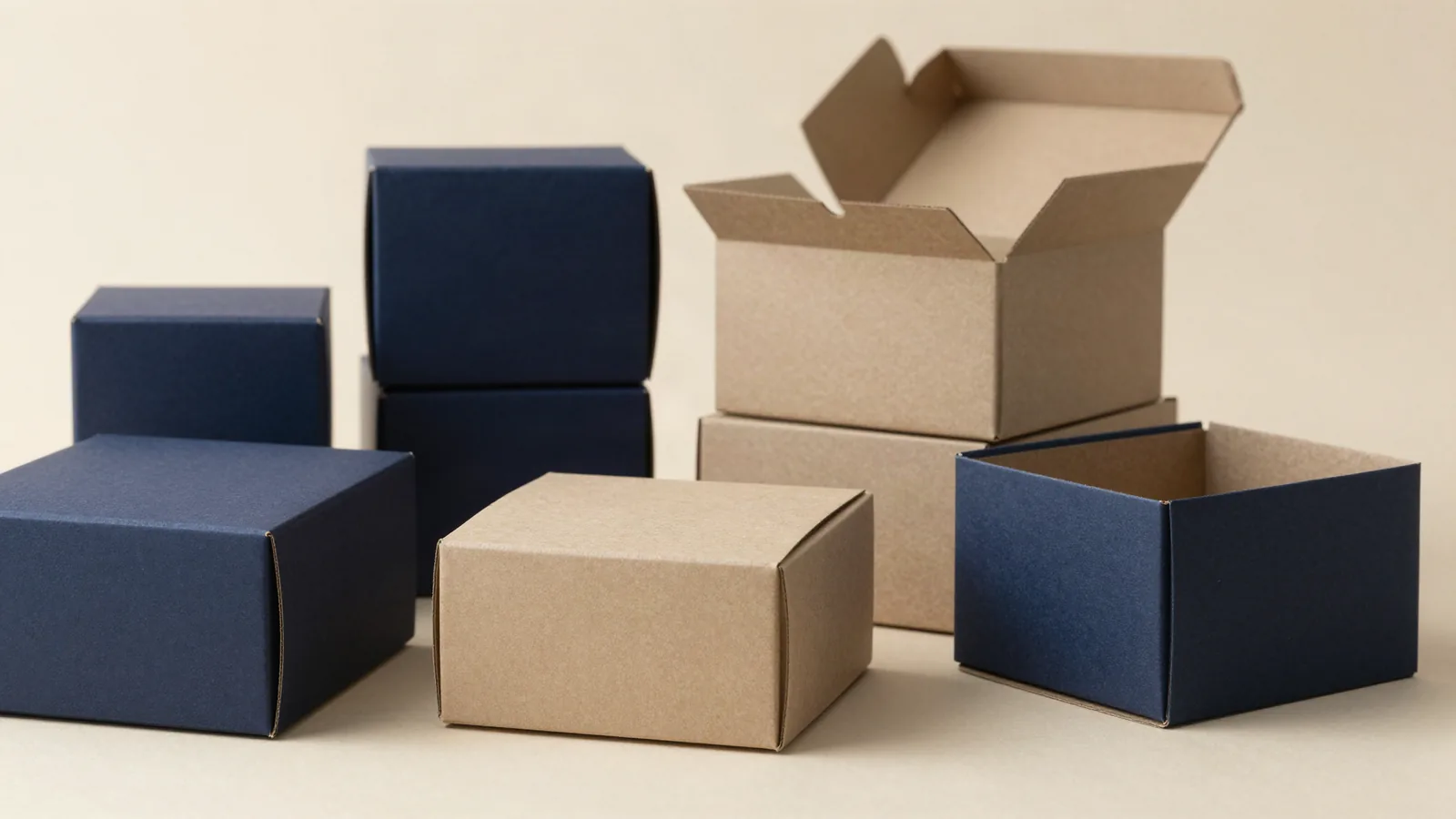
A flat folded packet is a straightforward reference when the packet is filled, folded, stored, and handed out. A pillow format creates a sealed flexible package with a different seam and panel relationship. A straight tuck end or sleeve gives a more carton-like presentation when the project needs defined panels and a closure. Compare opening, seam, folds, display orientation, and fill motion before choosing.
| Packet structure | Packaging reference | Planning focus |
|---|---|---|
| Flat folded packet | Paper or paperboard with front and reverse panels | Fill, fold, storage, and distribution |
| Pillow format | Flexible sealed structure | Seam, opening, and safe artwork area |
| Straight tuck end | Folding carton with a tuck closure | Defined panels and display orientation |
| Sleeve format | Outer paperboard wrap around an inner pack | Retention, pouch thickness, and sleeve length |
Which paperboard stocks are common for seed packets?
SBS, C1S, and C2S paperboard in the 12 to 24 pt range are common folding-carton references. Kraft board in the 18 to 24 pt range has a different base color and surface direction. Caliper is board thickness, and it changes stiffness, folds, edge feel, and how the packet holds its shape. These are general packaging references, not CPL order data. State whether the packet should be flexible, semi-structured, or carton-like before the dieline is developed.
How should packet artwork be prepared for print?
Offset CMYK is a common choice for detailed illustrations, multi-color panels, and small instructional copy. Digital printing can suit short runs or an early artwork direction. Matte or gloss lamination changes the surface. Soft-touch changes the tactile finish. Spot UV, foil stamping, embossing, and debossing can be marked as separate artwork layers when they fit the construction. Check low-resolution art and RGB files before proofing. Keep bleed beyond trim, and keep type away from folds, seams, and scores.
Should a personalized packet have a window?
PET window material in the 0.2 to 0.3 mm range is a common reference when the item should be visible. A window changes the panel layout, patch area, and finishing sequence. Keep it clear of folds, seams, glue areas, trim, and essential copy. If visibility is not needed, a closed printed surface gives the artwork more uninterrupted space and a simpler finishing plan.
How should seed packet dimensions be written?
Length x width on the flat packet gives the printer the initial size. Mark folds, seams, and the filled area beside it. If the design includes an outer carton, use length x width x depth and label each value as an inside or outside measurement. About 1/16 in, or 1.5 mm, is a common packaging tolerance reference. Confirm the applicable tolerance against the selected material and construction before the dieline is released.
Which catalog pages help compare packet formats?
The closest category reference is seed packaging. Compare custom white paper bags when the project needs a larger paper carry format. Check custom votive candle boxes when a small folding-carton structure helps frame panel order and finish placement. These references support the format discussion, but the seed product, artwork, and filled dimensions determine the final dieline.
What should a business send for a proof?
A proof packet needs the product reference and the final information hierarchy, not a logo alone. Send:
- the seed product reference and intended filled packet format;
- brand artwork, variety copy, planting instructions, contact details, and required information;
- preferred paper, board, finish, closure, seam, and window direction;
- finished size with flat, inside, and outside measurements labeled;
- the use case, whether packets are handed out, displayed, mailed, or placed inside another package.
How are custom seed packet orders scoped?
CPL quotes custom seed packet work to spec from a 100-unit minimum. Pricing is from $0.49 per unit at volume, quoted to spec. Production is typically 8 to 10 business days after proof approval, plus delivery. Free US shipping, free design support, and a free dieline support the preparation process. The $19.99 sample kit is credited to the first order. For a business distribution plan, request help through custom packaging for small business.
Frequently Asked Questions
How do personalized seed packets differ from plain packets?
Personalized seed packets carry business-supplied brand and variety information on a planned front and reverse layout. That can include a logo, variety name, illustration, planting directions, contact details, and a consistent color system. The packet structure still has to match the item inside, the fill method, the opening, and the available panel area.
Is a flat packet or pillow format better for handouts?
A flat folded packet is a straightforward handout reference when compact storage and simple distribution matter. A pillow format creates a flexible sealed shape with different seam and artwork behavior. Compare filling, opening, display orientation, product clearance, and the amount of readable panel space before selecting the structure.
What is a dieline in seed packet design?
A dieline is the flat cutting template a printer uses to print, trim, score, and fold the packet. It shows finished panels, folds, seams, glue areas, closure zones, and any window opening. The dieline should be based on the intended filled dimensions, because a flat sketch can hide fit problems.
How thick is a typical seed packet window?
PET window material in the 0.2 to 0.3 mm range is a common packaging reference for a seed packet window. The patch area must stay clear of folds, seams, glue zones, trim, and essential copy. Confirm the material and opening against the selected construction before the artwork is finalized.
What tolerance should a seed packet size brief mention?
About 1/16 in, or 1.5 mm, is a common packaging tolerance reference for a seed packet brief. Write whether dimensions are flat, inside, or outside measurements, and identify the material and construction. The applicable tolerance should be confirmed against the selected board, folds, seams, window, and closure.












