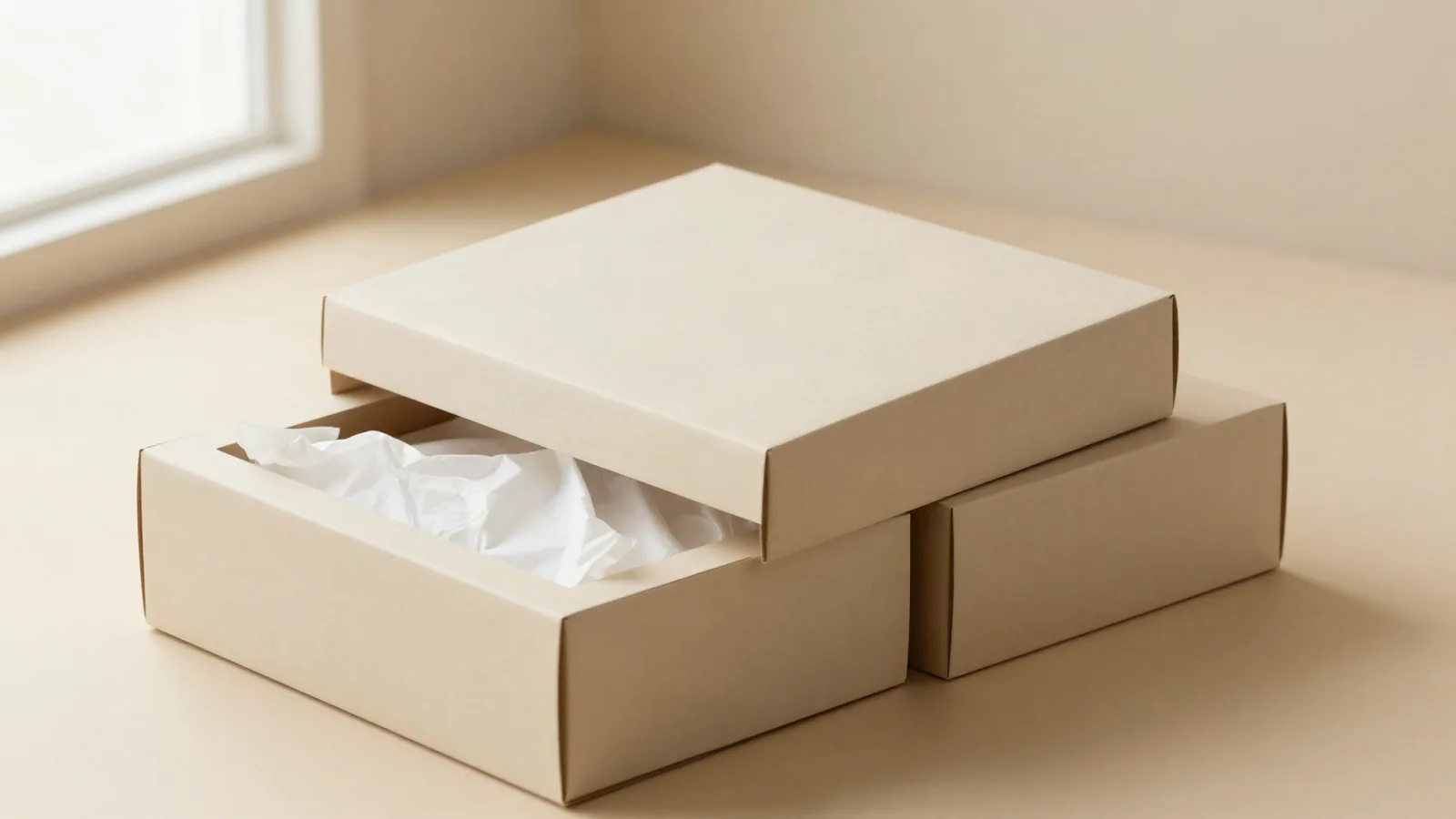



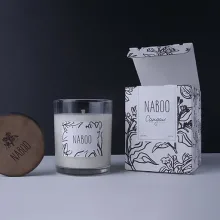
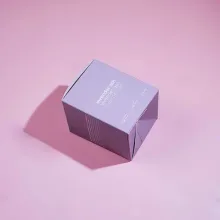
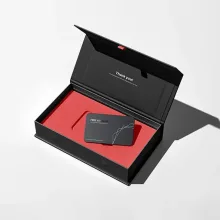
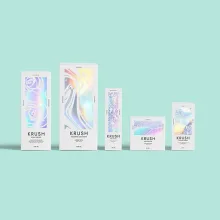
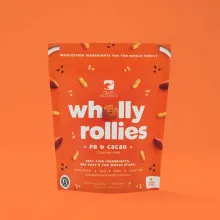
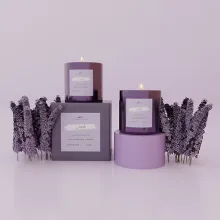
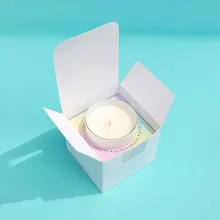
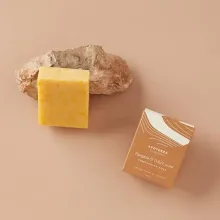


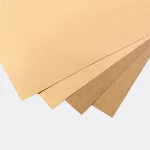

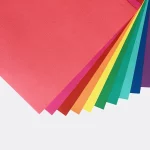


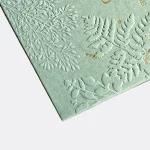

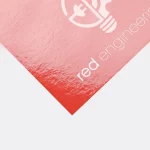






























Die cut packaging is packaging cut and scored from a planned pattern, so its outline, openings, folds, and closure match the product. A dieline is the flat cutting template that shows cut lines, score lines, glue tabs, panels, and windows before the sheet or film is converted. The shape has a job: it can expose a product, guide the opening, create a hang area, or make a display stand. Custom Packaging Lane can quote boxes, mailers, displays, and flexible formats to spec.
What is die cut packaging?
Die cut packaging uses a defined cutting and creasing pattern to turn a flat sheet or film into a shaped package. The pattern can create an irregular outline, a window, a thumb tab, a hang hole, a locking flap, or a display position. The product dimensions and opening path come first because the die line must fit the finished structure. Artwork follows the structure, not the other way around.
How does a die line become a usable package?
The process starts with the packed product and the way the customer will open it. The designer maps panels, folds, flaps, cutouts, glue areas, and any insert into the dieline. A flat proof should show the orientation clearly, while an assembled view should show how the cuts and folds behave in the finished package. Check the logo, product name, panel copy, cutouts, and opening before approval.
A logo that crosses a fold can split after assembly. A window removes print space from the panel around it. A glue tab that carries important copy may disappear inside the structure. Those details belong in the proof, where the flat artwork and physical package can be checked together.
| Format | Common die cut feature | What the buyer should check |
|---|---|---|
| Paperboard box | Panels, scores, locking flap, or window | Product fit, fold direction, and closure |
| Kraft box | Defined outline, cutout, or hang area | Natural board appearance and readable artwork |
| Flexible bag | Shaped top, contour, or opening feature | Film edge, seal position, and filled shape |
| Display structure | Stand, face panel, or product opening | Viewing angle, product position, and stability |
When does a window or cutout make sense?
A window makes sense when the buyer needs to see the product before opening the package. A cutout can guide access, create a thumb position, or establish a recognizable outline. The feature should have a clear job. Keep important copy away from the opening, and check the edge after folding because a shape that looks clean on the flat file can feel awkward when the package is assembled.
How do materials and finishes change die cut packaging?
Material sets the way the package cuts, folds, prints, and holds its shape. Paperboard folds into cartons. Corrugated board adds fluted structure for boxes and displays. Kraft gives the package a natural paper surface. Flexible film seals rather than folds into a rigid carton. Matte and gloss finishes change glare and surface feel, while foil and spot UV draw attention to selected areas. Keep any finish away from a score, glue tab, window, or cut edge unless the proof includes it there.
Digital printing puts artwork directly onto the sheet. Offset printing uses plates and becomes a consideration when the run, ink coverage, or color requirements justify the setup. The quote should identify the chosen material, print route, finish, and cut features instead of treating die cutting as the whole specification.
Which CPL product lines should you compare?
Custom die cut boxes are the broadest starting point for a shaped carton. Custom die cut kraft boxes frame a kraft board direction. Custom die cut soap boxes show how a product carton can use cut panels and openings. Die cut mylar bags cover a flexible format. Use the closest reference, then describe what must change for the actual product.
What should I send for a custom die cut packaging quote?
Send the packed product dimensions, product orientation, desired opening, quantity, preferred format, requested window or cutout, artwork status, panel copy, material, finish, and delivery destination. Explain whether the package will sit on a shelf, hang, ship, or display the product. If an insert is required, include its job and the clearance it needs. A useful brief describes the physical action before it asks for a special shape.
What are CPL's die cut packaging terms?
CPL uses a 100-unit MOQ. Pricing is from $0.49 per unit at volume, quoted to spec. Production is typically 8 to 10 business days after proof approval, plus delivery. Free US shipping and free design support are available. Use custom packaging design when structure and artwork need to be organized together. The $19.99 sample kit, credited toward the first order, gives the buyer a physical reference before approval.
Frequently Asked Questions
Does die cutting change the artwork file?
Die cutting changes the artwork layout because cut lines, score lines, glue tabs, windows, and folds occupy specific areas. Place artwork on the approved dieline, keep important copy away from structural lines, and check the flat file with the assembled view. The digital proof is the approval reference before production.
Can CPL make a die cut mailer?
CPL can discuss die cut mailers around the packed product, opening path, material, artwork, finish, quantity, and delivery destination. The quote should state whether the mailer needs a window, cutout, hang area, insert, or special closure. Free design support can organize the dieline before the proof is approved.
Will a window remove printed panel space?
A die cut window removes the material and print area inside its opening, so the surrounding panel must carry the remaining artwork. Keep product names and required copy away from the cut edge, then check the assembled package. The final window position belongs in the project-specific dieline and proof.
What is the MOQ for custom die cut packaging?
The MOQ for custom die cut packaging is 100 units. Pricing is from $0.49 per unit at volume, quoted to spec. The quote depends on the selected format, material, shape, artwork, finish, quantity, and delivery destination, so send those details with the first request.
How long does custom die cut packaging take?
Production for custom die cut packaging is typically 8 to 10 business days after proof approval, plus delivery. The proof comes first because the dieline, artwork, cutouts, folds, and opening need to match. Free US shipping and free design support are available, and the $19.99 sample kit is credited toward the first order.