










































































Eco friendly paper bags describe a buying direction, not a complete bag specification. A dieline is the flat template that shows the bag panels, folds, seams, handle area, and cut edges. Start with the product, filled shape, carry route, and storage method. Then choose the paper surface, bag body, gusset, handle, artwork, and finish around that use.
What does eco friendly mean in a paper bag quote?
A paper-based carrier does not identify the paper grade or the material attribute a buyer may want documented. A useful quote names the bag body, paper direction, handle treatment, print coverage, finish, quantity, and delivery scope. If a particular environmental attribute matters, name it and request the relevant documentation. Do not infer that attribute from the phrase eco friendly alone.
Which paper bag shape fits the carry job?
A gusseted bag creates more room across the side or base panels. A flat paper bag keeps the profile close to the contents. A handled shopping bag changes the carry motion and the reinforcement area. A lunch bag has a different opening and loading sequence from a retail carrier. A gable shape changes the top and handle arrangement.
| Bag direction | Common construction focus | Buyer checkpoint |
|---|---|---|
| Flat paper bag | Flat panels and a simple opening | Product width, fold lines, and closure or handle plan |
| Gusseted paper bag | Side or base expansion | Filled depth, base support, and artwork on gussets |
| Paper bag with handles | Handle attachment and reinforcement | Handle position, carry direction, and packed weight |
| Paper lunch bag | Top opening and compact filled shape | Loading sequence, fold, and closure method |
| Gable paper bag | Folded top with an integrated handle direction | Top clearance, carry angle, and panel alignment |
What paper grades should I compare with a paper bag?
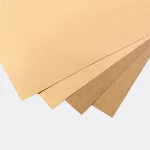
Caliper is the thickness of a sheet or board. SBS, C1S, or C2S paperboard in the 12 to 24 pt range is a common reference when a smoother printed component is part of the project. Kraft board in the 18 to 24 pt range gives a different surface and fiber appearance. Do not use either rigid board range as a substitute for the paper bag body specification.
Review the outside surface, inside surface, base, gusset, seam, and handle area as one job. A natural paper tone changes how ink appears. A coated paperboard component can show a different contrast from the bag body, even when the artwork file uses the same color values.
How do handles and gussets change the fit?
Handle drop and gusset depth change the carry angle before artwork is considered. State the flat width, filled width, height, gusset, opening, handle drop, handle attachment, and base direction. Show whether the logo faces the customer during carry and whether the side gussets repeat the design. Keep small type away from folds, seams, handle reinforcement, and the bottom area that may turn under during packing.
A filled bag is the real fit reference. Place the intended product or inner box inside a sample and check the bag shape, carry angle, opening access, and artwork position. If a box sits inside, provide its length x width x depth using inside measurements so the two packages are planned together.
Which print and finish choices suit a paper bag?
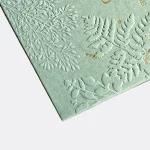
Offset CMYK suits detailed paper artwork, while digital printing is a practical comparison for short runs or changing versions. Matte or gloss lamination changes sheen and surface reflection. Soft-touch changes the tactile surface. Spot UV, foil stamping, embossing, and debossing can emphasize selected areas, but every effect should be mapped around folds, handles, gussets, seams, and glue areas.
Print coverage changes the production brief. A single front logo, artwork across both sides, and a repeating gusset pattern are separate requests. Review the artwork on the selected paper surface. Kraft, coated paperboard, and uncoated paper can make the same color values appear different.
What packed size matters for paper bag shipping?
The packed carton, not the empty bag, determines the outer shipping plan. Record the folded or nested pack size as well as the filled bag size. Nested means bags stacked inside one another before packing. For parcel planning, the common US ground dimensional-weight formula is L x W x H / 139. That formula is a carrier convention, not a quoted charge. State the packed carton, delivery location, and whether the bags arrive flat, nested, or assembled.
Which CPL products can I compare?
Four catalog pages cover the formats most relevant to this brief. Retail paper bags frame a counter or handoff application. Paper bags with handles focus the review on carry direction and reinforcement. Custom kraft paper bags provide a natural paper surface reference. Printed paper bags give another way to review artwork coverage. For a small business packaging workflow, see custom packaging for small business.
What should I send for a paper bag quote?
The request should describe the filled carry job before it describes the artwork. Send:
- The product, filled shape, packed weight, carry route, opening, and storage method.
- The flat width, filled width, gusset, height, handle drop, handle attachment, and base direction.
- The paper direction and any kraft or coated paperboard component.
- The logo placement, print coverage, folds, seams, gussets, handles, bleed, and finish areas.
- The quantity target, packed shipping format, delivery location, and artwork status.
How do I order eco friendly paper bags?
Custom Packaging Lane quotes eco friendly paper bags from a 100-unit minimum. Pricing is from $0.49 per unit at volume, quoted to spec. Production is typically 8 to 10 business days after proof approval, plus delivery. Free US shipping and free design support are available, with a free dieline for artwork setup. Custom Packaging Lane sends a digital proof before anything prints. The $19.99 sample kit is credited to the first order. Start with the filled product dimensions, paper direction, and carry method.
Frequently Asked Questions
What is a gusset on a paper bag?
A gusset is a folded side or base panel that gives a paper bag more filled width or depth. Gussets also create extra fold lines and artwork areas, so the logo and small type need placement checks. Review the filled bag, base support, handle position, and carry angle before approving the structure.
Can kraft and coated paperboard appear together?
Yes. A kraft paper bag and a coated paperboard component can appear in the same package, but they will not show color in the same way. Natural paper changes ink appearance, while coated paperboard gives a smoother print reference. Review both surfaces with the same artwork file before approving the color direction.
What should a handle attachment check include?
A handle attachment check should cover the handle position, reinforcement area, handle drop, packed weight, carry direction, top clearance, and panel artwork. Test the filled bag rather than an empty sample. The product changes the bag shape, and that shape can move the logo or change the carry angle.
How should I test the fit of a paper bag?
Test the paper bag with the intended product or inner box loaded. Check the filled width, gusset depth, base support, opening access, carry angle, handle position, and artwork alignment. If a box sits inside, use its inside length, width, and depth so the bag is planned around the real packed shape.
Does paper bag shipping use the filled or folded size?
Paper bag shipping uses the packed carton size for parcel planning, while the filled bag size controls product fit. Record whether bags arrive flat, nested, or assembled, then record the outer carton length, width, and height. The common US ground dimensional-weight formula is L x W x H / 139.