



































































What is a fish box?
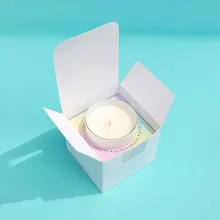
A fish box is a custom package sized around a seafood product, its handling context, and the way it will be presented. CPL's fish boxes page is the product starting point. A box brief still needs the product dimensions, material choice, opening, printed surfaces, and destination.
There is no universal stock size in this brief. The box should be drawn from the actual product and the selected construction. Give CPL the details that affect contact, wax exposure, handoff, or retail display before artwork is placed.
How do standard kraft and wax-resistant fish boxes differ?
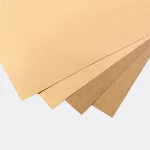
Standard kraft is a paper-based material direction with a natural surface, while wax-resistant stock is selected when the brief includes wax exposure. A wax-resistant surface limits wax from soaking into the paper as quickly as untreated kraft, but it does not answer every liquid, cold-storage, or food-contact question.
| Material direction | What it does | What the quote should record |
|---|---|---|
| Standard kraft | Provides a paper-based box direction and natural surface look | Product format, board, print, and handling |
| Wax-resistant | Addresses wax exposure in the supplied brief | Exposure details, structure, artwork, and use |
| Quoted to spec | Connects the material to the actual package | Dimensions, quantity, finish, and destination |
Where the package may touch seafood, ask us about food-contact options for your product. Put that question in the material brief before artwork and production details are finalized.
What should a fish box handle before the material is chosen?
Tell CPL whether the box may encounter wax, moisture, cold conditions, handoff, retail display, or another handling situation. Standard kraft is paper-based, so liquid exposure belongs in the brief. Wax-resistant stock addresses wax exposure, not every possible moisture condition.
Describe how the product enters the box and how the filled box will be moved. A flap that works for hand packing may need a different clearance from a box loaded quickly and placed inside a larger package. The quote should carry those details instead of leaving them to guesswork.
What should a fish box dieline show?
A dieline is the flat cutting template that maps the panels, scores, glue tabs, cut lines, and bleed area for the box. It should start with the actual product dimensions, then show the opening, loading direction, printed panels, and any insert or divider.
Keep important copy away from scores and cut edges. If the artwork arrives in RGB, check the converted color on the digital proof. That proof should show how the printed face sits on the assembled fish box, not only how the artwork looks as a flat file.
Can a fish box carry custom printing?
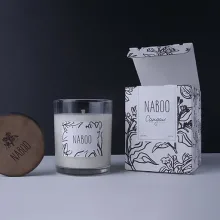
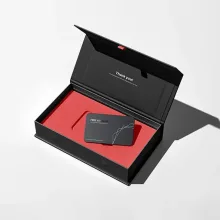
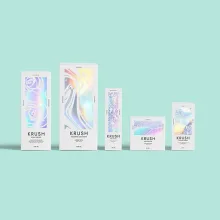
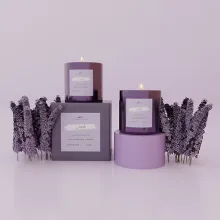
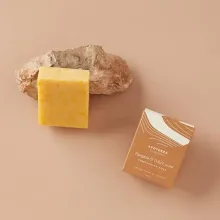
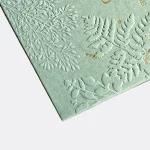
A fish box can carry custom printing on the selected panels, with color, texture, and finish chosen around the material and structure. Embossed tin boxes provide a tactile surface reference. Chocolate tin boxes show another food-related presentation format, while wine box packaging provides a reference for an organized outer structure.
Those catalog pages are comparison points, not seafood performance claims. Keep the fish box brief tied to the selected kraft or wax-resistant construction, product format, and handling context.
What does a fish box quote need?
A fish box quote needs the product format, dimensions, preferred material direction, opening, artwork, finish, quantity, destination, and intended use. State whether the box is for retail presentation, handoff, direct shipping, or another handling route.
The MOQ is 100 units. Pricing is from $0.49 per unit at volume, quoted to spec. Production is typically 8 to 10 business days after proof approval, plus delivery. Free US shipping and free design support are available. Use wholesale custom packaging for broader planning, and order the $19.99 sample kit to compare material and presentation directions before proof approval. Ask us about food-contact options for your product when relevant.
Frequently Asked Questions
Is a fish box the same as a seafood shipping carton?
A fish box can be a retail package, handoff box, or shipping-oriented format, but the structure depends on the product and handling route. CPL sizes fish boxes around the supplied product, material direction, opening, printed panels, and destination instead of applying one stock construction to every seafood order.
Should I choose standard kraft or wax-resistant stock?
Standard kraft gives a paper-based, natural surface direction. Wax-resistant stock addresses a brief with wax exposure by limiting wax absorption at the surface. Tell CPL about handling conditions before the material is quoted, because wax resistance does not answer every moisture or food-contact question.
Does wax-resistant mean food-contact approved?
Wax-resistant fish boxes are not described here as food-contact certified. If the package may touch seafood, ask us about food-contact options for your product before the material and artwork are finalized. The quote should record the intended contact and handling context for the selected construction.
What information is needed for a fish box quote?
A fish box quote needs the product format, dimensions, standard kraft or wax-resistant preference, opening, artwork, printed panels, finish, quantity, destination, and handling context. If food contact may occur, ask us about food-contact options for your product before the proof. Send the assembled product information so the dieline follows the actual package.
What MOQ, price, and production timing apply to fish boxes?
Custom fish boxes use a 100-unit MOQ. Pricing is from $0.49 per unit at volume, quoted to spec. Production is typically 8 to 10 business days after proof approval, plus delivery. Free US shipping, free design support, and a $19.99 sample kit are available.